I passed through Helsinki on my way to the Arctic, hoping to seethe northern lights. Since I visited in the middle of winter, it was no surprise that the weather didn’t exactly cooperate. While it was always above freezing, the cold wind and rain added a slight challenge to walking around the capital.
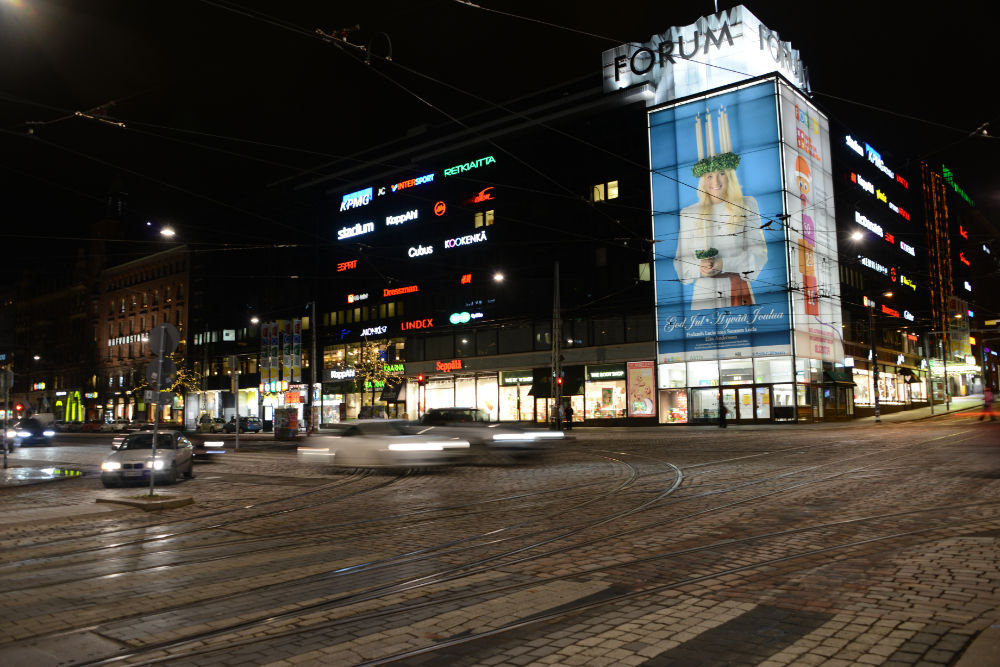
Helsinki felt distinctly northern European, but it had its own character compared with the other Scandinavian cities I visited on this trip. Much of the center was compact enough to explore on foot, with older buildings, trams and cobblestone streets mixed into a modern capital.
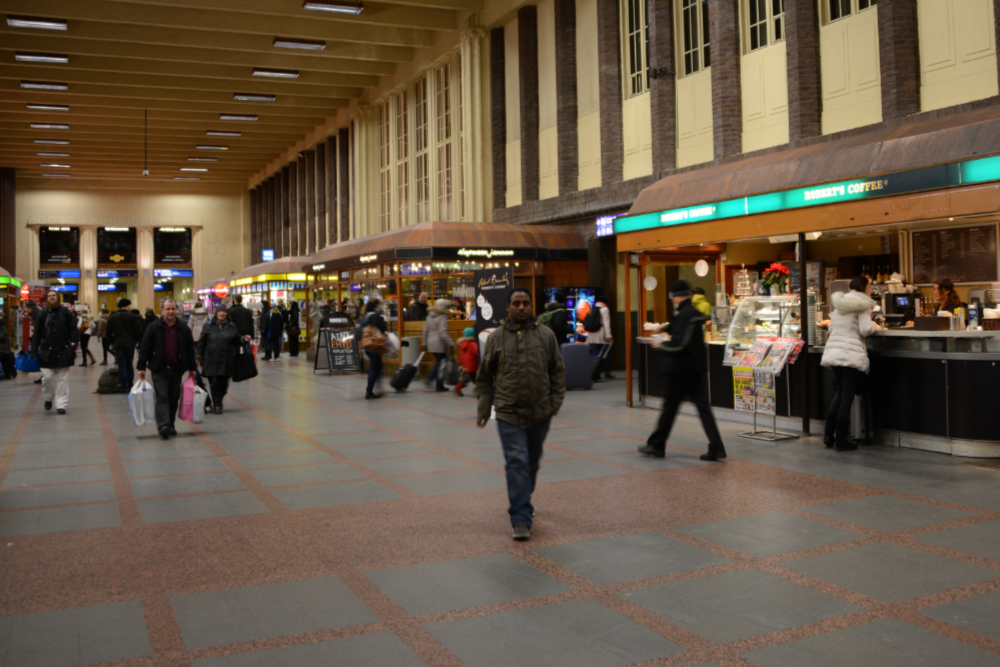
One of the most recognizable buildings in the center is Helsinki Central Railway Station. With its massive stone exterior and tower, it looks considerably more monumental than an ordinary train station and serves as one of the major transportation hubs for the city.
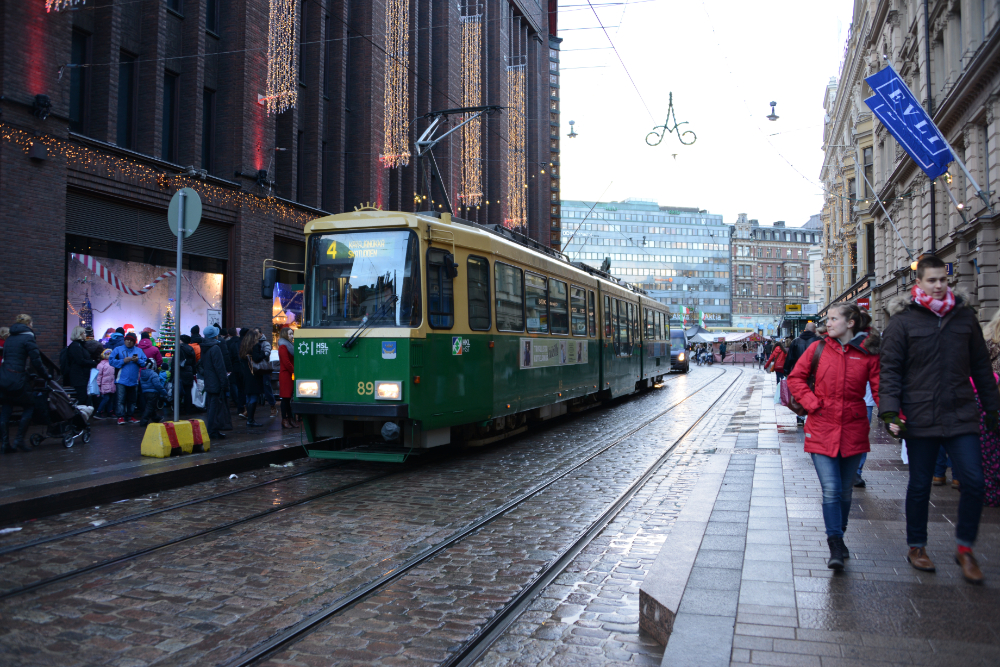
What I liked most about Helsinki were the trams and the streets themselves. The trams ran directly through the center of the city, passing rows of shops, restaurants and older buildings. They gave Helsinki a character that I liked immediately.
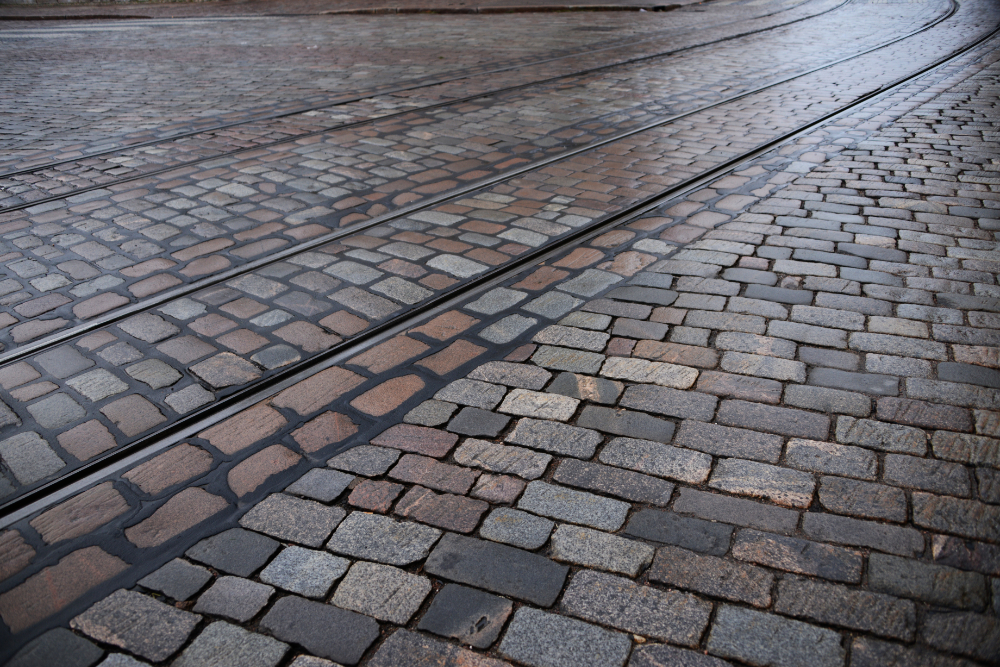
I spent much of my limited time simply walking around the center. Streets like this were lined with shops and restaurants, making Helsinki easy to explore without having a particular destination in mind.
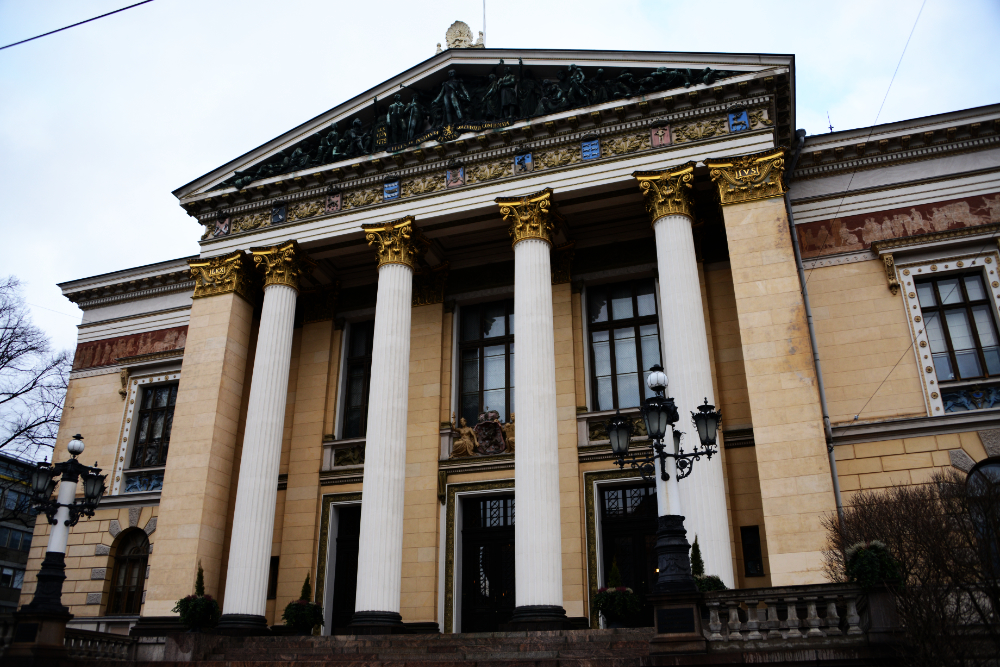
The architecture varied considerably as I walked around. Helsinki isn’t an overwhelmingly old-looking city, but historic stone buildings remain mixed throughout the modern center and give different parts of the city their own appearance.
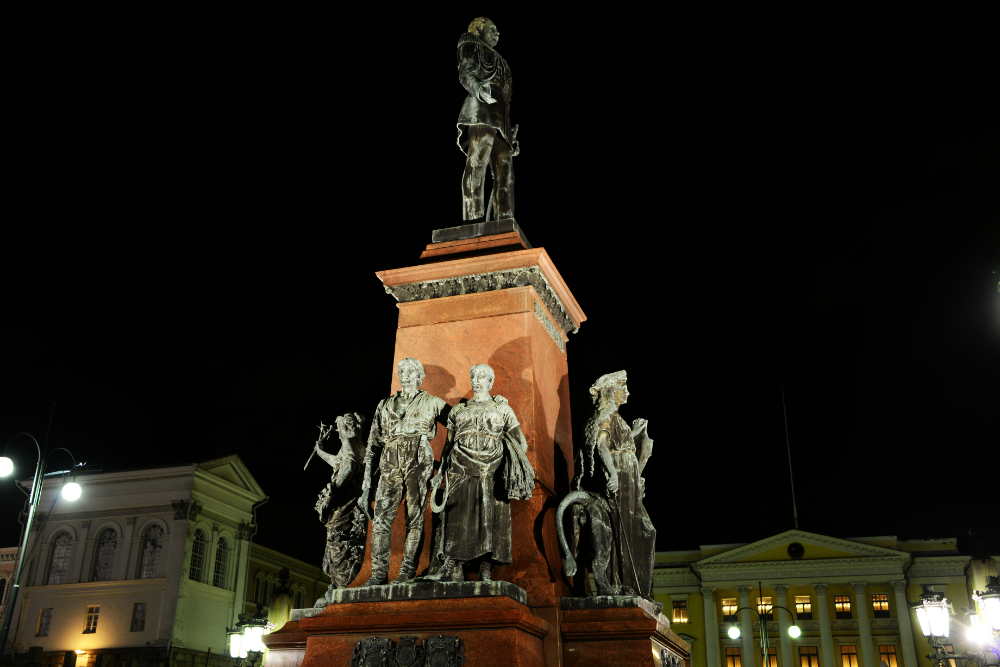
Public squares, statues and monuments were scattered throughout the center, and despite the weather I found Helsinki pleasant to walk around. Unfortunately, the conditions became progressively worse as the day went on.
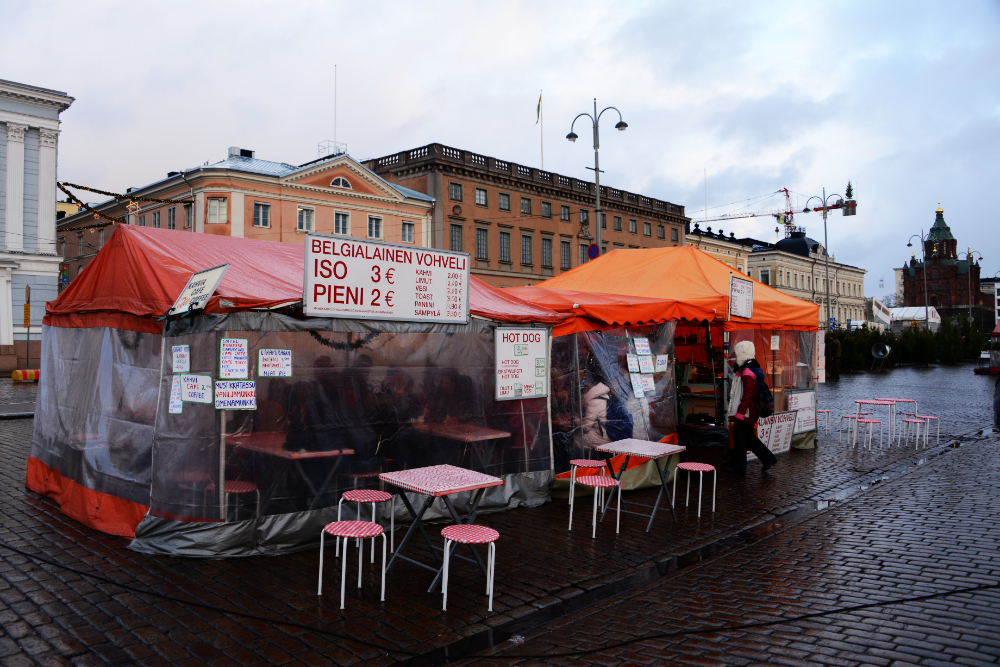
Walking around became much less enjoyable once the wind and rain picked up. Fortunately, the street vendors were prepared for the weather and had tarps covering their stalls. I stopped inside one for a small lunch and some hot chocolate, which was exactly what I needed after being outside in the cold rain.
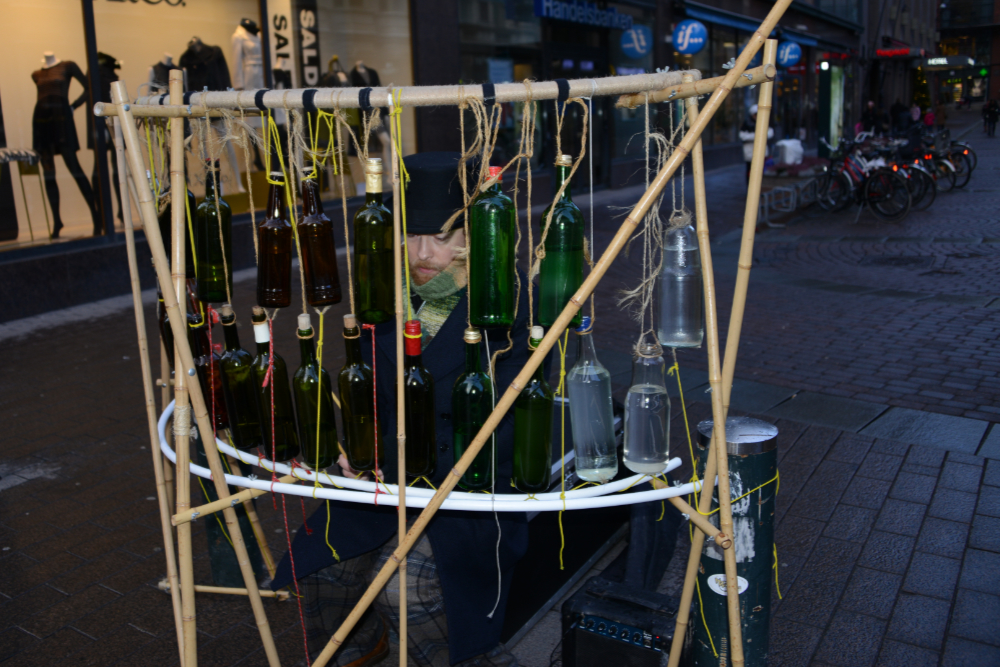
Earlier in the day, while the weather was still clear, I came across this musician playing songs using wine bottles he had arranged in front of him. It was one of those random scenes I would have missed if I hadn’t been exploring the city on foot.
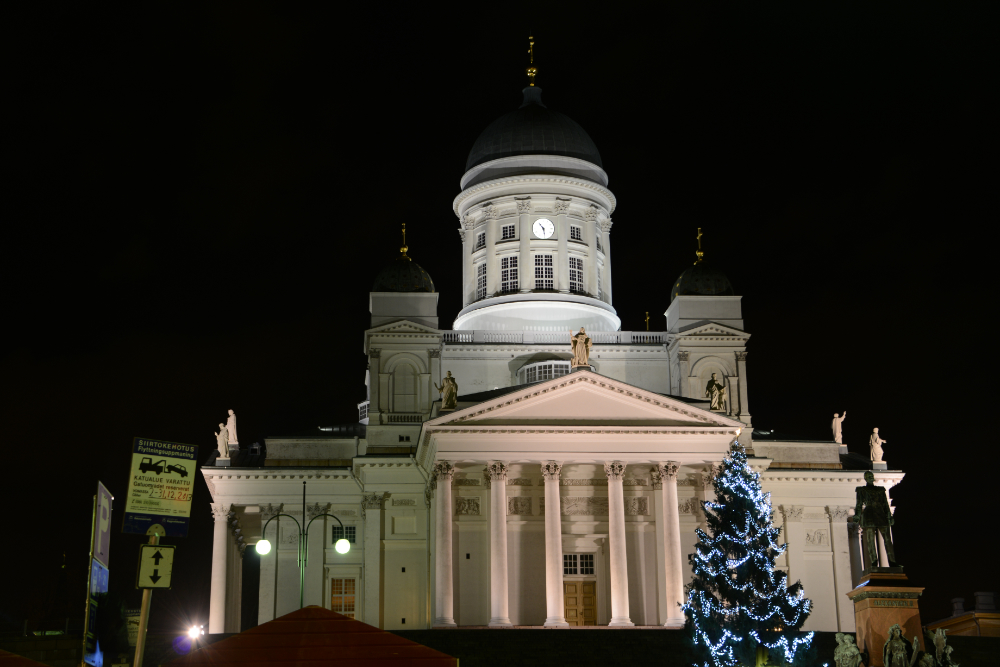
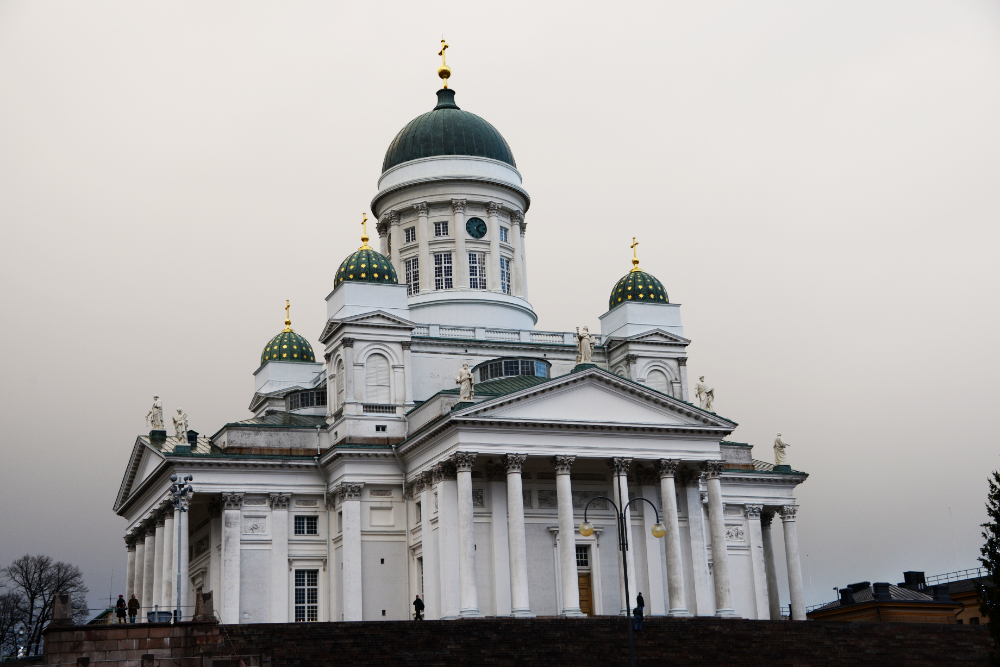
I also visited two of Helsinki’s most famous churches. Helsinki Cathedral dominates Senate Square with its white exterior, green domes and elevated position above the surrounding buildings. I arrived at the square just as the city was taking down the stalls from a Christmas market that had been running there. I had missed it by only a few hours.
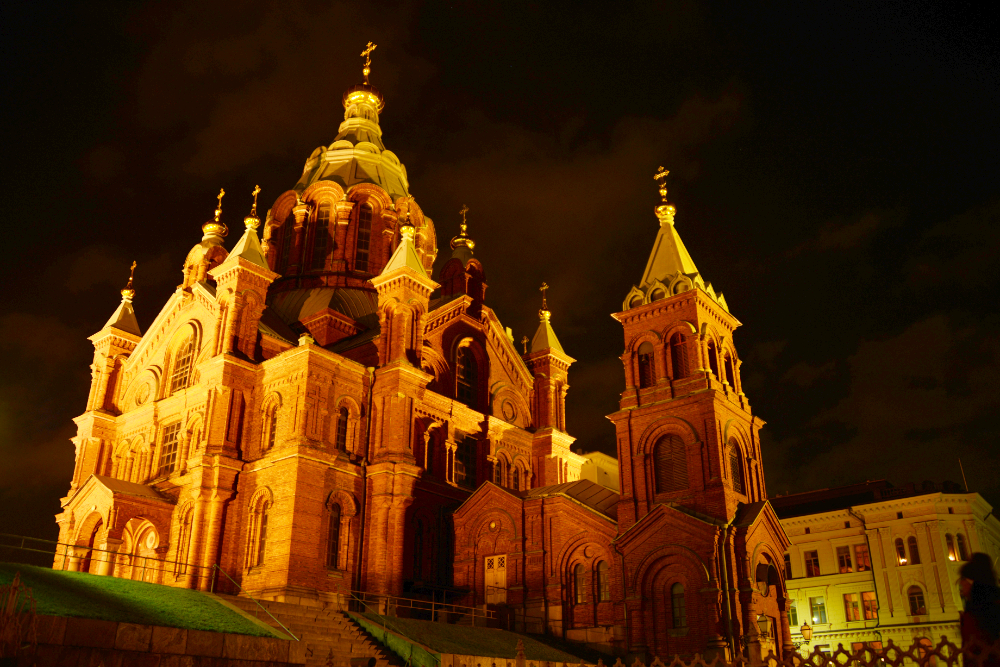
Not far away was Uspenski Cathedral, which looked completely different from Helsinki Cathedral. Its red brick exterior and Orthodox architecture reflect Finland’s historical connections with the Russian Empire and make it stand out immediately from much of the surrounding city.
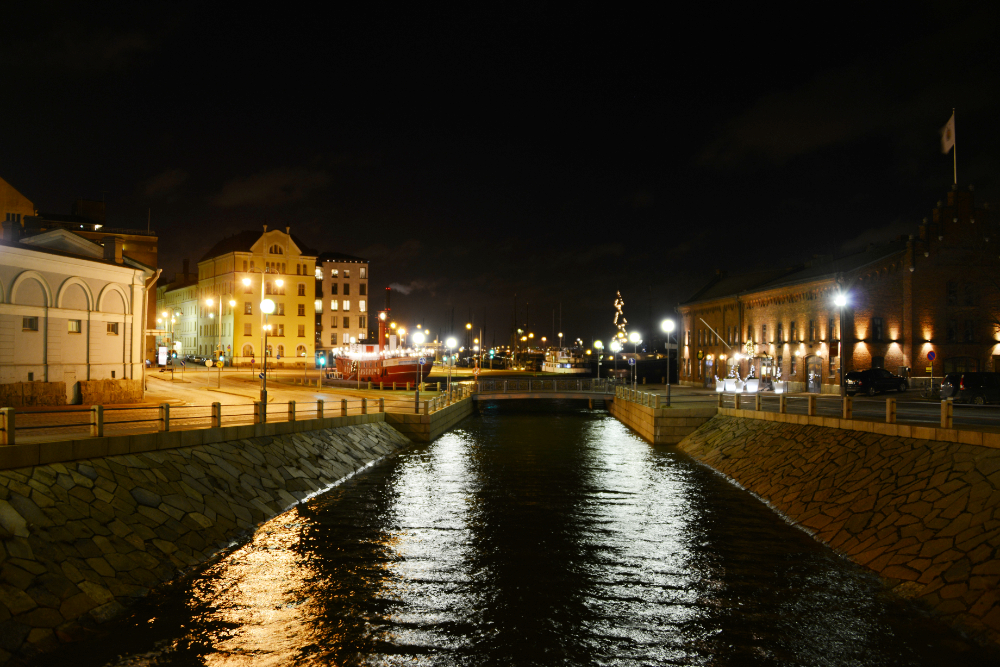
Water is never very far away in Helsinki. The city sits directly on the Baltic Sea and spreads across a coastline broken up by bays, islands and narrow waterways. Small boats could travel surprisingly far into areas that otherwise felt like part of the city center.
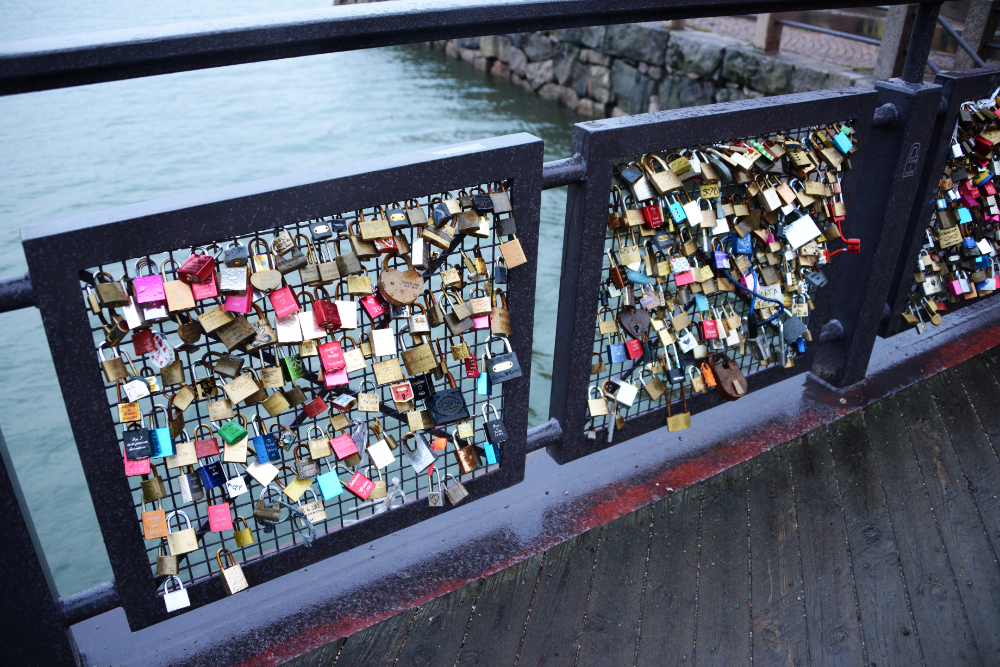
One of the bridges I crossed was covered with locks left behind by couples. The tradition has appeared in cities all over Europe, with couples attaching a lock to a bridge as a symbol of their relationship.
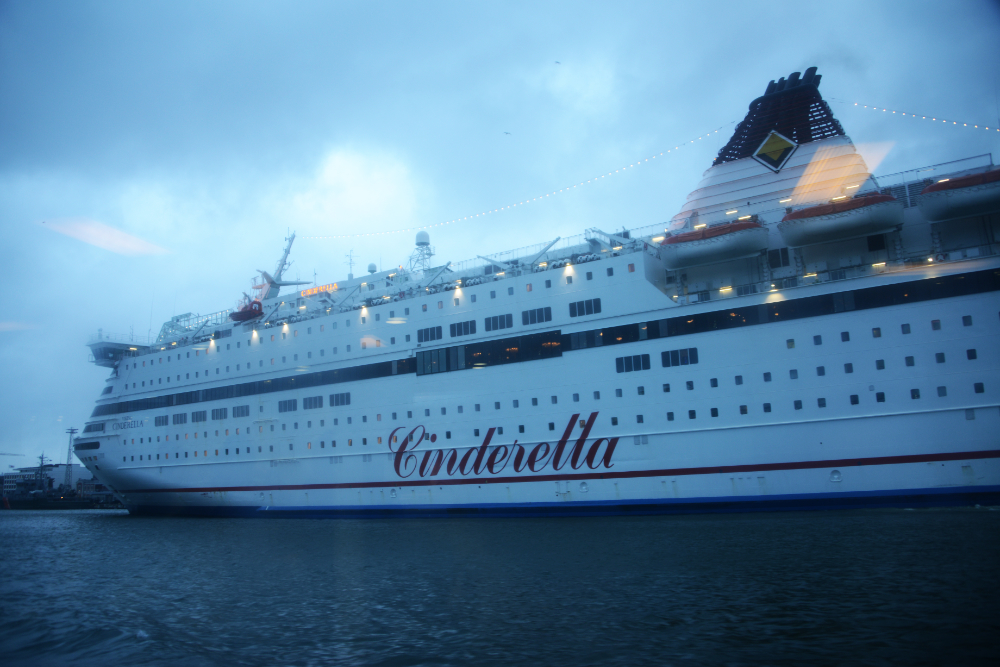
The Baltic is also an important part of transportation in Helsinki. Large ferries connect Finland with other cities around the Baltic Sea, and ships regularly passed through the harbor while I was exploring the waterfront.
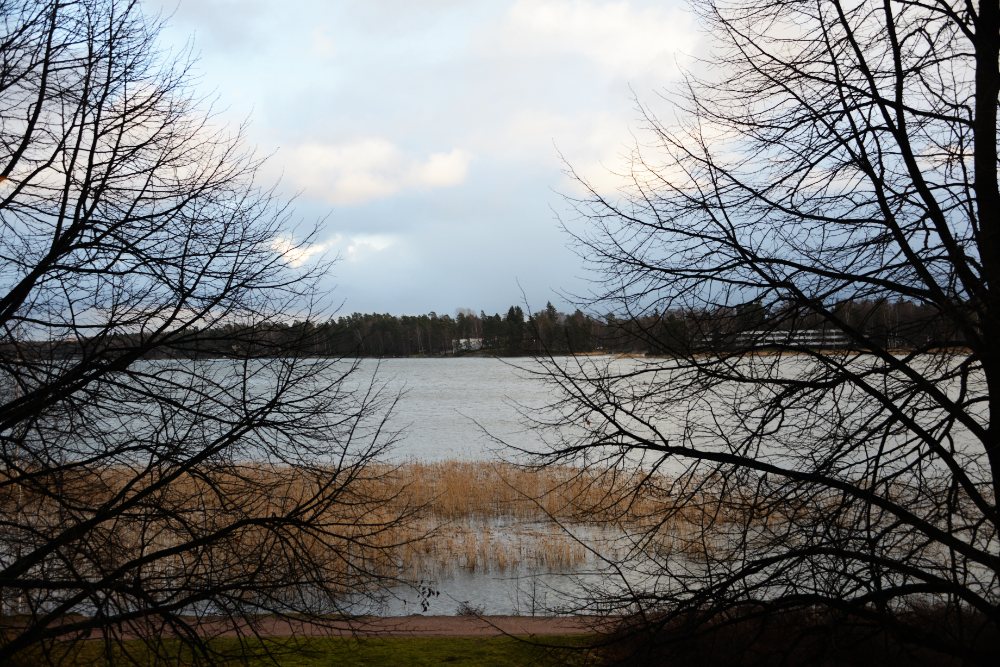
I stayed across from Helsinki in Espoo, which my taxi driver described as a suburban area and an important center for Finland’s technology industry. The coastline around Helsinki and Espoo is fragmented by countless islands and inlets, making the region feel closely connected to the Baltic even when I wasn’t directly in the center of the city.
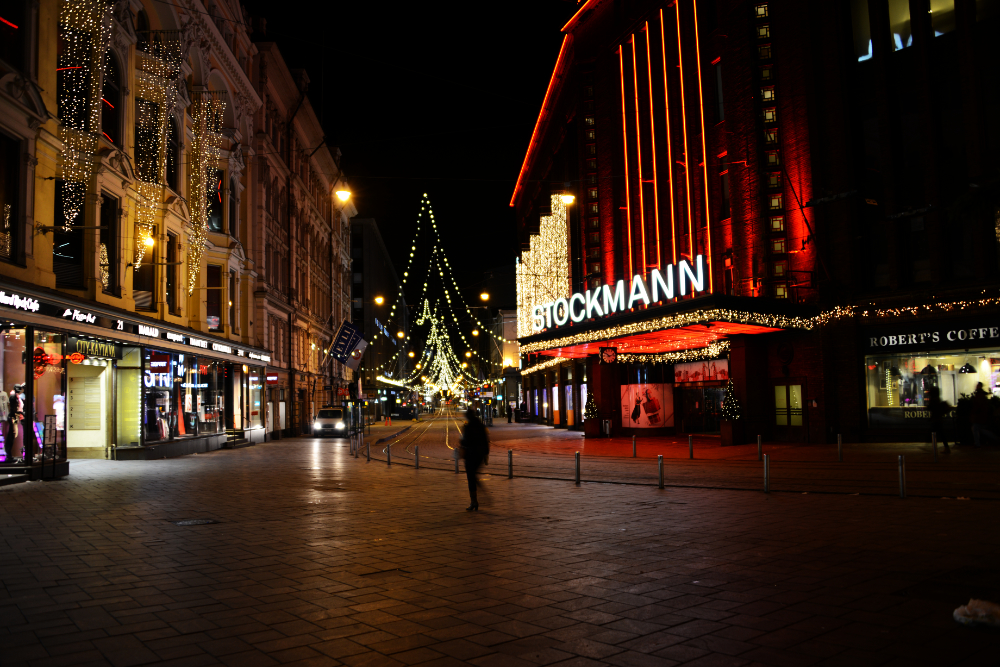
Back in central Helsinki, I wandered through some of the city’s main shopping areas. With the weather outside becoming increasingly unpleasant, spending a little time indoors wasn’t exactly difficult to justify.
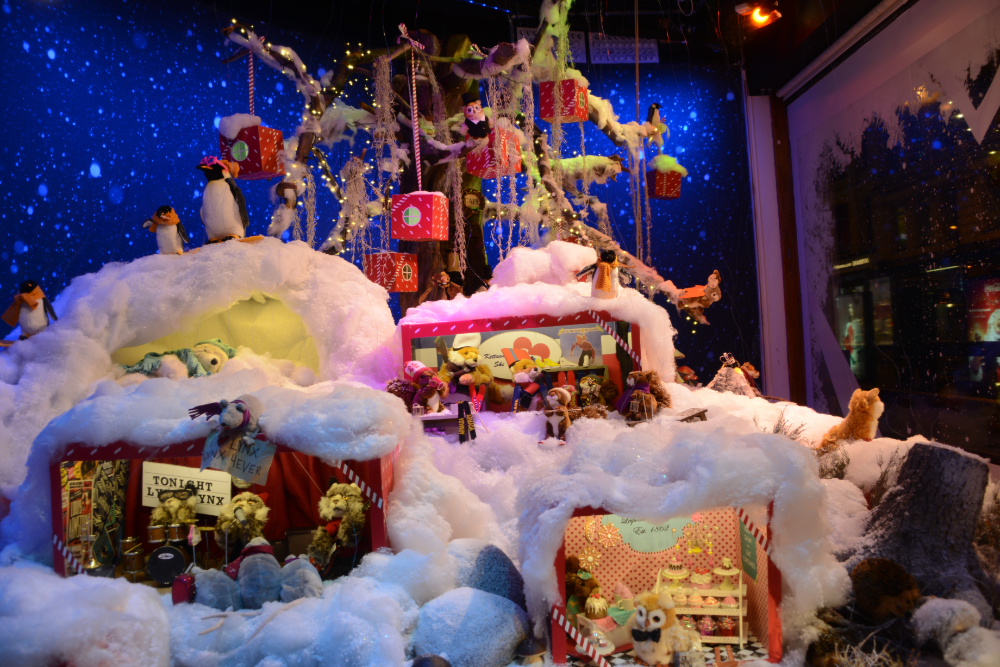
The stores ranged from large department stores to smaller specialty shops. I hadn’t really come to Helsinki for shopping, but wandering through them gave me somewhere to escape the weather while seeing another side of the city.
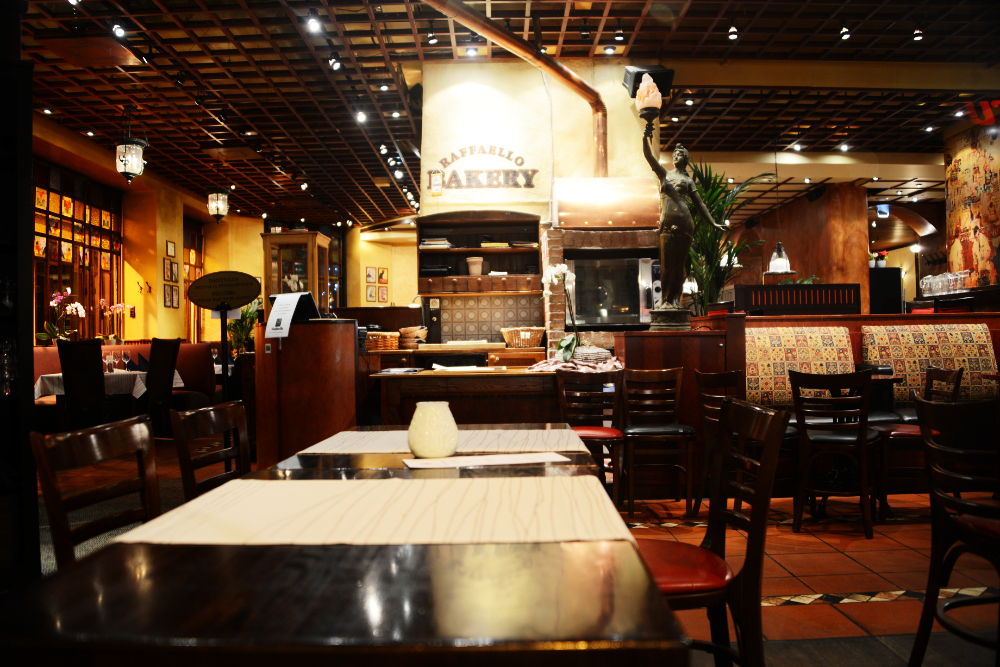
I normally don’t take many photographs of my food, but one restaurant in downtown Helsinki ended up being by far the best restaurant I ate at during this trip through Scandinavia. Food throughout the region was expensive, so I had become accustomed to paying a lot without necessarily feeling that the meal justified the price. This place was different.
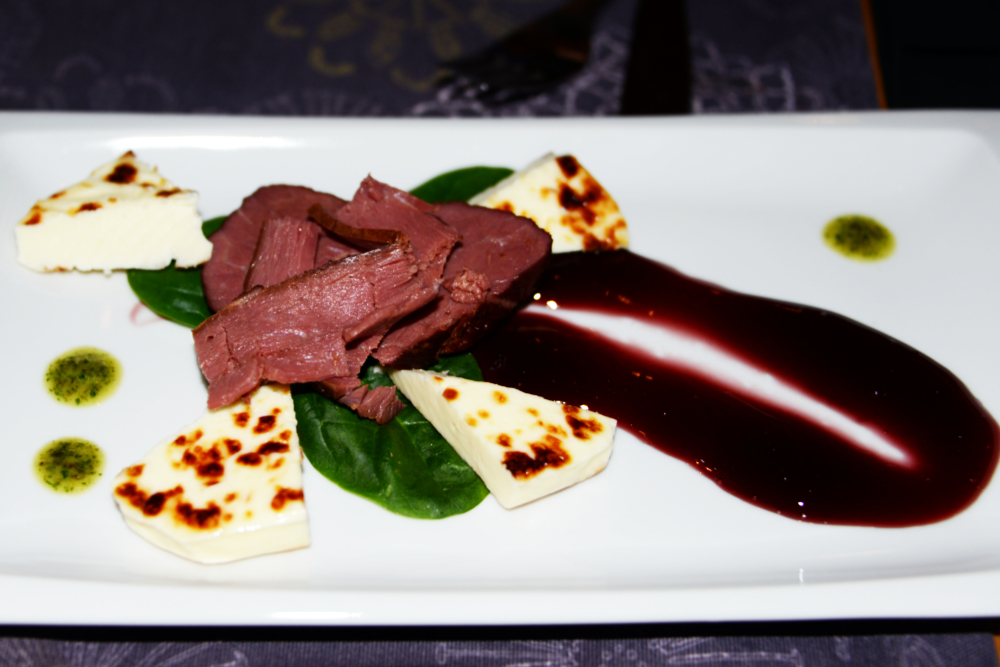
I started with an appetizer made with elk and squeaky cheese, a Finnish cheese known for the sound it can make against your teeth when you eat it. It was already enough to make the restaurant stand out from the other meals I had eaten on the trip.
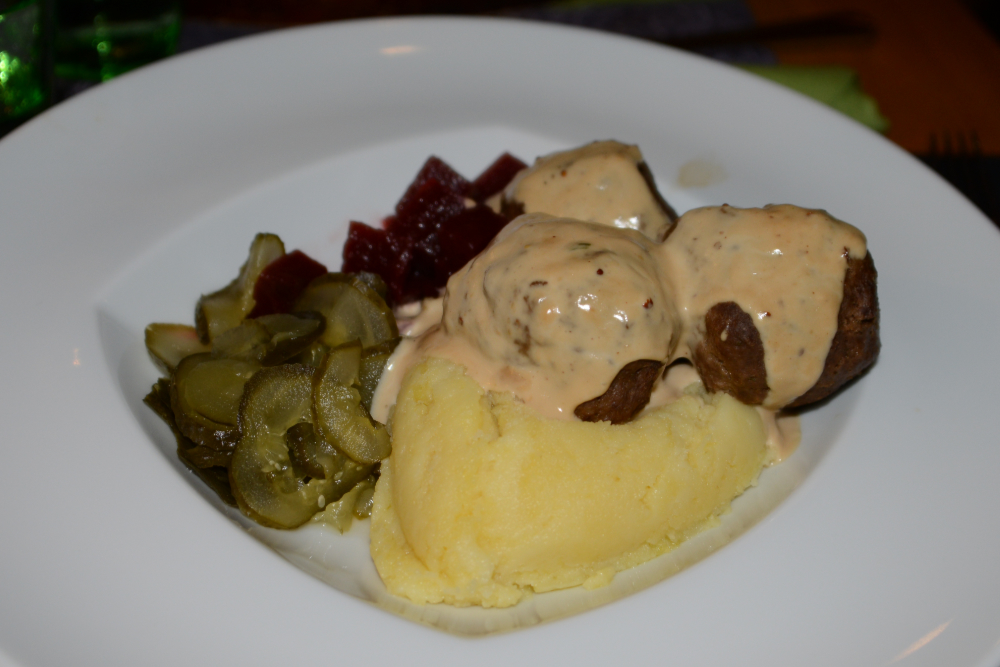
The appetizer was followed by meatballs with mashed potatoes and beets. Scandinavia was one of the more expensive regions I had traveled through, but this was one of the few dinners where I felt the meal was worth every penny.
Suomenlinna Fortress
The most interesting place I explored around Helsinki was Suomenlinna. Before arriving, I had imagined a single castle occupying a small island offshore. I was completely wrong. Suomenlinna is an enormous sea fortress spread across several connected islands, with fortifications, tunnels, old military buildings, houses, a church and an entire community living among them.
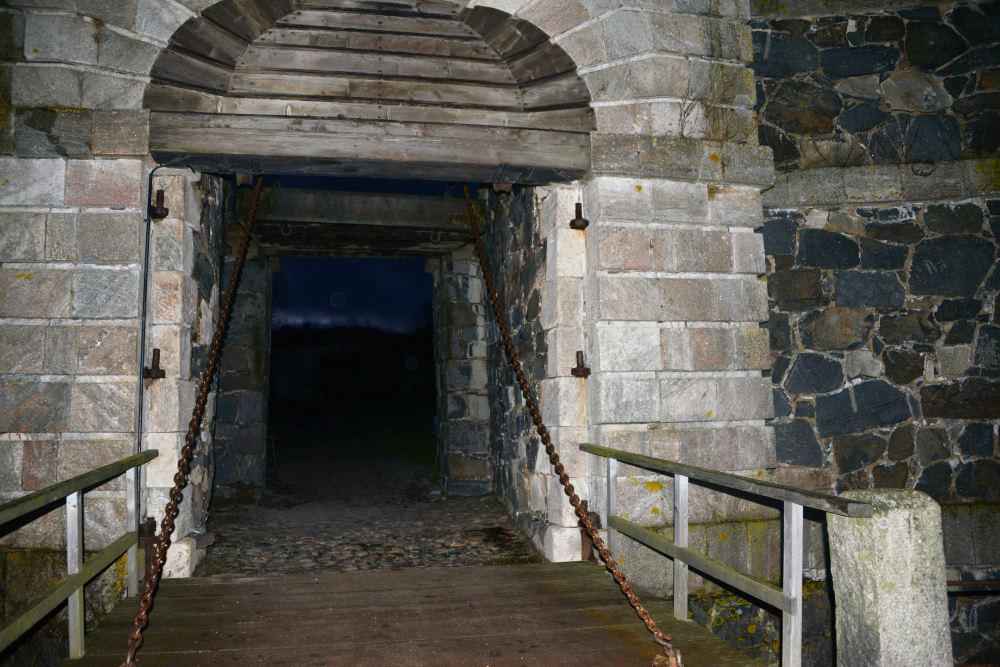
Construction of Suomenlinna began in 1748, when Finland was still part of Sweden. The fortress was originally built to strengthen Swedish defenses against Russia, which was expanding its influence in the Baltic. The King’s Gate became one of the symbolic entrances to the fortress and remains one of its most recognizable structures today.
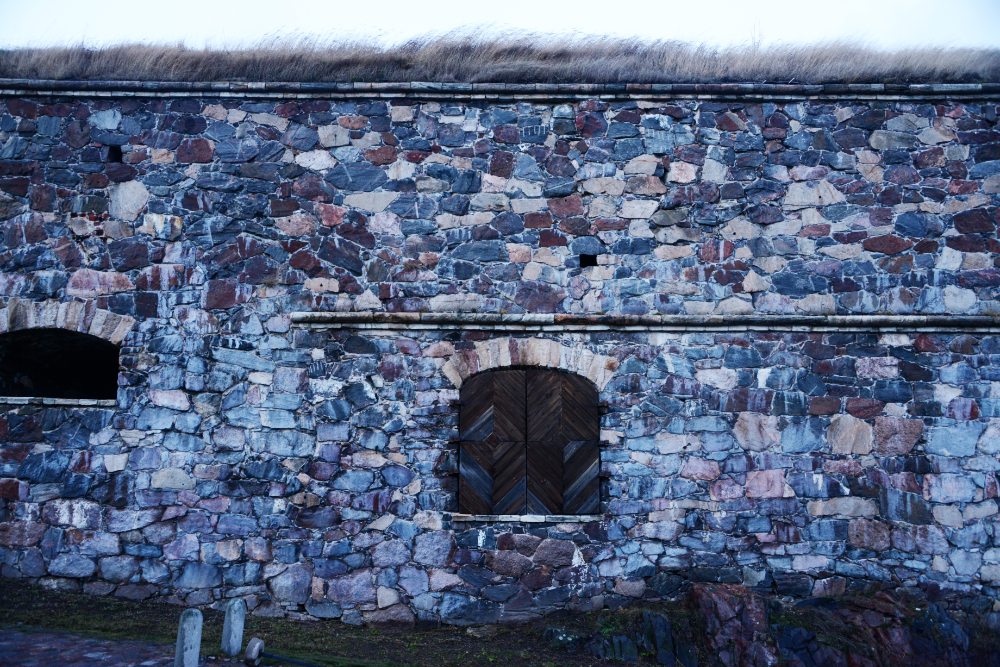
The scale became much more obvious once I started walking around. Defensive walls and earthworks extended along the coast rather than surrounding one compact castle. Suomenlinna was designed as an entire fortified military position controlling the approaches to Helsinki.
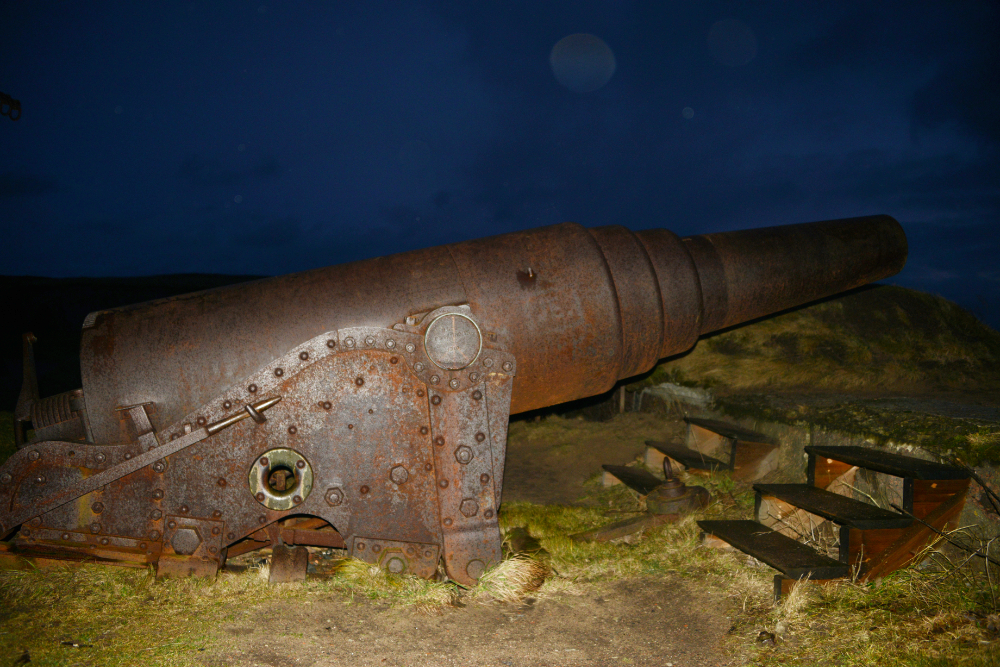
Large coastal guns remain around the fortress as reminders that Suomenlinna continued to have military importance long after its original 18th-century construction. The islands changed hands and military roles over the centuries as control of Finland shifted between Sweden, Russia and eventually independent Finland.
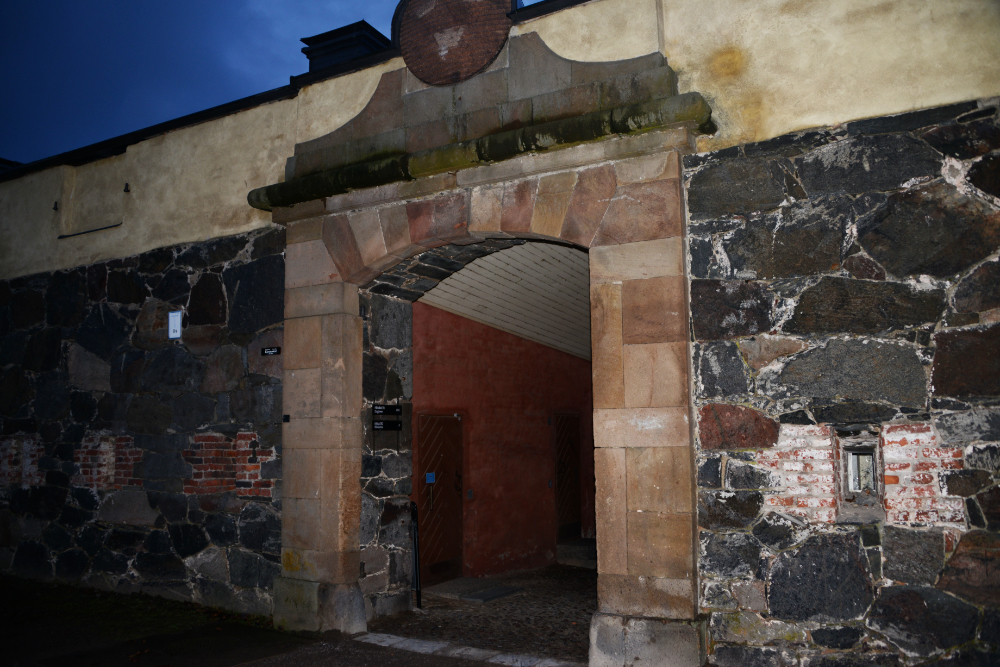
There were entrances everywhere leading through stone walls, beneath earthworks and into different sections of the fortress. This was much more fun to explore than the single castle I had expected to find.
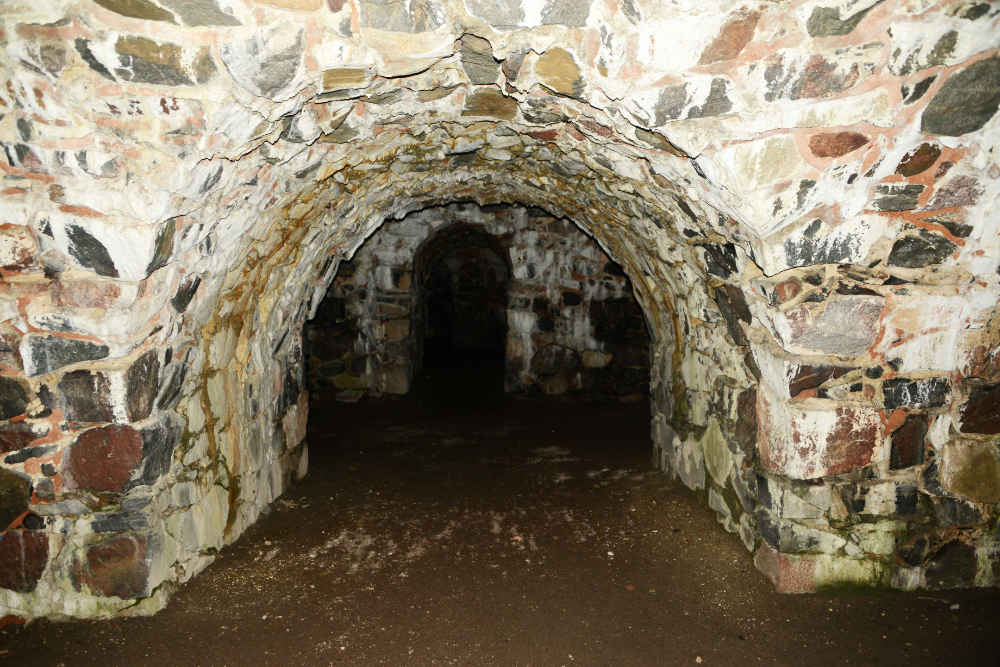
The tunnels were particularly welcome because the weather on the islands was cold and extremely windy. Every time I disappeared underground, I got a temporary break from the wind before eventually having to head outside again.
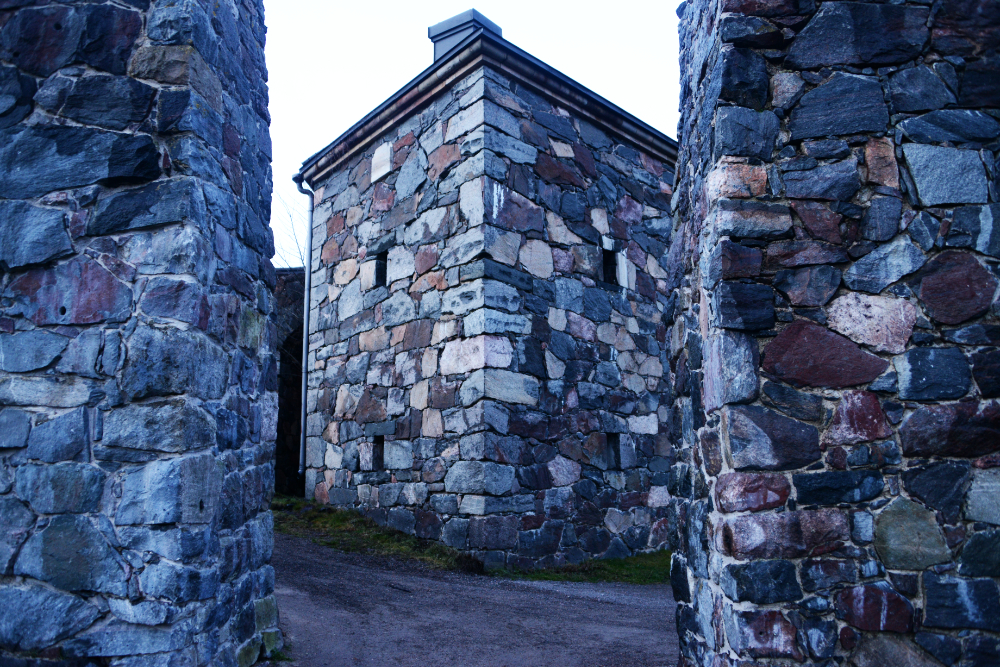
Some sections felt much more like an old European town than a military fortress. Stone buildings sat between the fortifications, and paths continued from one part of the islands to another.
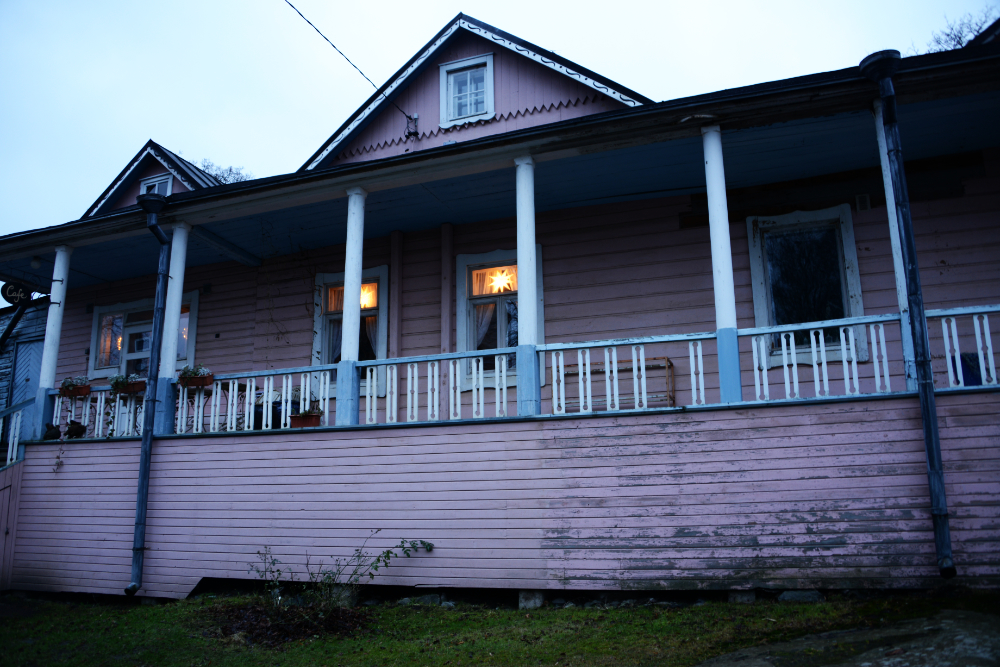
That was when I really understood how wrong my original idea of Suomenlinna had been. People actually live on the islands. There are homes, businesses and other buildings scattered among the historic fortifications, making Suomenlinna feel more like a small inhabited town that happens to sit inside an enormous fortress.
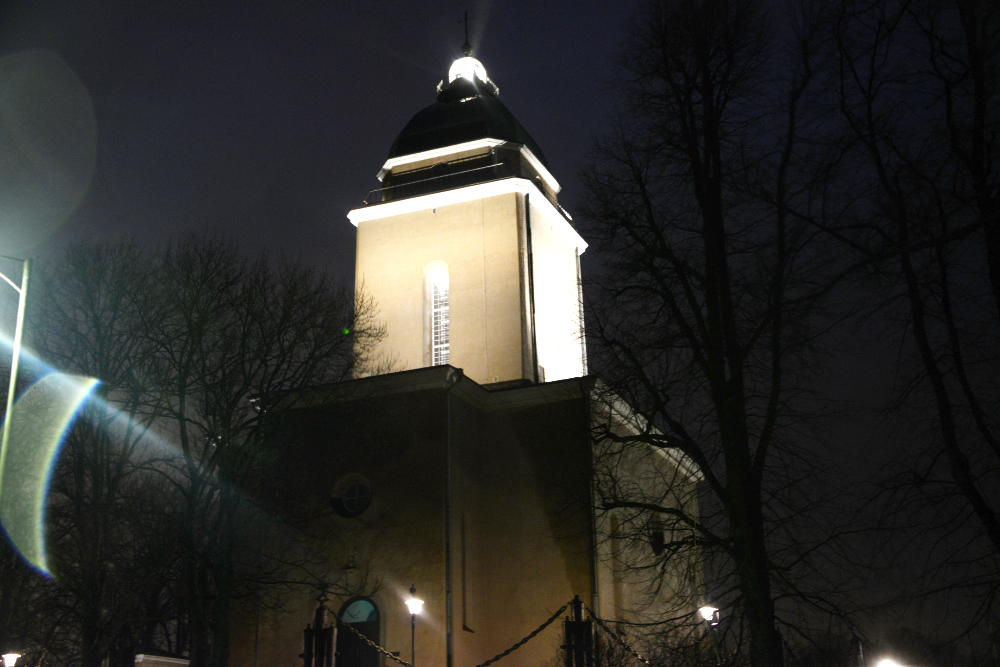
Suomenlinna Church is another of the islands’ major landmarks. The building originally served as a Russian Orthodox church before later being converted into a Lutheran church after Finland became independent. Its tower also serves as a lighthouse, which seems appropriate for a church sitting in the middle of an island fortress.
Suomenlinna ended up being the highlight of my short time in Helsinki. I had expected to spend an hour or two walking around a small castle and instead found an entire collection of islands that could easily take most of a day to explore. Between the walls, tunnels, artillery, houses and waterfront, there was always something else around the next corner.
My visit to Helsinki was brief and the weather could have been considerably better, but I still left with a good impression of the city. I liked the trams, cobblestone streets and waterfront, had one of the best meals of my Scandinavian trip, and found far more to explore at Suomenlinna than I had expected. Helsinki had originally been little more than a stop on my way north to the Arctic, but it ended up being a worthwhile destination on its own.