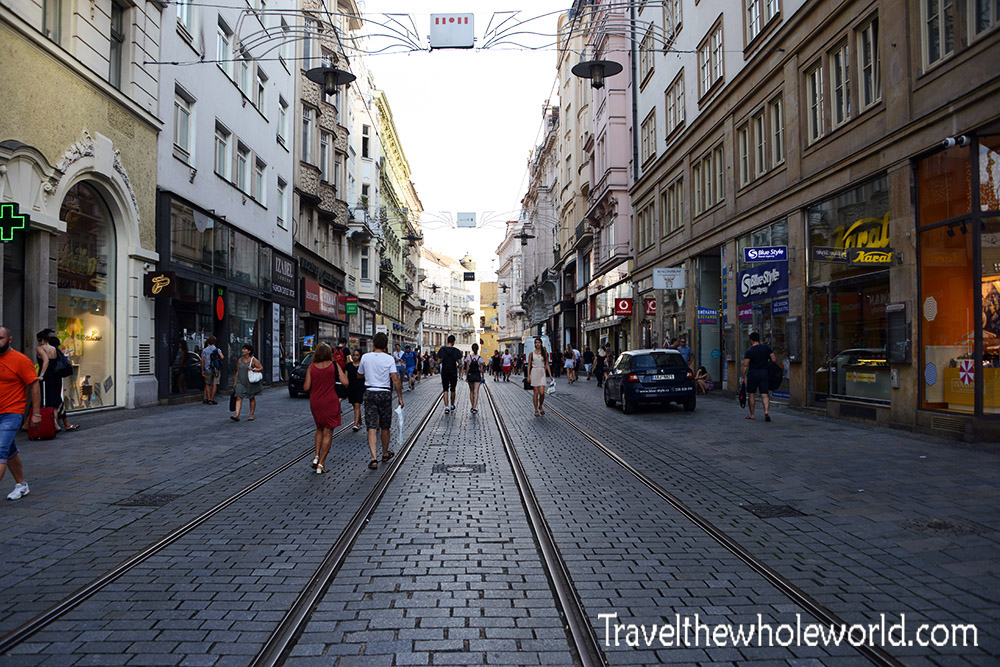
Czechia’s second-largest city of Brno isn’t well known to much of the world, but it’s definitely an interesting place to visit with a lot to see and do. Like many European cities, it has a beautiful historic center lined with shops, restaurants, and pedestrian streets.
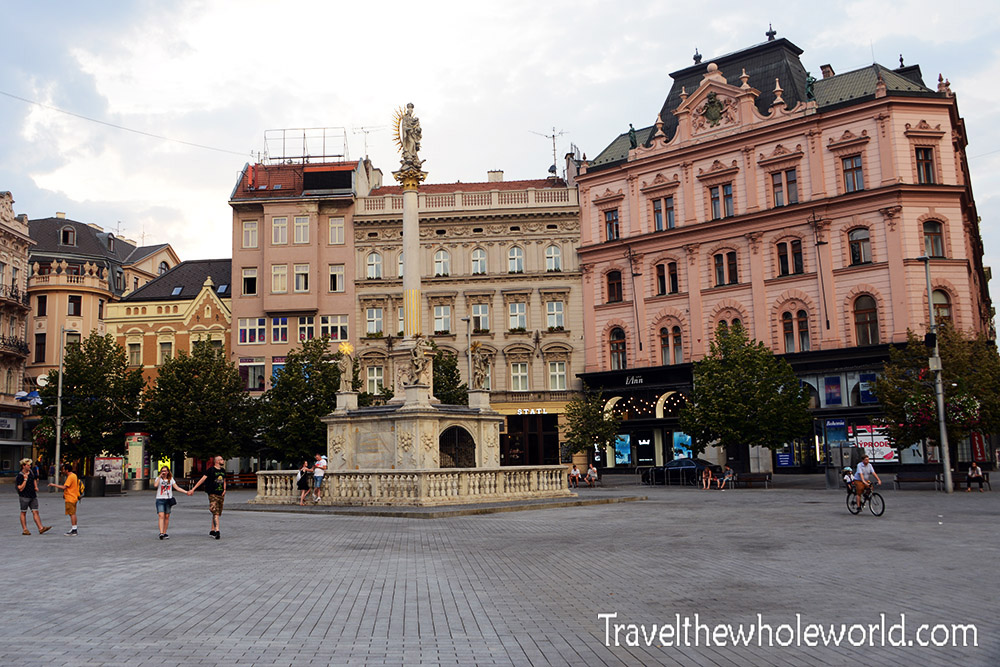
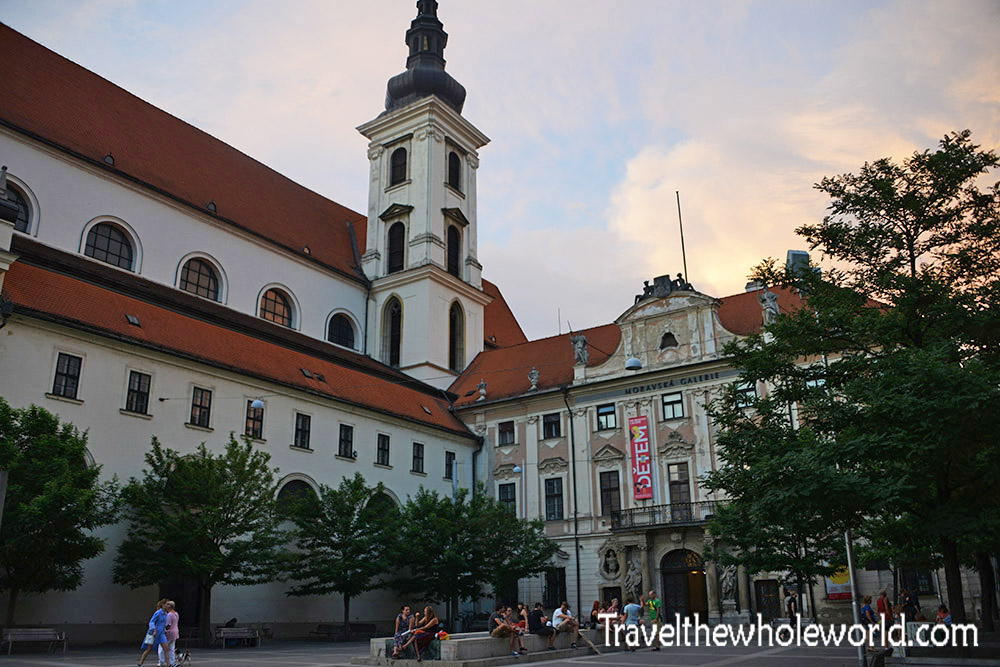
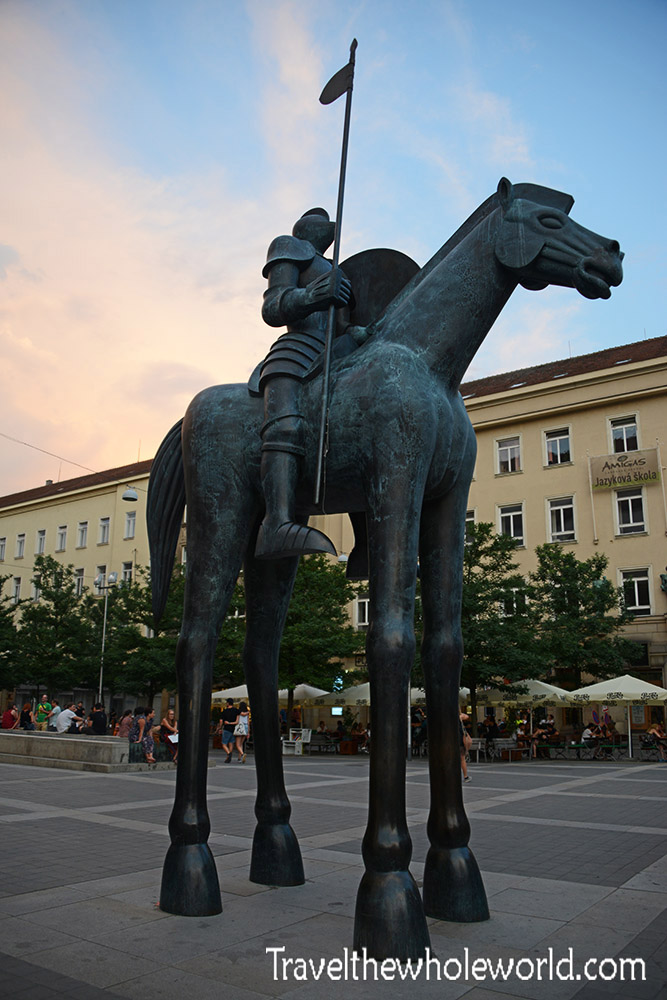
There are several squares in Brno. Photographed above is St. Thomas Church within Moravian Square. The square is also home to the locally famous horseman statue dedicated to Jobst of Moravia. The horse’s unusually long legs attracted some negative attention when the statue first appeared, but my understanding is that locals have warmed up to it. :contentReference[oaicite:0]{index=0}
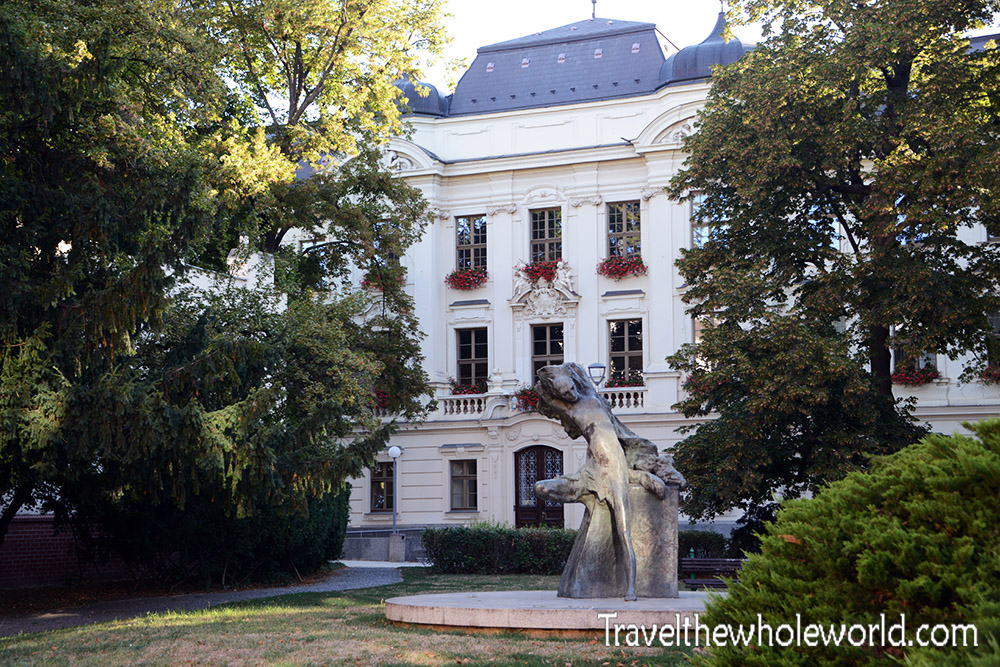
I’d say the rest of Brno feels like a pretty typical European city, except for what’s underground. Above ground, there are more restaurants and cafes than you could ever visit, and beautiful architecture throughout much of the city. I believe the building above is a fancy apartment building just outside the city center.
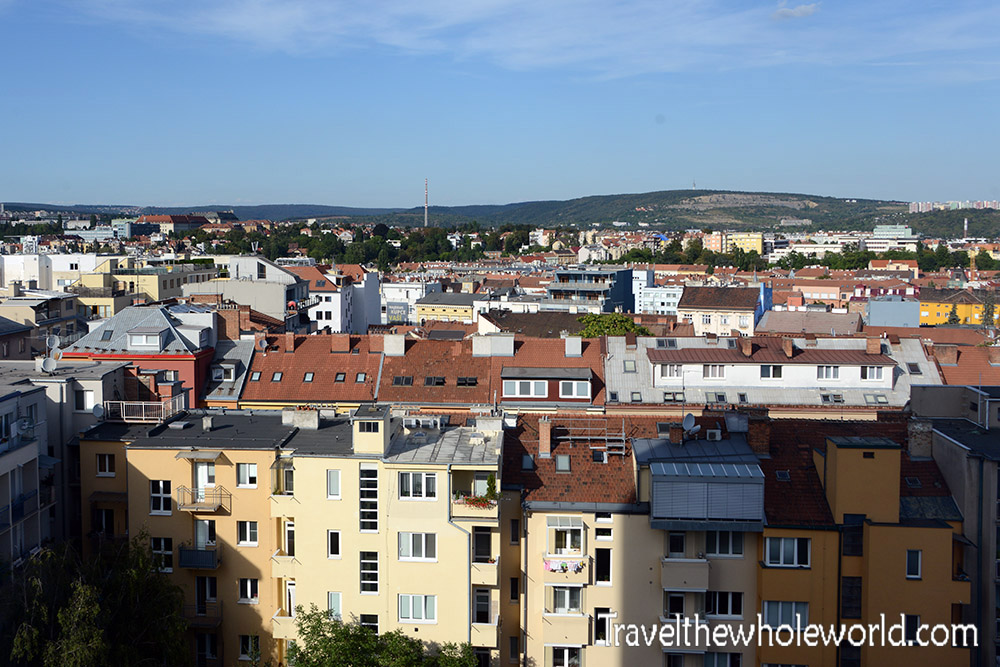
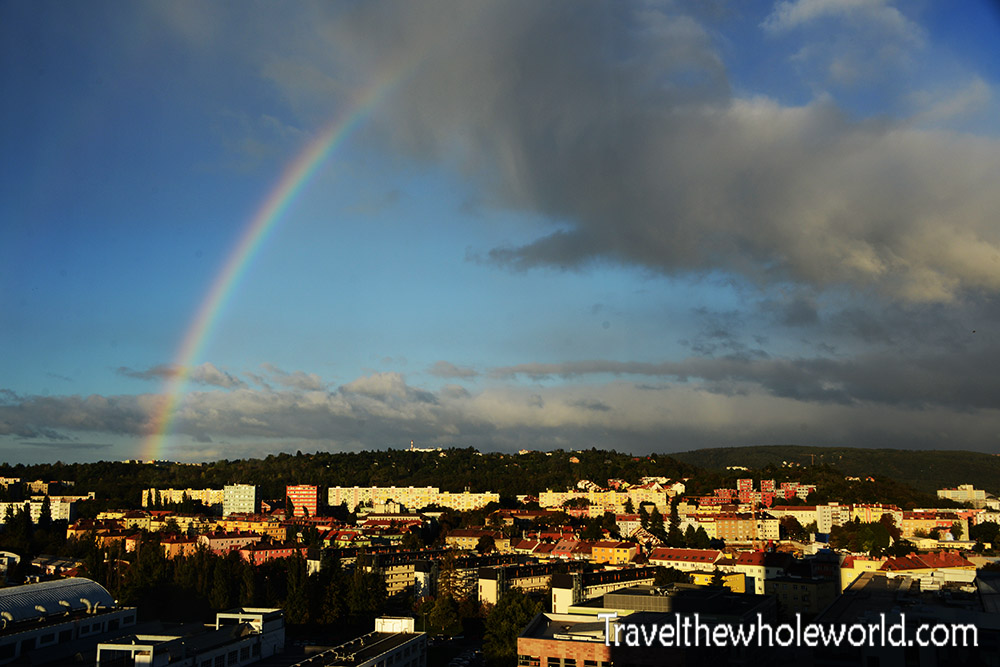
I’ve stayed in Brno twice so far, once in the summer and again in the fall. This photo above is from my first stay, when I had a great view across several residential neighborhoods. The second time I visited, I stayed in a different hotel and woke up to an unexpected full rainbow. It was so big that my lens wasn’t even able to capture the whole thing!
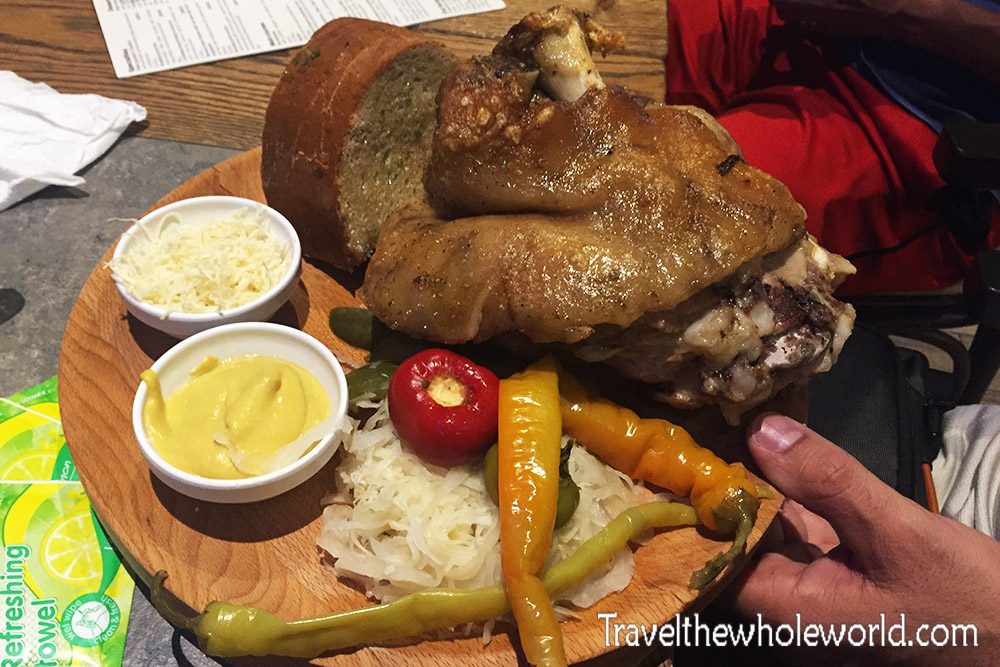
One of the best things about visiting Brno when I was there was how reasonably priced everything was. I remember some coworkers and I going out for drinks and, without exaggeration, paying less than two dollars for a beer! They were pretty big beers too, so your money could go a long way. The same was true for eating out. My friend ordered something from the menu without even knowing what it was and was presented with this monstrosity.
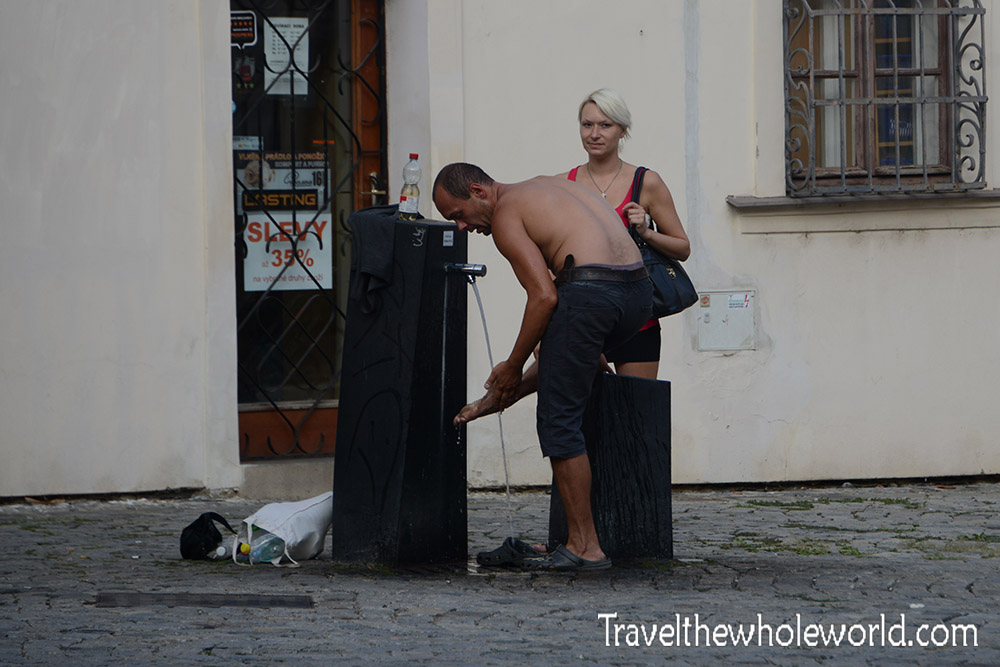
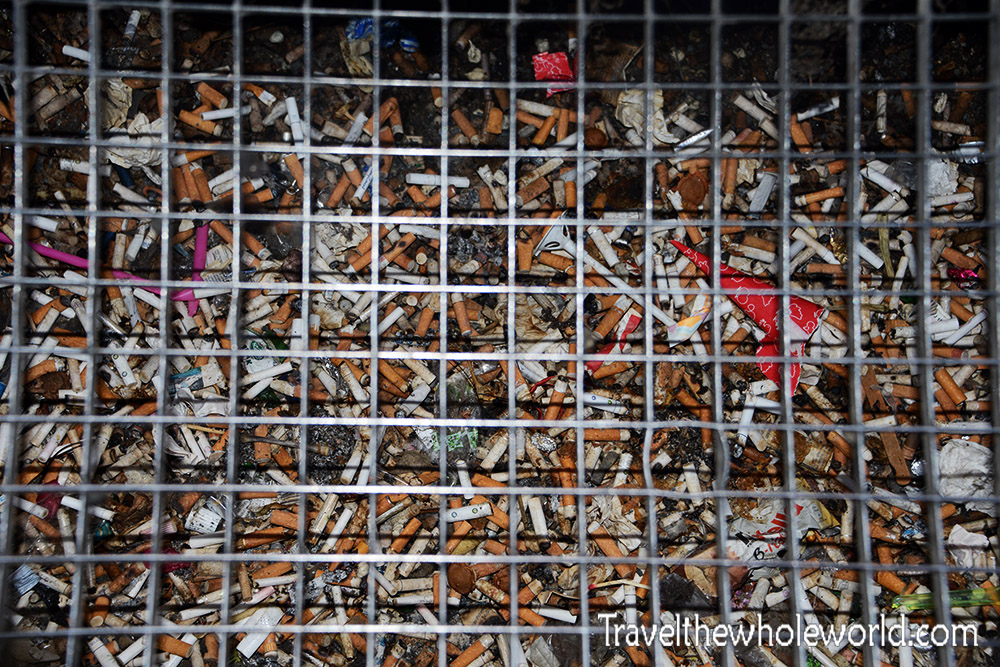
Brno is a pretty well-kept city for the most part, but I couldn’t help taking a photo of this couple who were basically taking a shower in a central square with an audience. They went about their business as if it were totally normal. On one of the main streets, I also noticed gutters nearly overflowing with cigarette butts and gum.
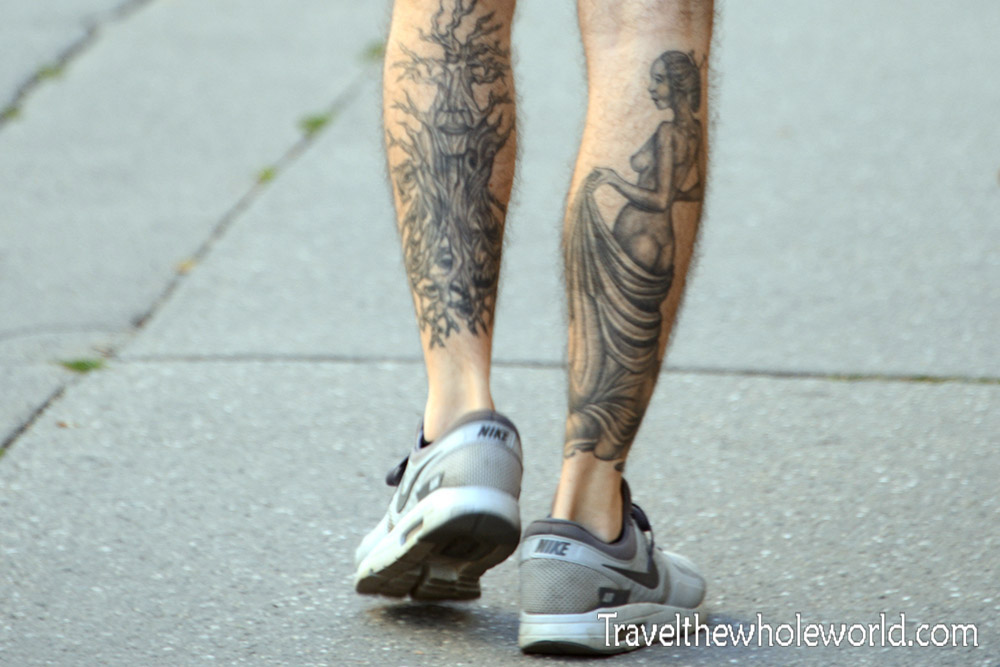
Tattoos also seemed especially popular in Brno. I had seen plenty of graffiti and street art throughout other parts of Europe, but Brno definitely stood out to me for the number of tattoos I noticed.
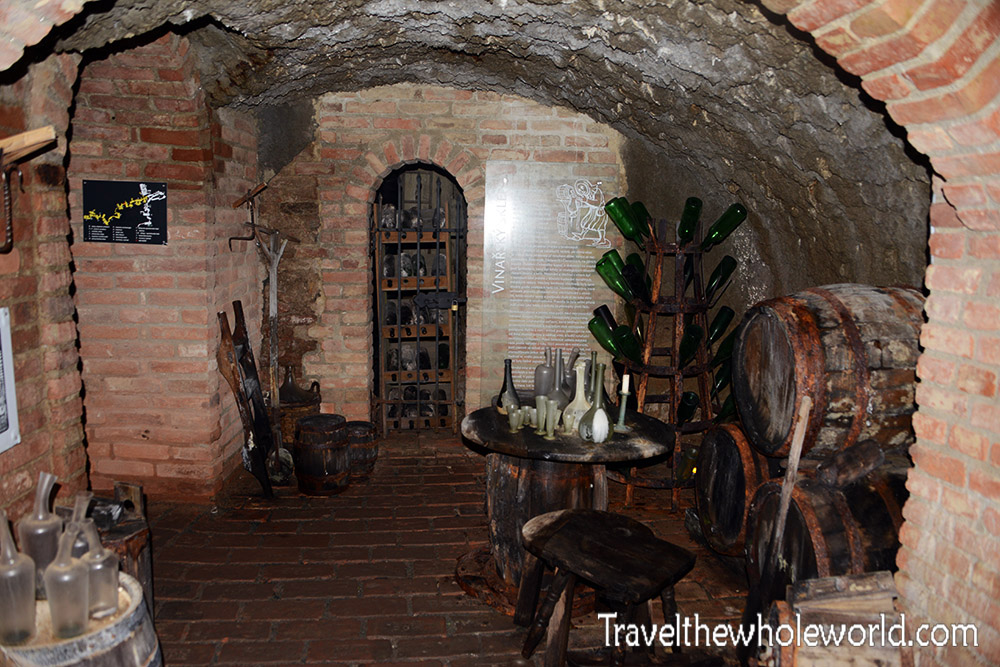
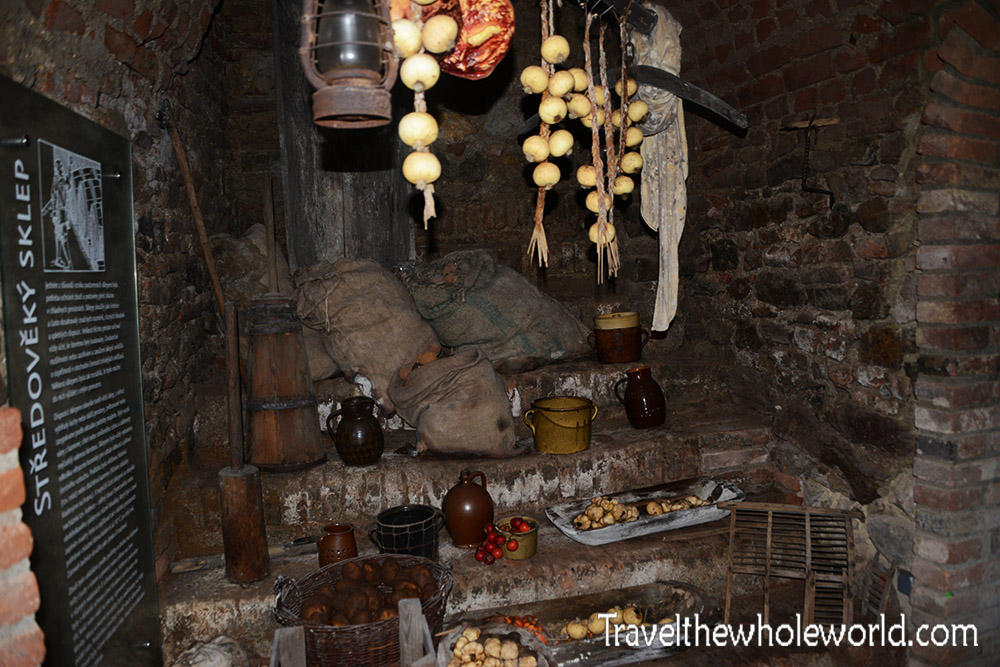
What’s most interesting about Brno is actually underground. Beginning in the Middle Ages, people developed underground cellars beneath the city to store food and wine and support businesses such as breweries. Over the centuries these spaces expanded into a network of underground rooms and passages. They weren’t opened to the public until 2011, making them a relatively new part of Brno for visitors to explore. These two photos show recreations of how some of the cellars may have looked when stocked with food and beverages.
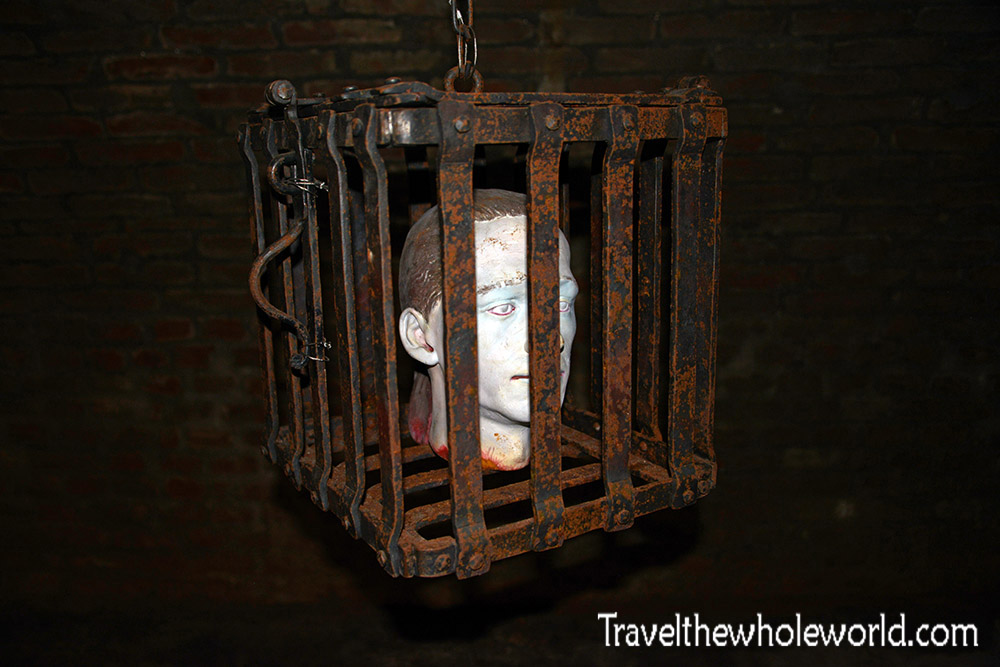
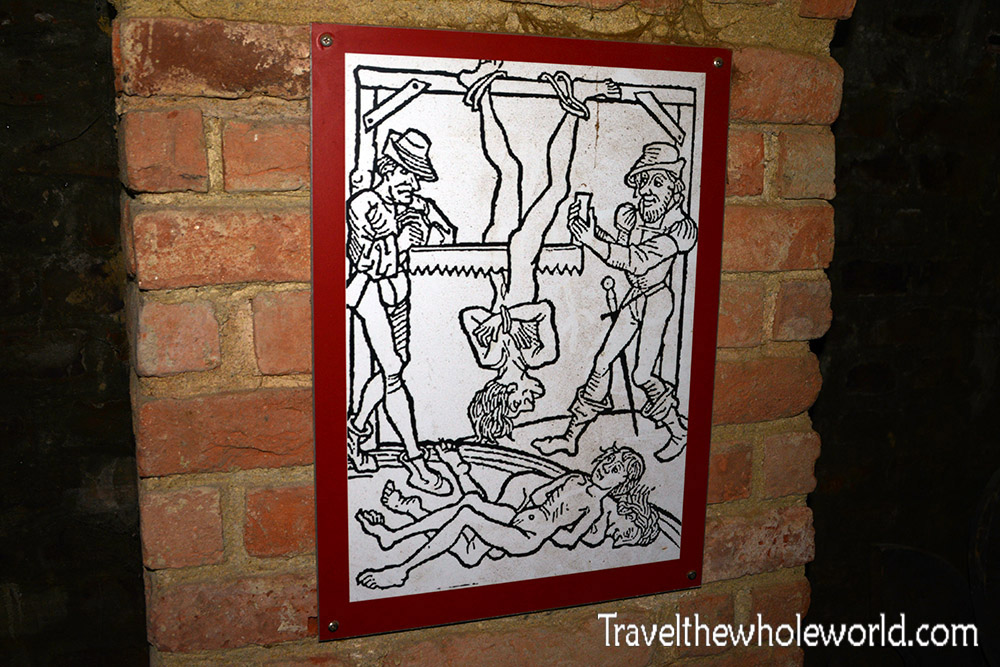
The labyrinth isn’t all about food and wine. Several rooms contain exhibits dedicated to medieval punishment and torture, including displays of the equipment that was once used. I’m much happier to be visiting Brno in the 21st century rather than during medieval times!
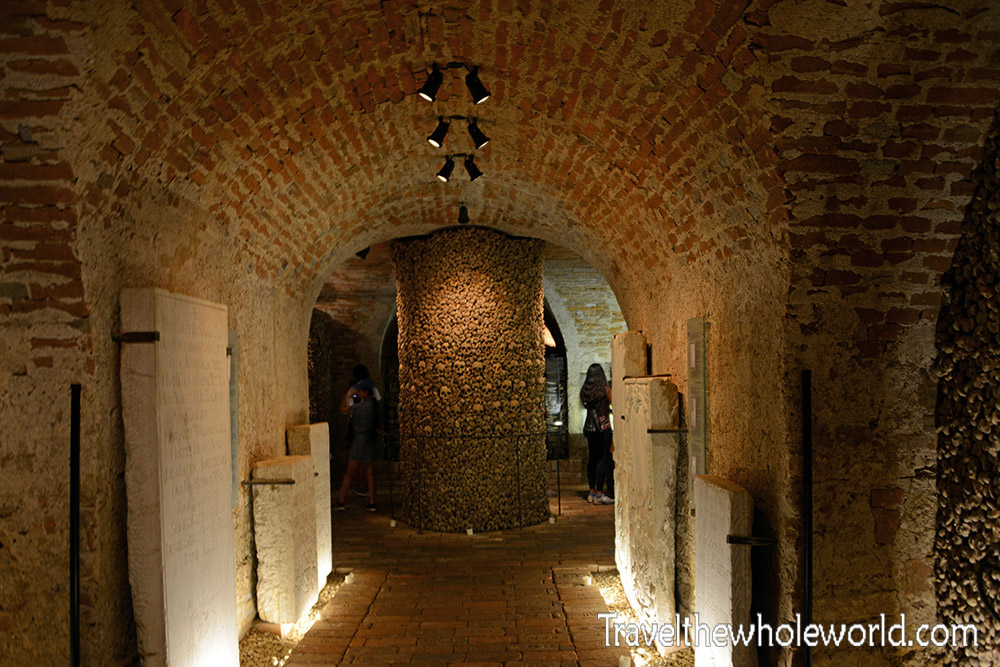
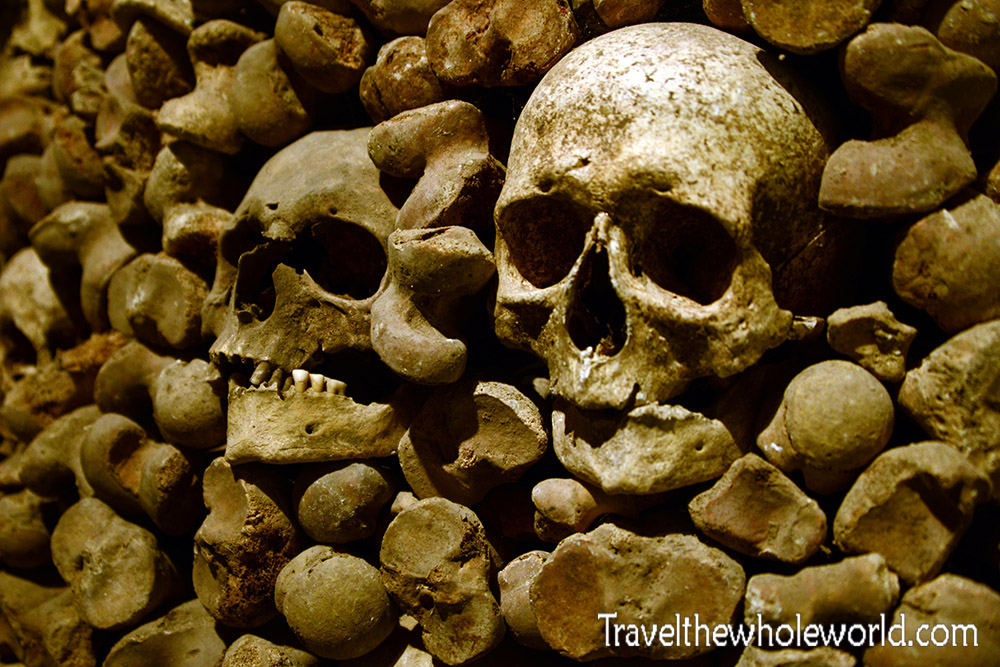
One of the most unique places in Brno is its ossuary. Located beneath the Church of St. James, the enormous burial site was rediscovered in 2001 after having been forgotten for centuries. If you’ve been to the catacombs in Paris, this one is much smaller in terms of the areas you can explore, but it’s still an incredible place to visit. The photo above shows the entrance, while below is a memorial surrounded by human remains.
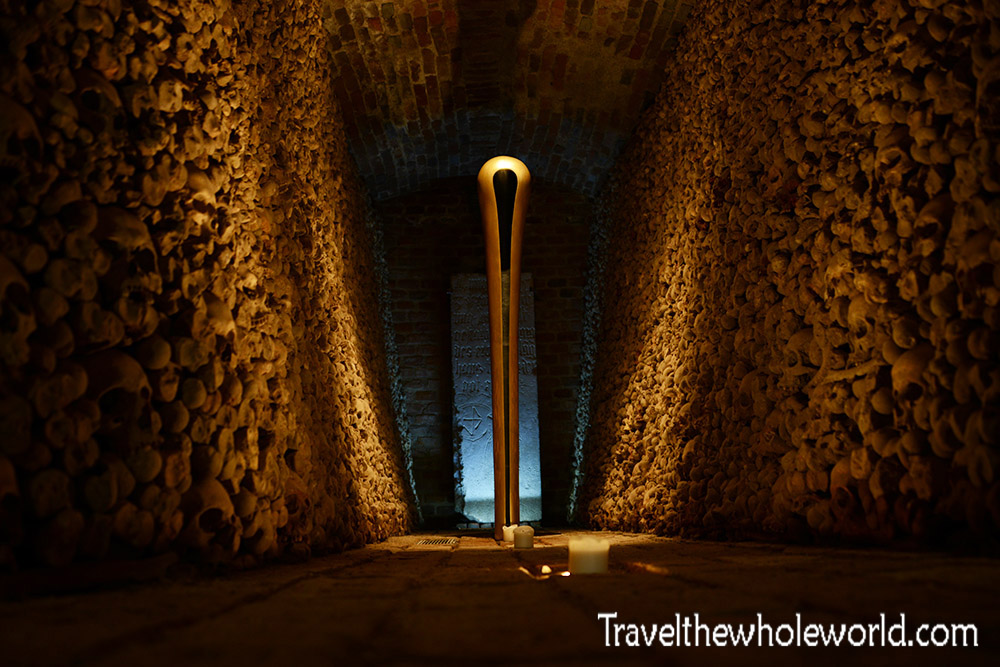
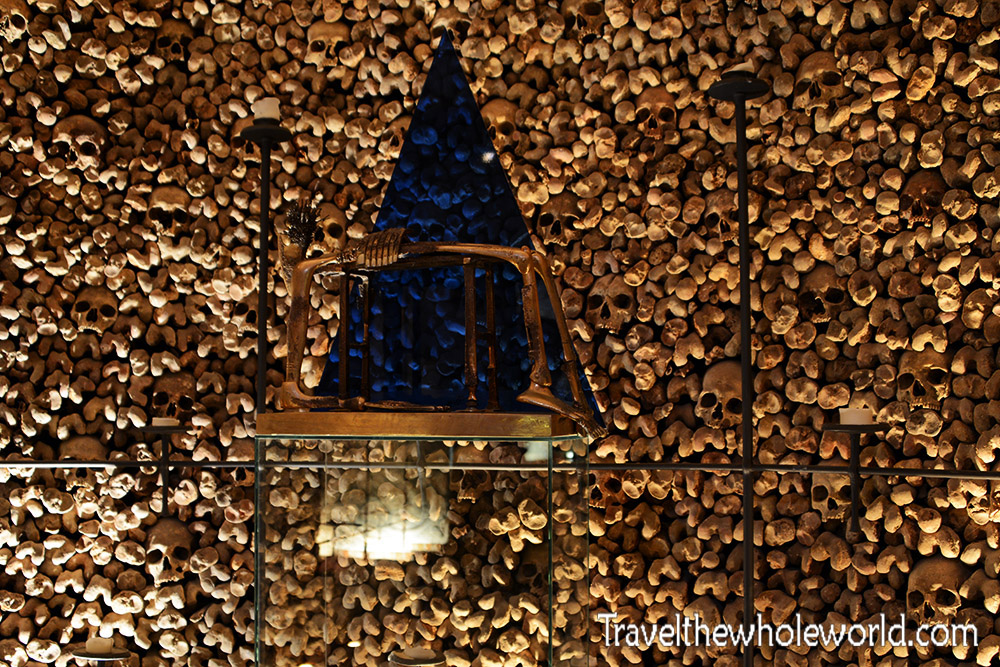
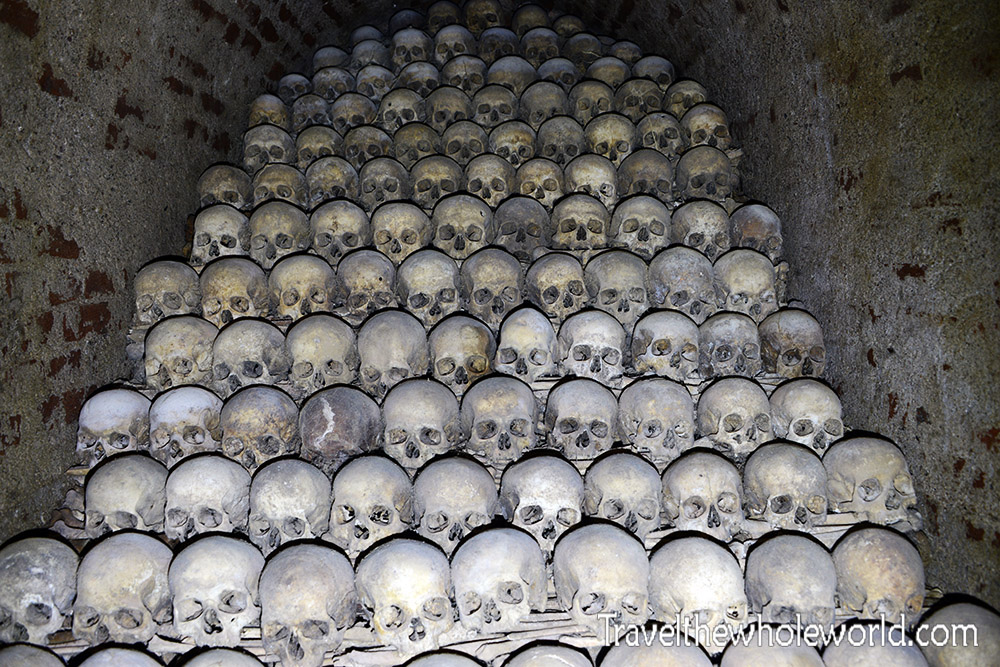
Like many ossuaries in Europe, the remains were organized after the site was rediscovered and restored. At first I thought it was a bit odd to arrange people’s remains this way, but in a sense it feels more respectful than leaving everything in a giant pile. One thing I found strange here, just as I had in Paris, was that skulls and femur bones seemed to dominate the displays. I don’t recall seeing many smaller bones such as forearms, for example.
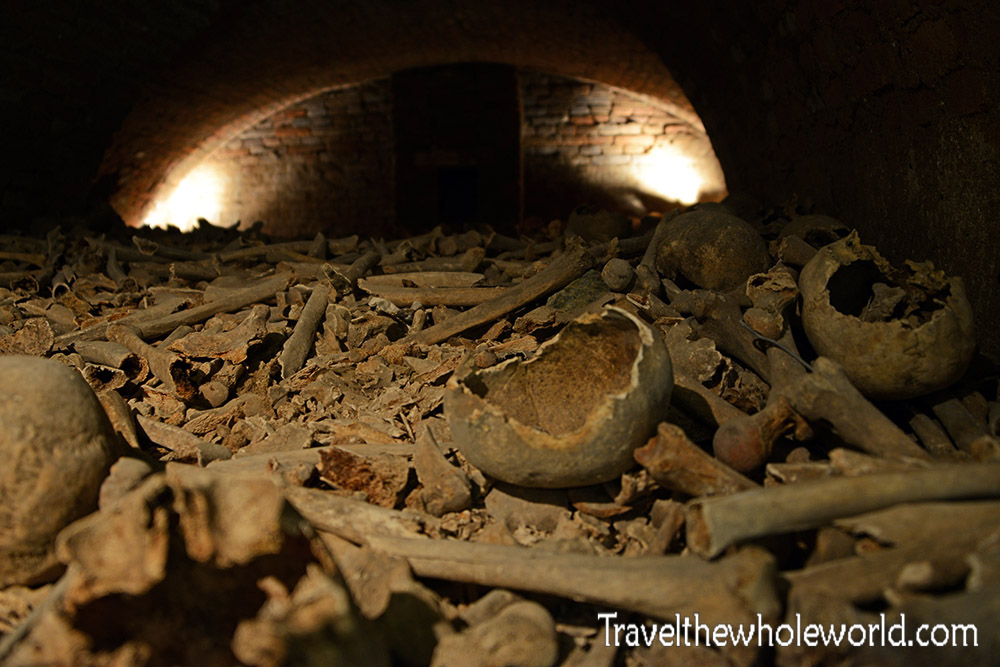
This photo gives a better idea of how parts of the ossuary looked before the remains were reorganized. The ossuary dates back several centuries and contains the remains of tens of thousands of people, making it one of the most remarkable underground sites in Brno.
Explore More of Czech
Brno • Prague