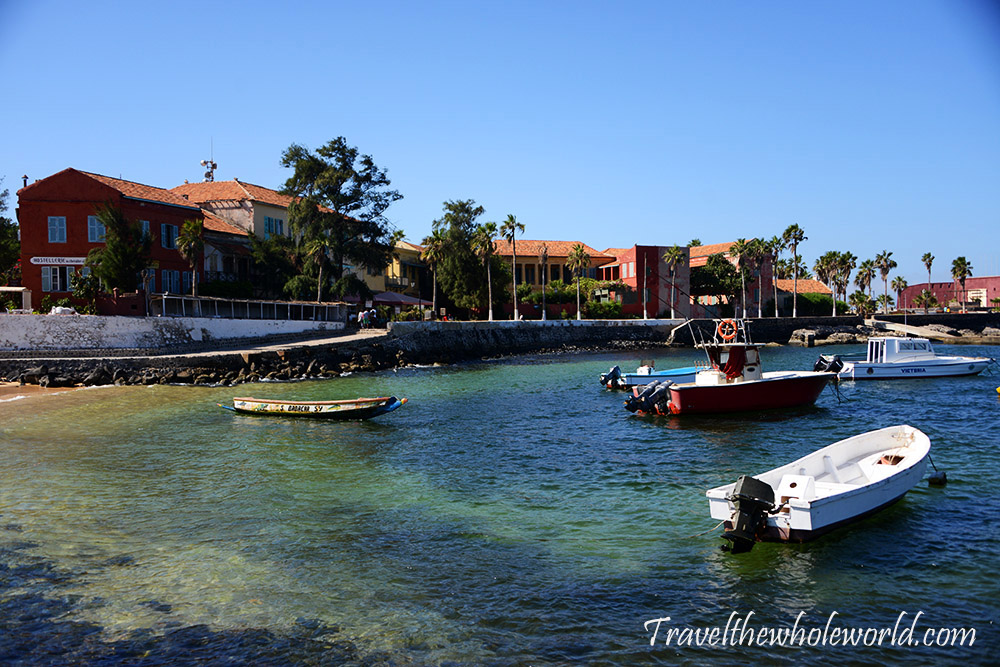
Just off the coast of Dakar is one of Senegal’s most interesting destinations, Gorée Island. The small island is known for its colorful colonial architecture, narrow streets, history, shops, restaurants, and relaxed atmosphere. It’s close enough to Dakar for an easy day trip, but spending the night would give you more time to explore after most of the daytime visitors have left. The photo above shows Gorée’s small harbor, the arrival point for everyone visiting the island.
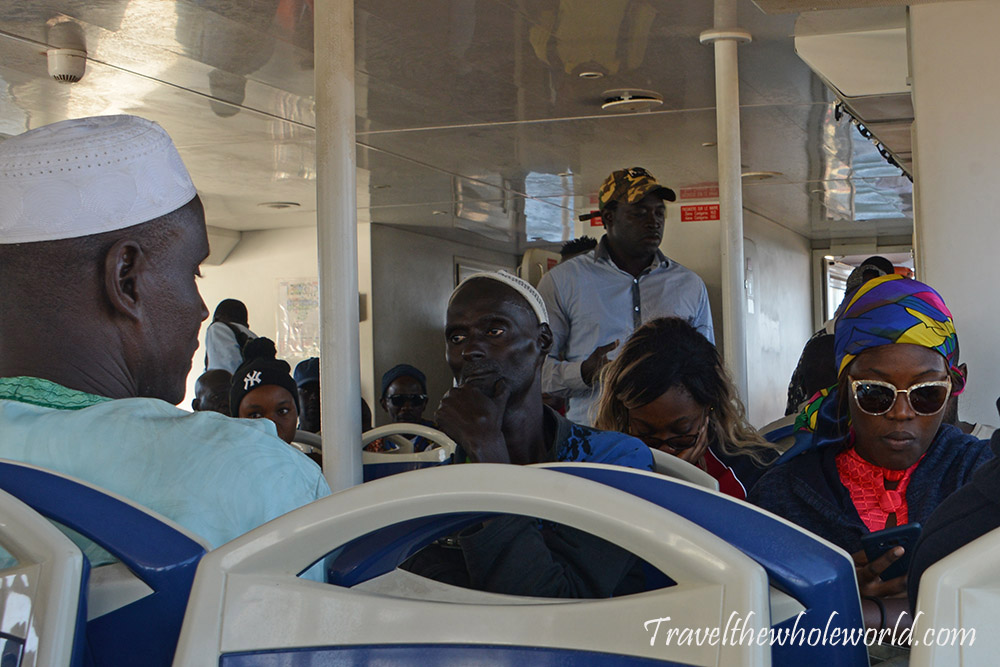
Gorée is only accessible by boat, and since the island has no regular automobile traffic, be prepared to explore almost everything on foot. Fortunately, it’s a tiny island and walking is part of the experience. The ferry from Dakar was fairly modern and comfortable, and multiple departures throughout the day make it easy to visit without much planning. The short ride also gives you a nice view back toward Dakar before arriving at Gorée’s harbor.
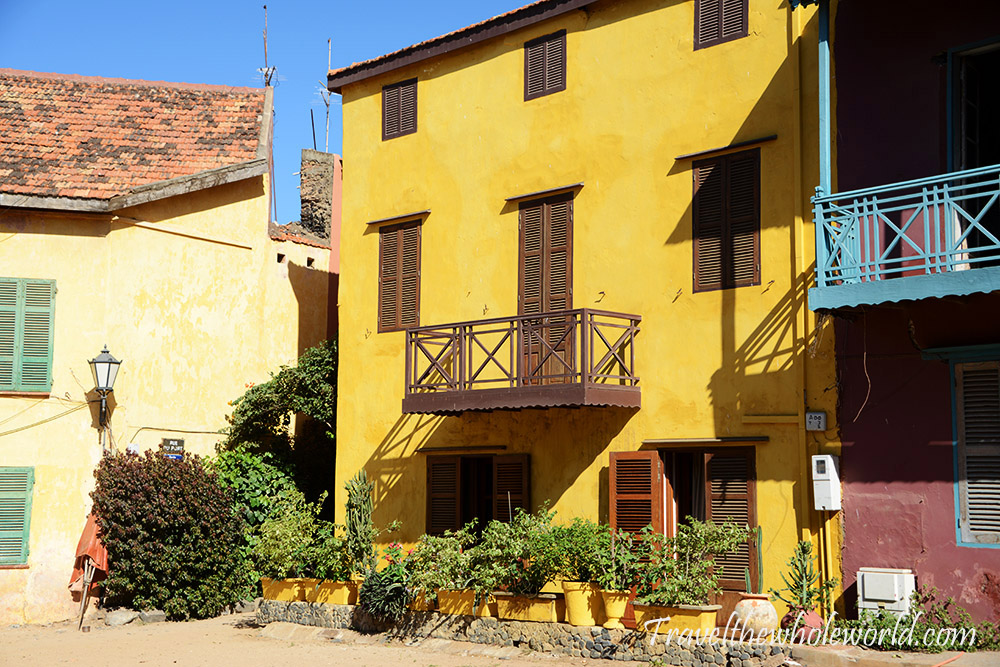
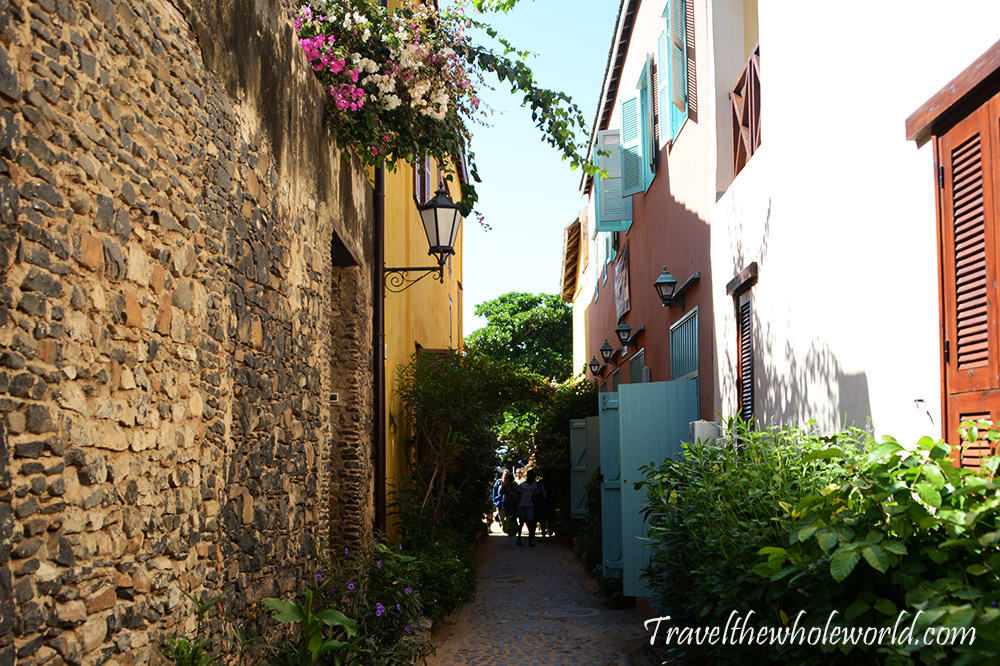
Once you step onto the island, you’ll feel a world away from the crowded streets of Dakar. Colorful colonial buildings line narrow pedestrian lanes decorated with flowers, old-fashioned lamps, and shaded courtyards. With no cars rushing past, Gorée is an easy place to wander without any particular destination in mind. The architecture and quiet streets make it one of the most beautiful places I visited in Senegal.
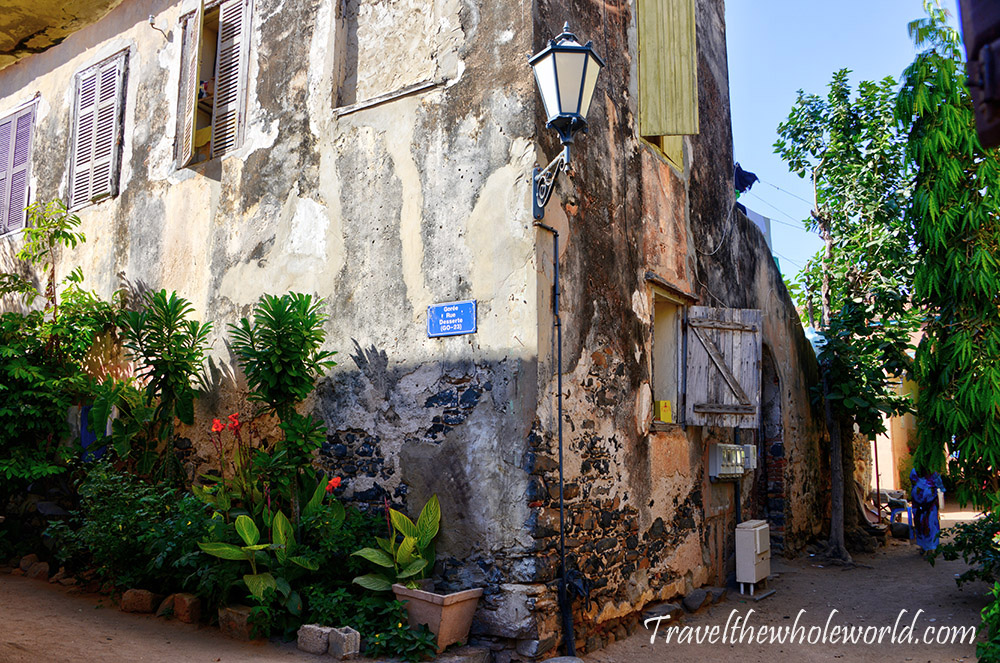
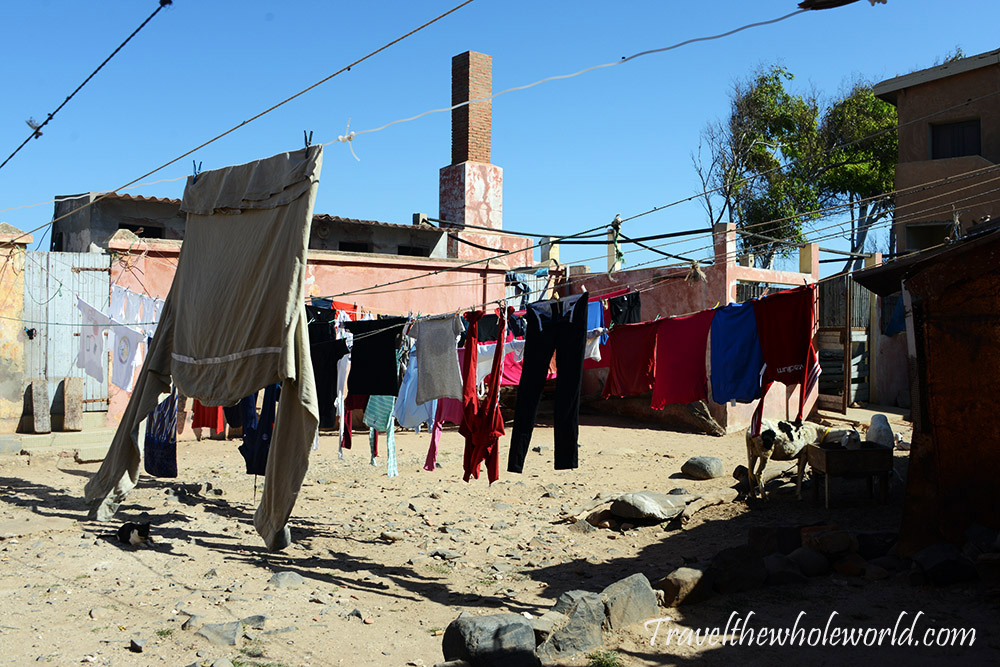
Gorée Island is one of the most popular places to visit in Senegal, so around the harbor you’ll definitely encounter plenty of other travelers. It’s sometimes easy to forget that Gorée is also home to a permanent local population. Walk about ten minutes away from the busiest part of the harbor and the island becomes noticeably quieter. These photos show some of the homes I passed while wandering through the more residential streets.
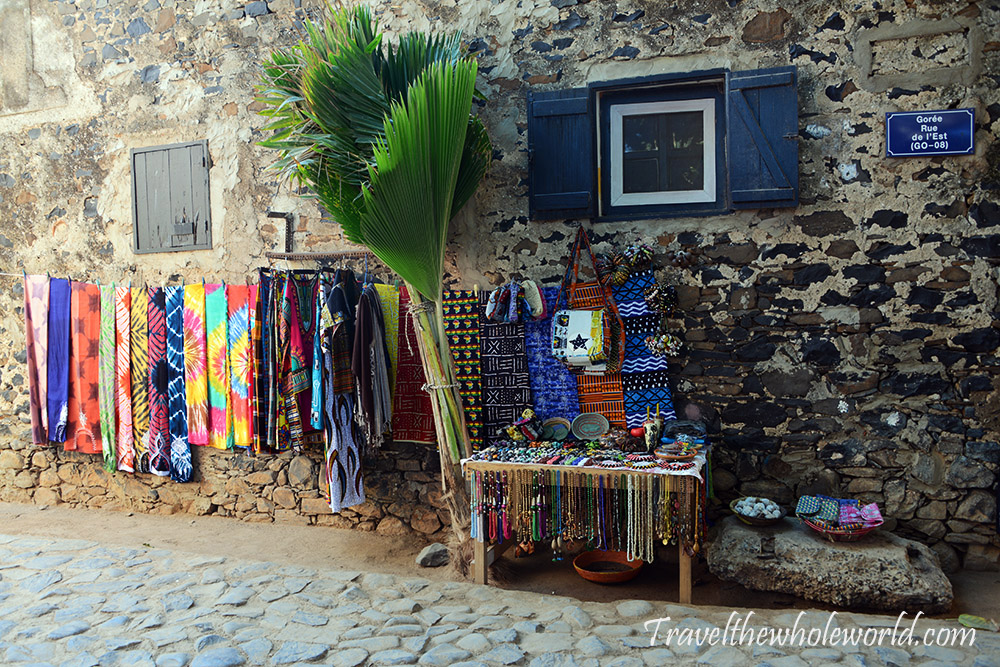
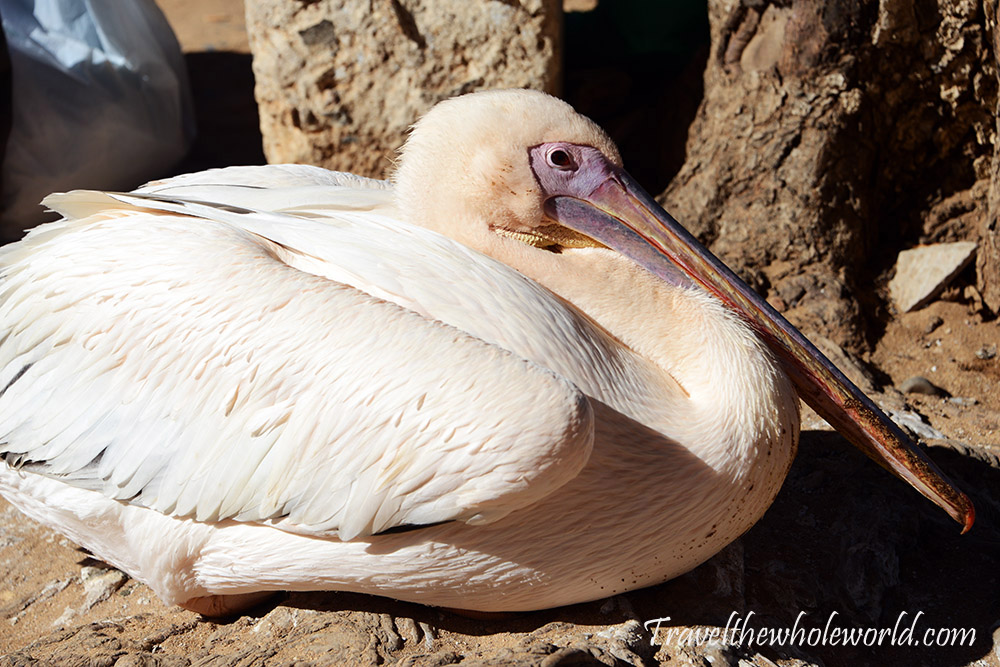
The houses aren’t the only colorful things on Gorée. Vendors sell artwork, textiles, clothing, jewelry, and all kinds of souvenirs along the streets. There are also several small hotels and guesthouses, along with seafood restaurants clustered near the harbor. I wish I had taken more photos of the restaurants themselves, but apparently this pelican was more interesting to me at the time. He had absolutely no fear of people, so I assume hanging around the restaurants had taught him that tourists and seafood usually meant an easy meal.
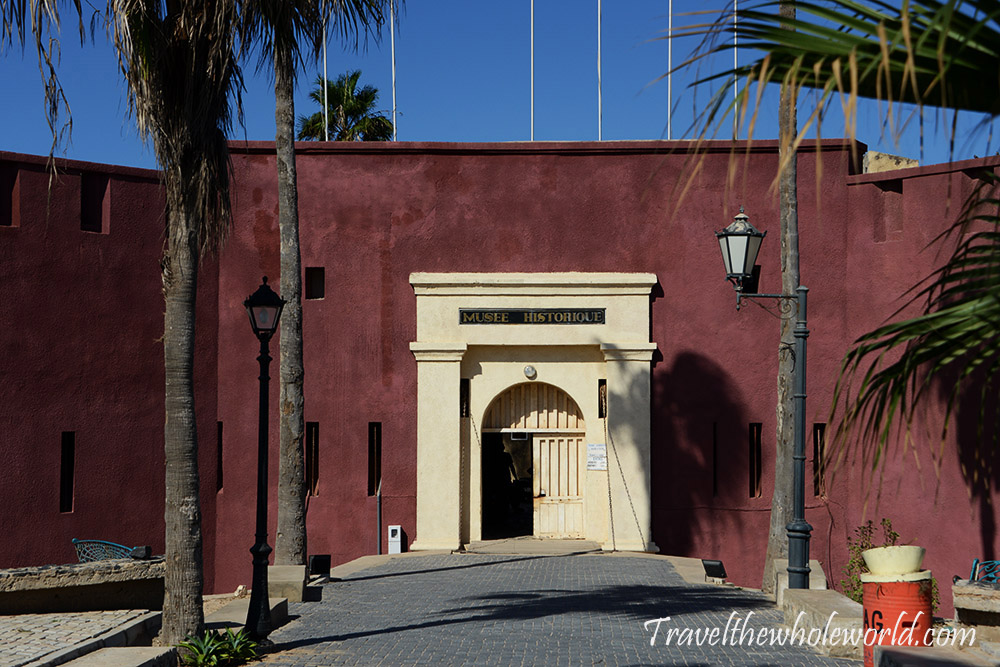
Photographed above is one of Gorée’s museums. For whatever reason, I decided not to go inside and spent my time exploring outdoors instead. It’s something I regret now, especially considering how much history is packed onto such a small island. I enjoyed wandering the streets, but on a return visit I’d definitely make more time for the museums and learn more about Gorée beyond what can be seen from the outside.
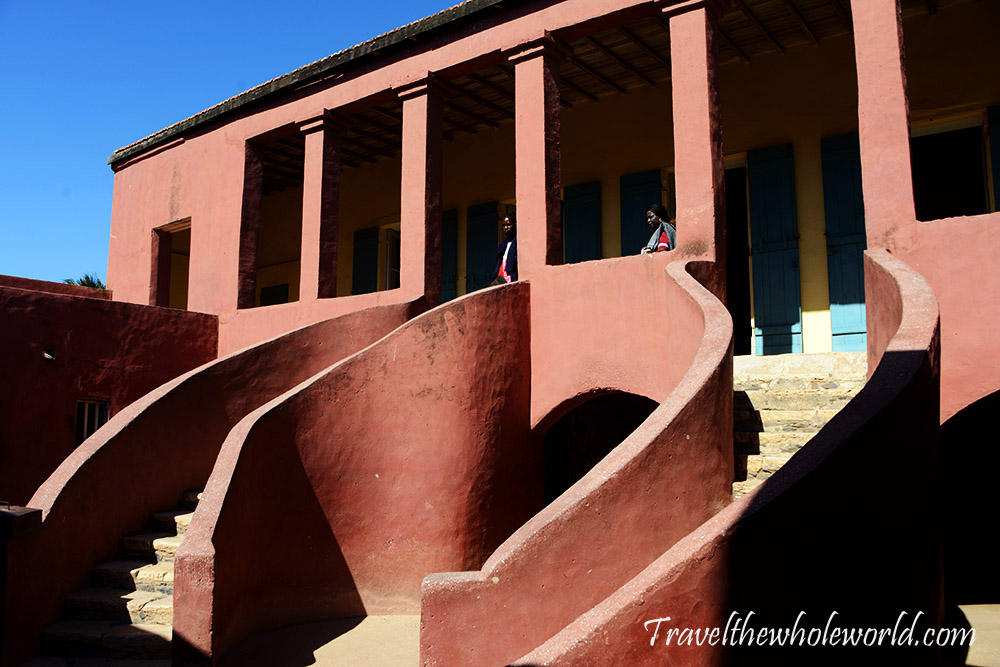
I did make sure to visit the House of Slaves, one of the island’s most famous and solemn historic sites. There has been considerable debate among historians over exactly how large a role Gorée played in the transatlantic slave trade. The island unquestionably participated in the trade, although modern research has challenged older claims that enormous numbers of enslaved Africans passed specifically through this building or through Gorée itself. Regardless of those debates over scale, the island remains an important place for understanding and remembering the Atlantic slave trade and its impact on millions of people.
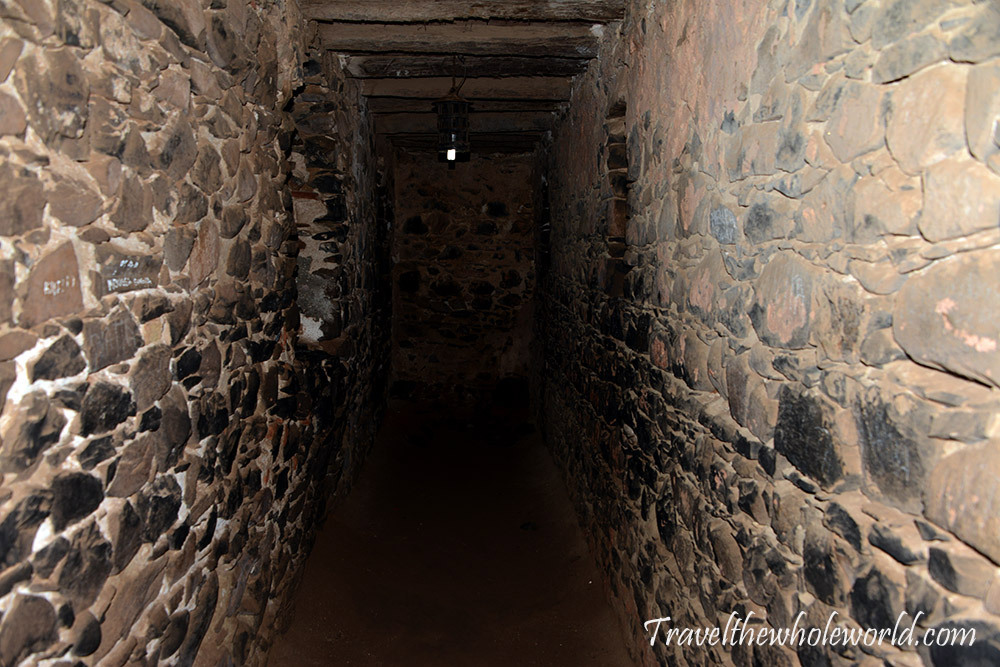
Today the House of Slaves serves as a museum and memorial. Walking through its dark stone rooms and narrow corridors is a dramatic change from the colorful streets outside. The building preserves the memory of people who were imprisoned and sold through the slave trade, while exhibits provide more information about the much larger system that operated along the West African coast and across the Atlantic.
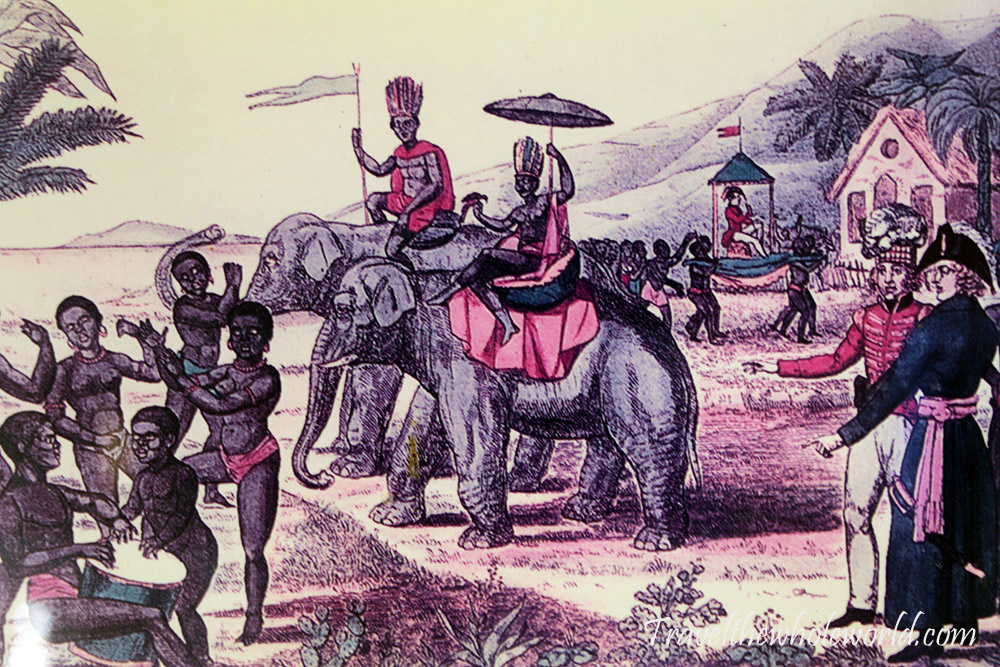
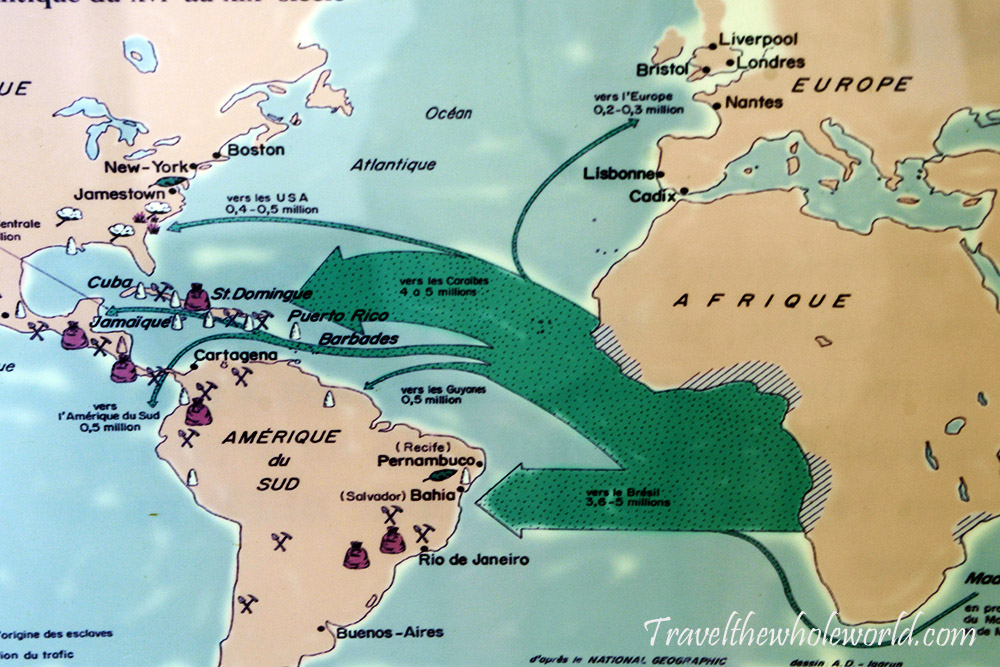
By this point in my travels I had already visited more than a dozen memorials and historic sites connected to slavery, yet it’s still difficult to comprehend the scale and brutality of the transatlantic slave trade. The museum explains how enslaved people were captured or purchased through networks operating across West Africa before being taken to coastal trading centers and sold to European merchants. From there, millions were transported across the Atlantic under horrific conditions. The image above depicts part of that trade, while the map below illustrates the enormous geographic reach of the system and the destinations where enslaved Africans were taken.
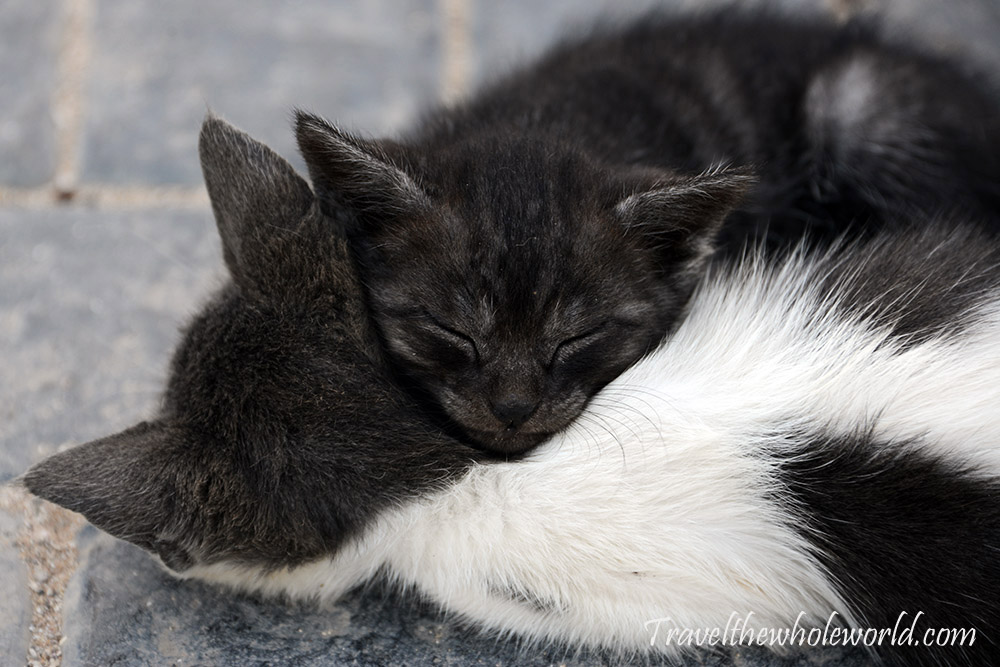
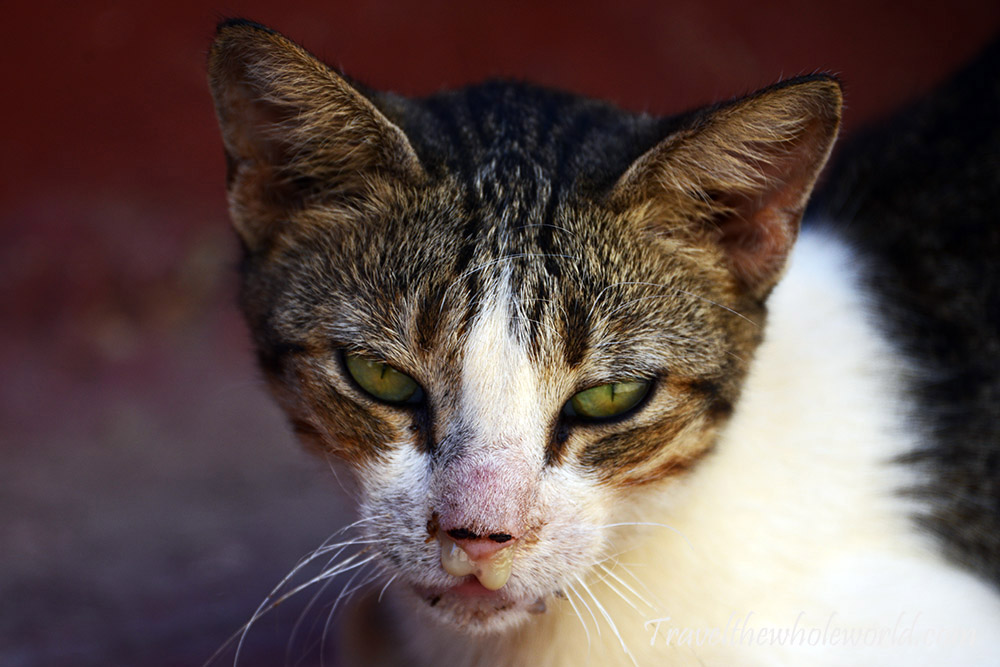
After all that heavy history, my final two photos show some of Gorée’s less serious residents. I swear there were moments when it seemed like the island had more cats than people. It was difficult to walk a block without spotting at least one, and sometimes there seemed to be cats everywhere. Most looked young and healthy, including the two peacefully sleeping above. The one below wasn’t having quite as good a day and seemed to be suffering from a very stuffy nose. As someone who spent much of my childhood dealing with the same problem, all I can say is I understand!
Explore More of Senegal
Dakar • Goree Island