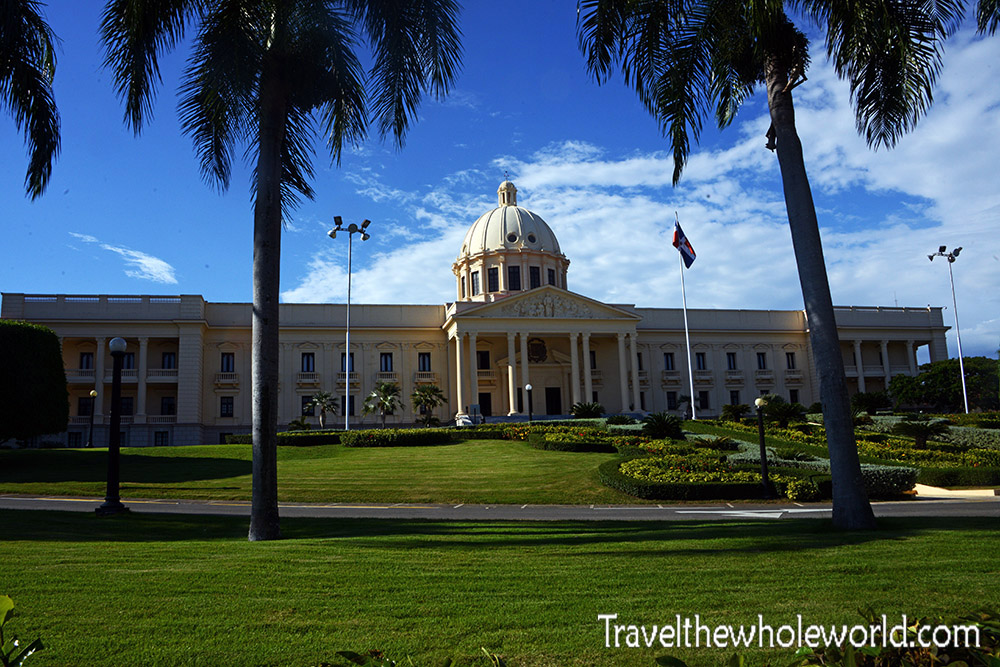
Santo Domingo is one of the oldest European-founded cities in the Americas and the capital and largest city of the Dominican Republic. The first settlement was established on the eastern side of the Ozama River in the 1490s, and Bartholomew Columbus, the younger brother of Christopher Columbus, founded Santo Domingo in 1498. After a hurricane, Governor Nicolás de Ovando moved the city to the western bank of the river in 1502 and laid out much of the colonial city that survives today. :contentReference[oaicite:1]{index=1}
I only spent a few days in Santo Domingo, so I definitely don’t feel like I explored the Dominican Republic properly. Fortunately, it’s relatively easy to reach from the United States, so this is a country I fully expect to return to.
The first photograph shows the National Palace in the heart of the city.
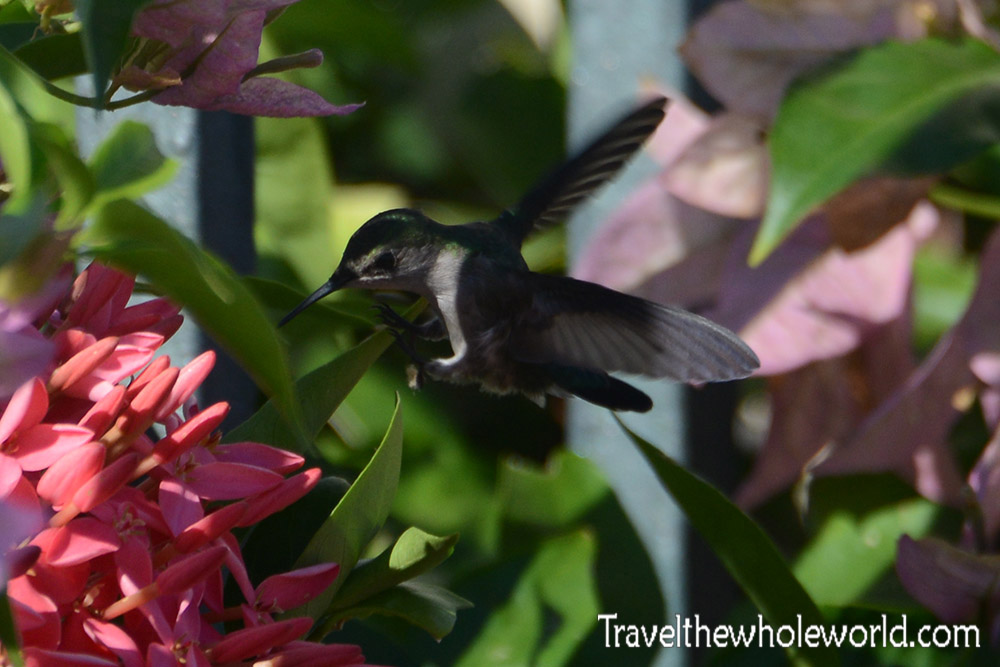
I also managed to photograph this tiny hummingbird nearby, which was a nice unexpected wildlife encounter in the middle of the capital.
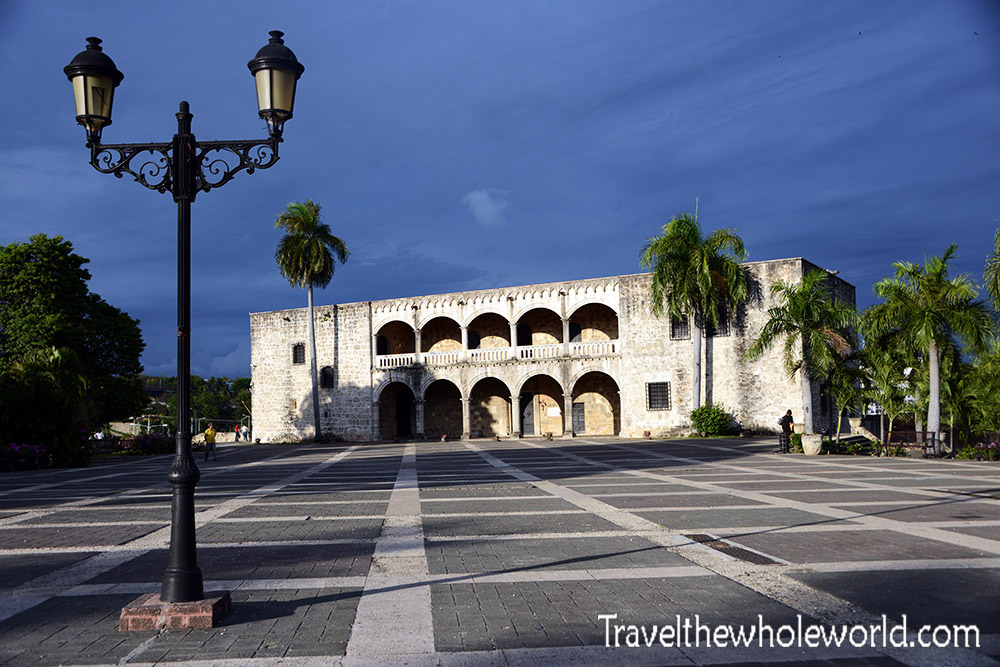
Santo Domingo’s Colonial Zone contains some of the earliest surviving European colonial architecture in the Americas. One of its most famous buildings is the Alcázar de Colón, the residence associated with Diego Columbus, the eldest son of Christopher Columbus.
Diego arrived in Santo Domingo in 1509 as governor of Hispaniola, and the palace became the center of his household and colonial administration. The original residence contained dozens of rooms, although only part of the structure survives today. :contentReference[oaicite:2]{index=2}
The Alcázar witnessed some remarkable early colonial history. Diego Columbus and his wife María de Toledo hosted prominent members of the Spanish colonial elite here, and expeditions into other parts of the Caribbean and the Americas were connected with the government centered in Santo Domingo.
In 1586, the English privateer Francis Drake captured Santo Domingo. The Alcázar was already past its greatest period by then, but accounts indicate that Drake’s occupation caused further damage or loss of valuables from the old residence. :contentReference[oaicite:3]{index=3}
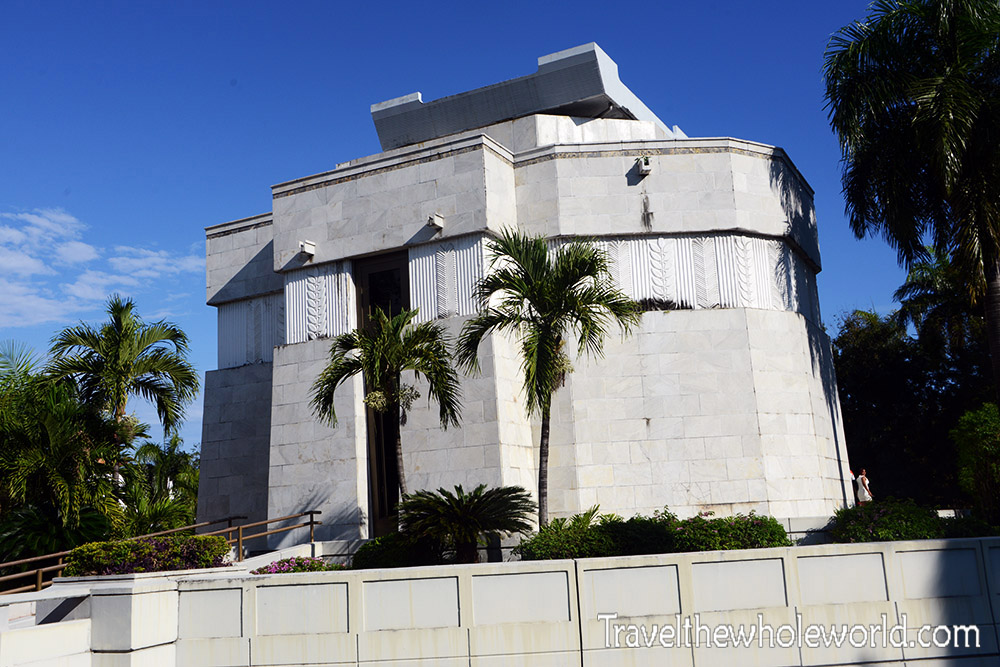
Like always, one of my favorite things to do was simply start walking and see where I ended up. This monument commemorates Dominican independence.
The country’s path to independence was much more complicated than I originally understood. A short-lived declaration of independence from Spain occurred in 1821, but the eastern part of Hispaniola soon came under Haitian rule. The Dominican Republic’s national independence is dated to February 27, 1844, when Dominican revolutionaries declared independence from Haiti. :contentReference[oaicite:4]{index=4}
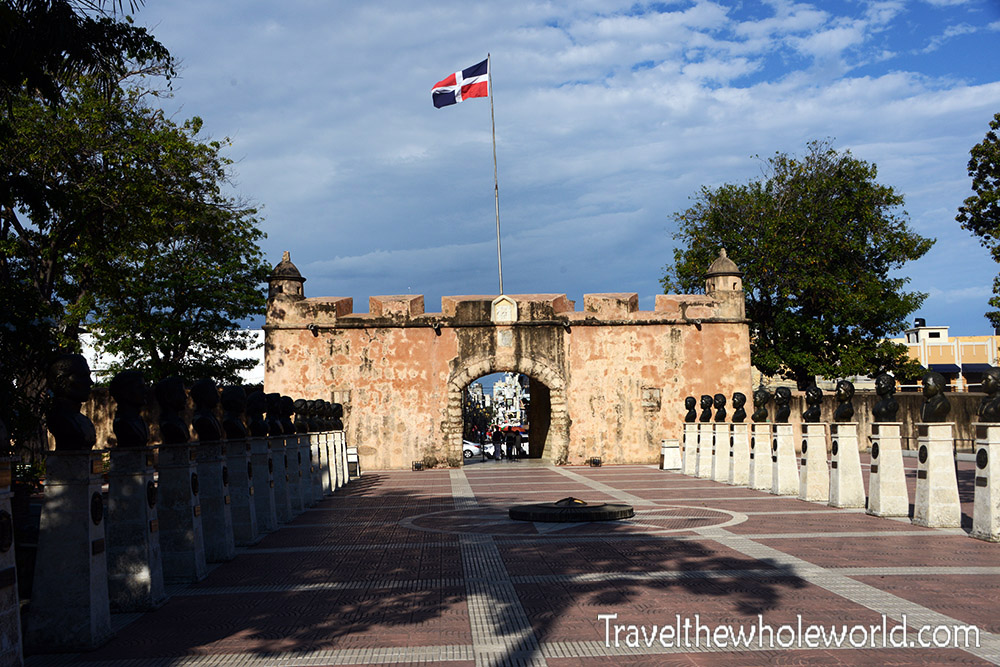
The old city still preserves sections of its defensive walls and gates, reminders that Santo Domingo was once a fortified colonial city.
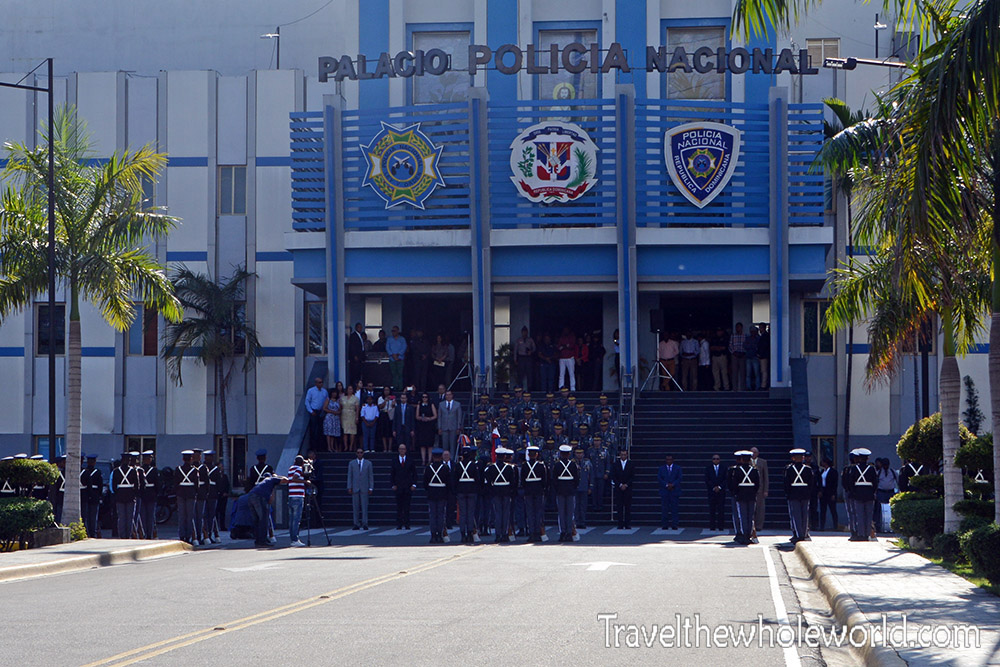
I stayed in Santo Domingo for a few days and usually walked almost everywhere. One day I passed a police facility where some kind of large ceremony was taking place. The media was present and a small crowd had gathered outside the gate, so it definitely didn’t seem like an ordinary day.
I never figured out exactly what the ceremony was about, but it was one of those random things you come across only because you’re exploring on foot.
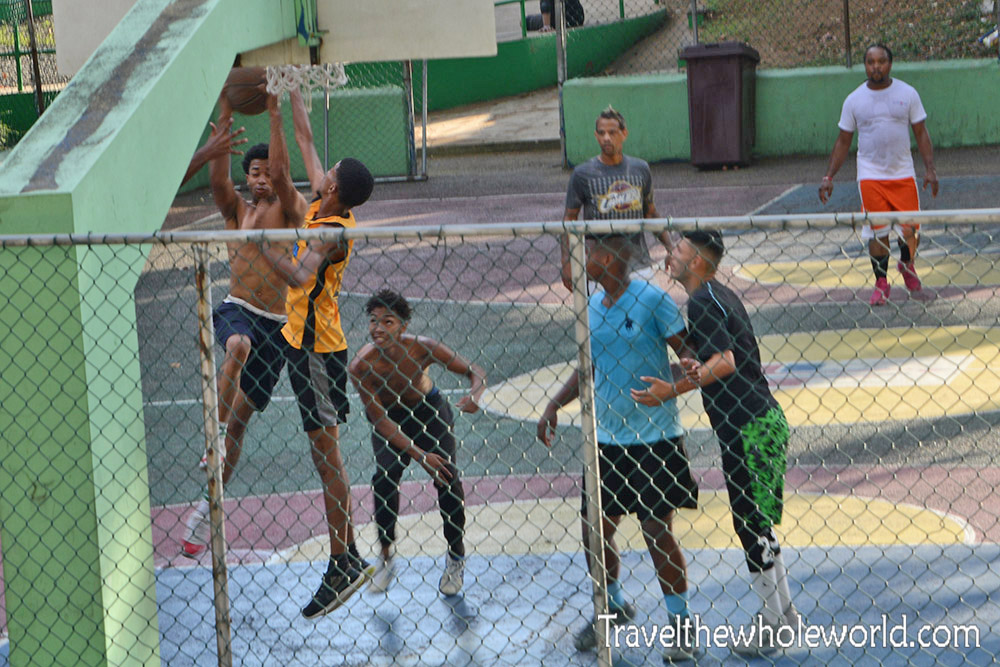
Elsewhere in the city I passed these kids playing basketball in the neighborhood.
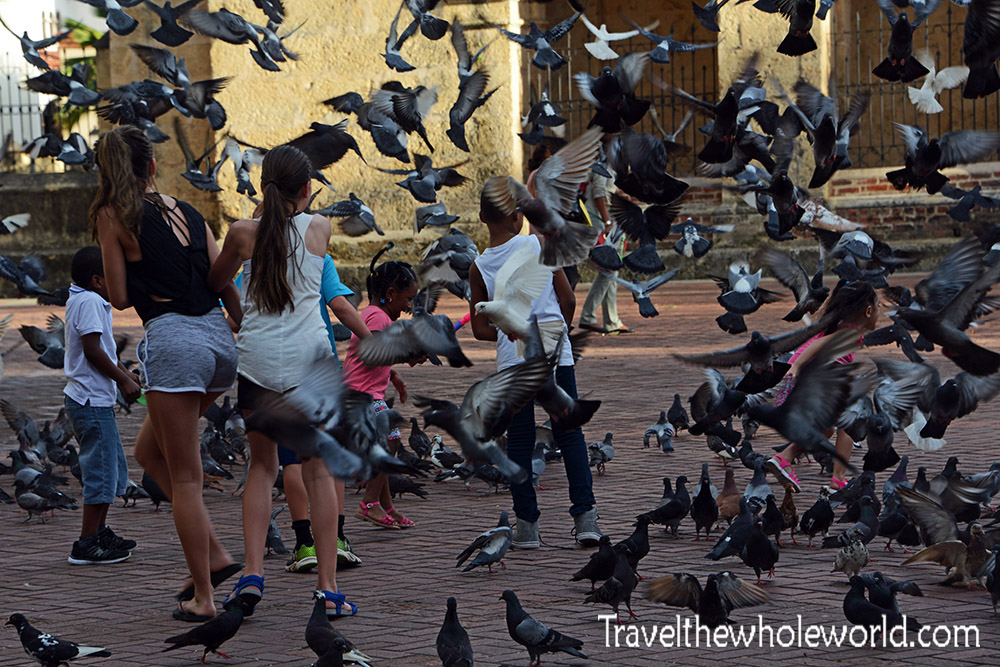
One of the liveliest places in the Colonial Zone is Parque Colón, or Columbus Park. The plaza is surrounded by historic buildings, restaurants and pedestrian streets, with vendors, tourists and plenty of pigeons filling the square.
A statue of Christopher Columbus stands prominently in the center. I photographed it too, but apparently not well enough to make the website.
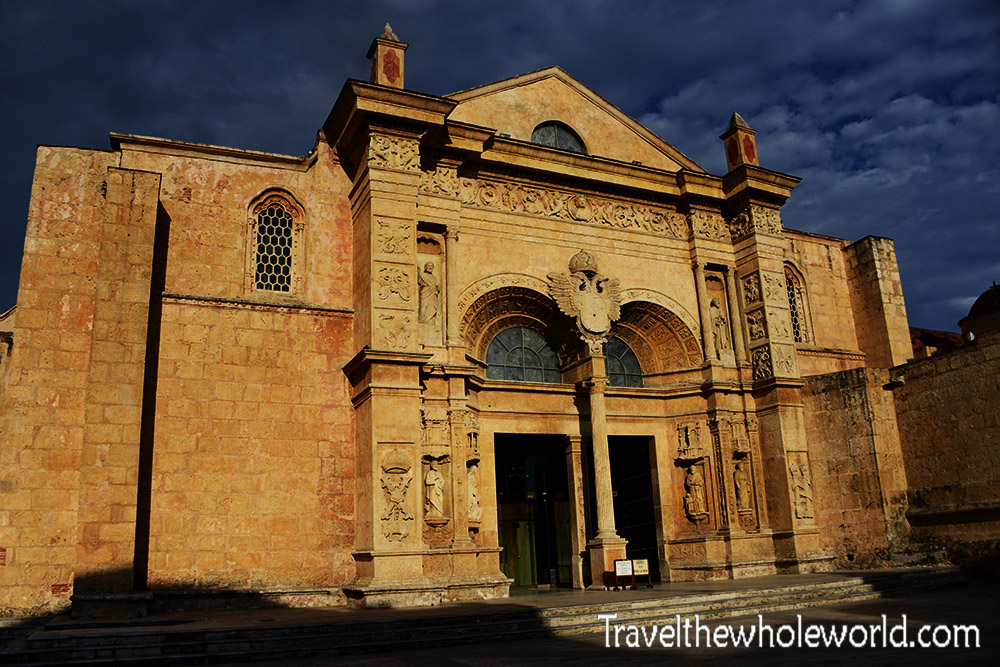
Facing Parque Colón is one of Santo Domingo’s most important historic buildings, the Cathedral of Santa María la Menor, also known as the Catedral Primada de América.
It is recognized as the first cathedral built in the Americas and forms part of Santo Domingo’s UNESCO-listed Colonial City. Construction began during the early 16th century, and the building that survives today developed over several decades. :contentReference[oaicite:5]{index=5}
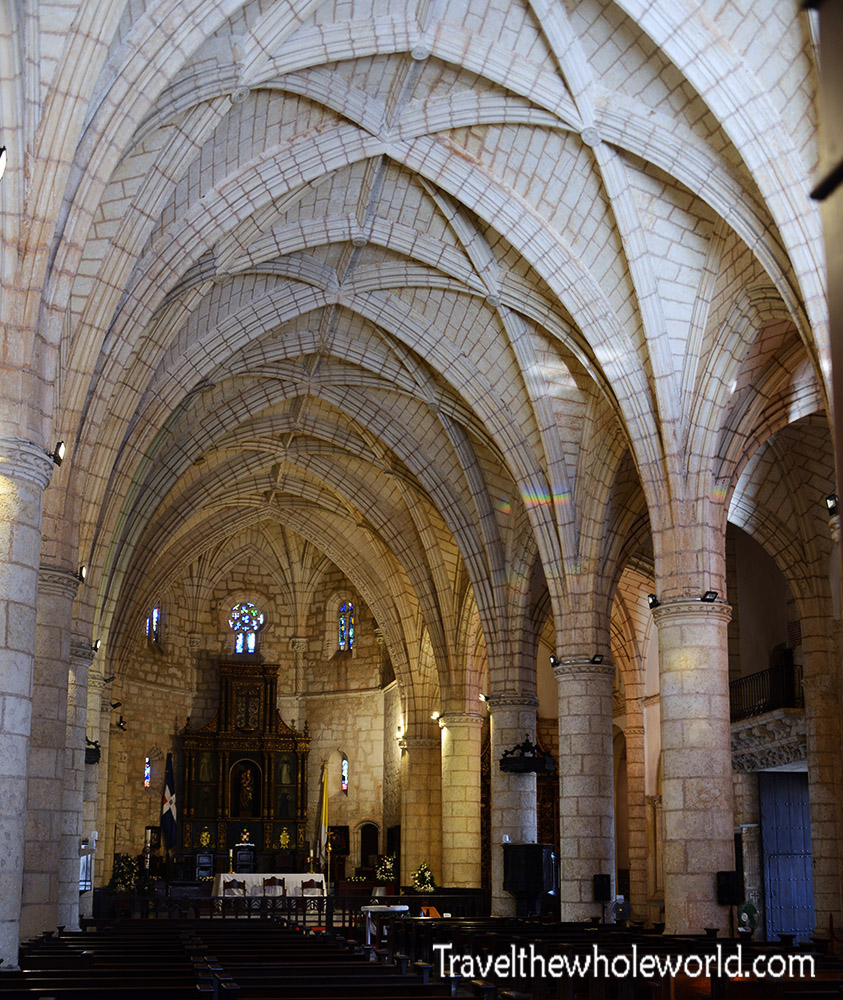
Standing inside a cathedral built during the earliest decades of European colonization in the Americas made the history feel much closer than simply reading dates from a plaque.
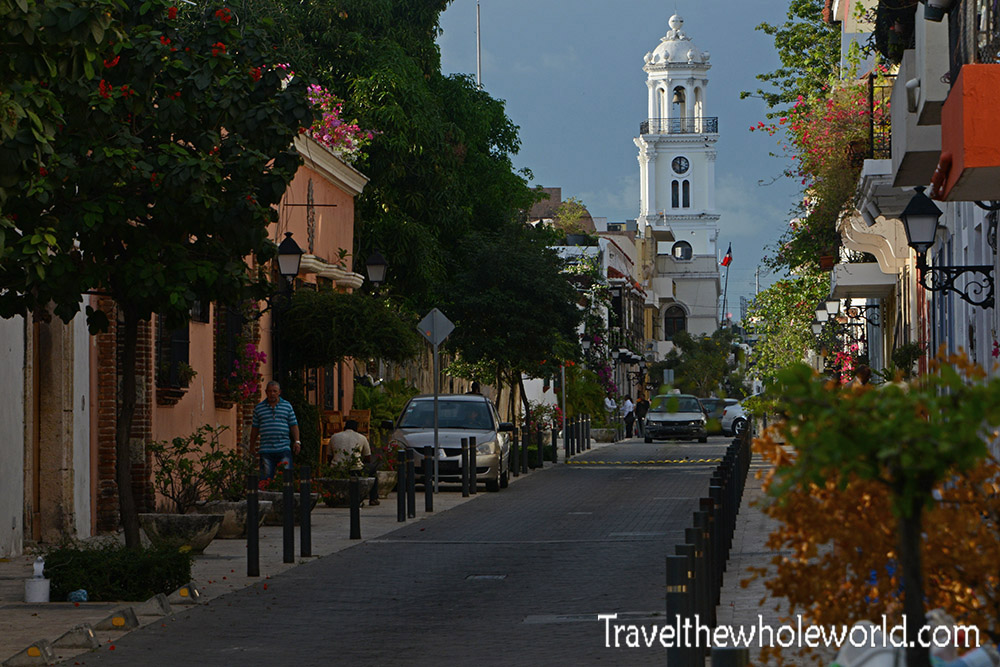
I only scratched the surface of Santo Domingo. Most of my time was concentrated in the historic center, officially known as the Colonial City or commonly called the Zona Colonial.
This was the first permanent European colonial city established in the Americas, and its street grid became influential in the planning of later Spanish colonial cities throughout the region. :contentReference[oaicite:6]{index=6}
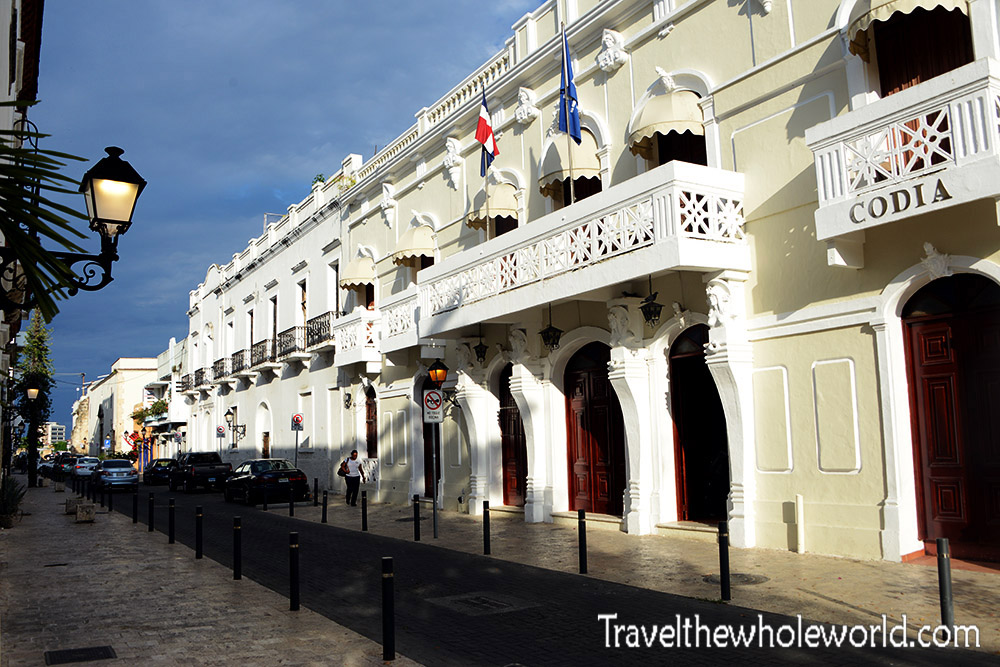
The Colonial Zone is packed with historic architecture, restaurants, plazas and narrow side streets. I liked simply wandering around without any particular destination and seeing what I found.
This street was one of my favorite scenes from the trip.
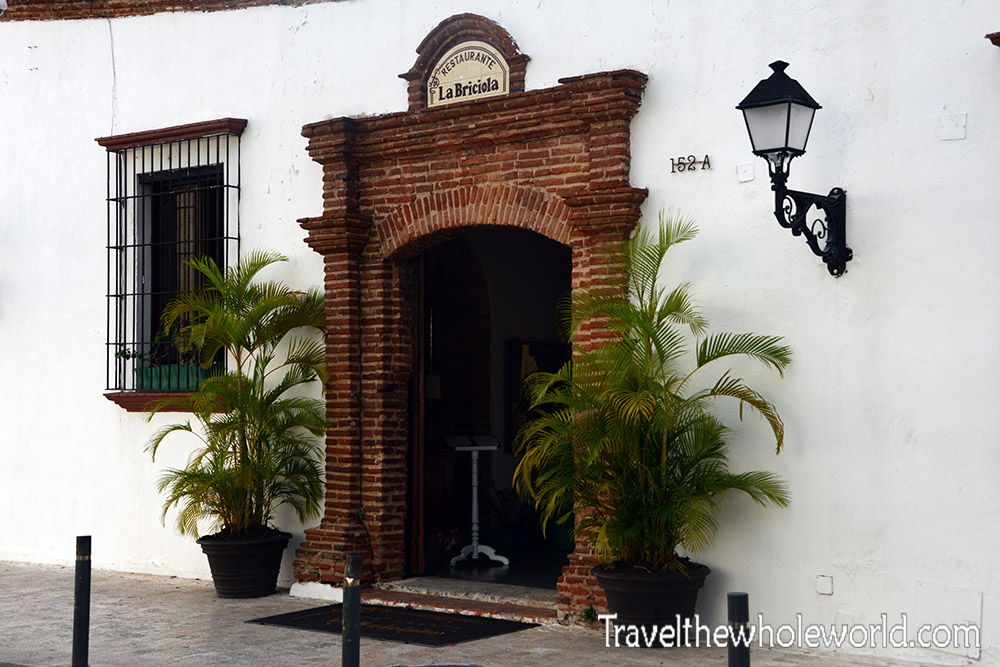
This restaurant looked a little too fancy for me to walk into by myself, so I settled for taking a picture instead.
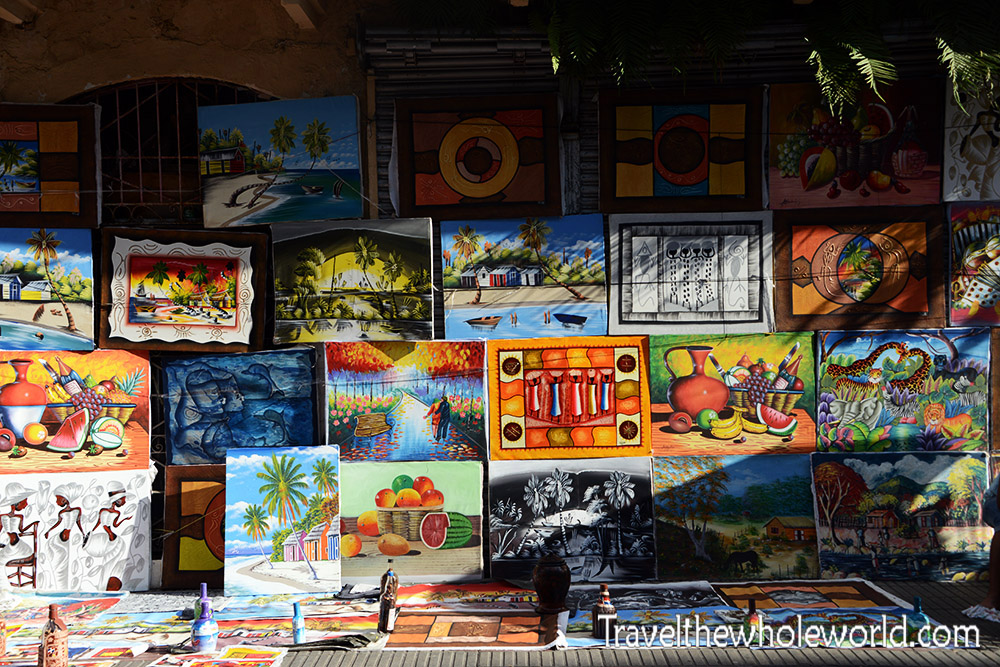
My final photographs are also from the Colonial Zone. I came across plenty of colorful artwork for sale along the streets.
I had seen similar styles of street art and paintings while traveling in neighboring Haiti, which I found interesting given how different the two countries can feel in language, history and everyday life. Sharing the same island has still produced plenty of cultural connections alongside those differences.
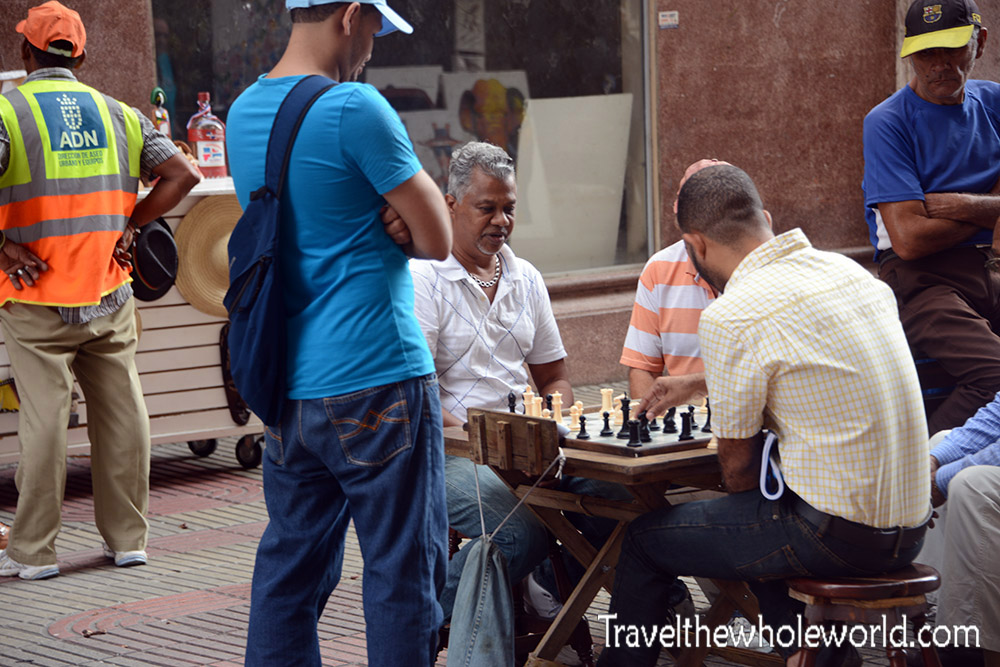
And finally, I couldn’t resist photographing these guys playing chess right out on the street.
For such a short visit, Santo Domingo gave me far more history than I expected. Between the Colonial Zone, the early Spanish architecture and the everyday street life, I left knowing I had barely begun exploring the Dominican Republic.
Explore More of the Dominican Republic
Santo Domingo