Like many visitors, I used Rapid City as my base before continuing into the Black Hills. The city is less than an hour from Mount Rushmore and within easy reach of many of western South Dakota’s other major attractions, making it a convenient place to stay while exploring the region.
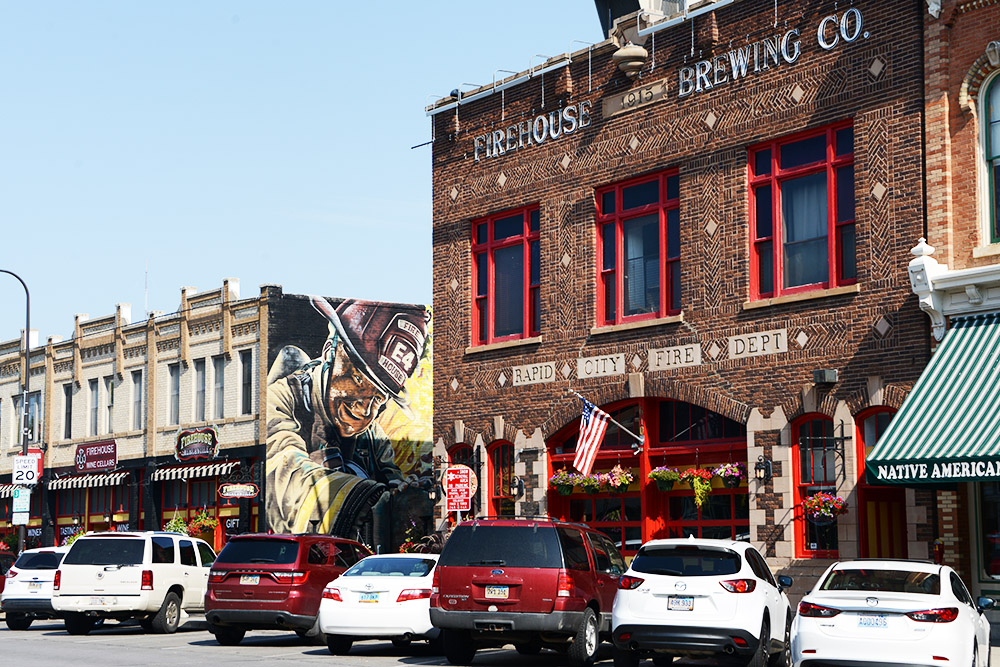
I started in downtown Rapid City, where the photograph above shows the historic Firehouse Brewing Company. I regret not stopping for a drink while I was there. Next time!
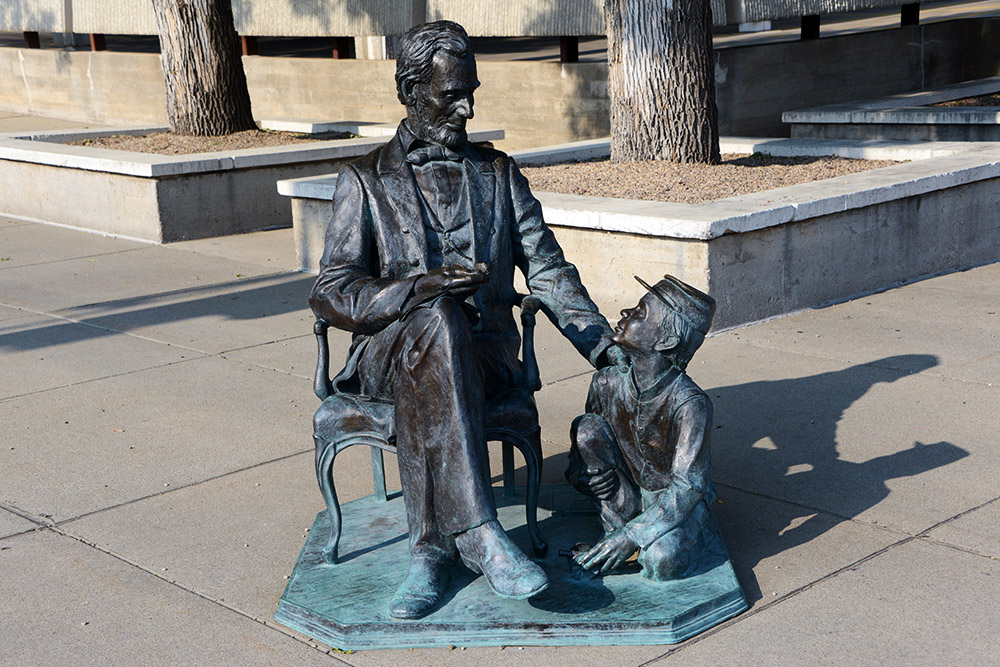
This was actually my first photograph in Rapid City. Downtown is known for the City of Presidents, a collection of life-size bronze statues of American presidents placed along the sidewalks and street corners. Abraham Lincoln just happened to be the first one I encountered.
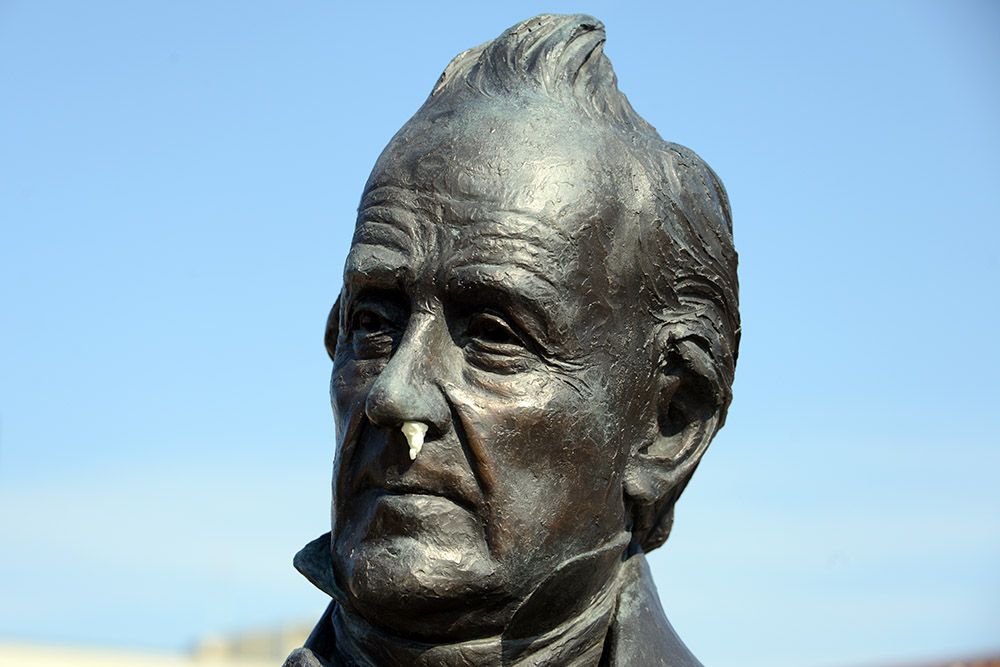
Below is James Buchanan, who someone had decided to decorate with a piece of tissue hanging from his nose. Not exactly the presidential treatment the sculptor probably had in mind.
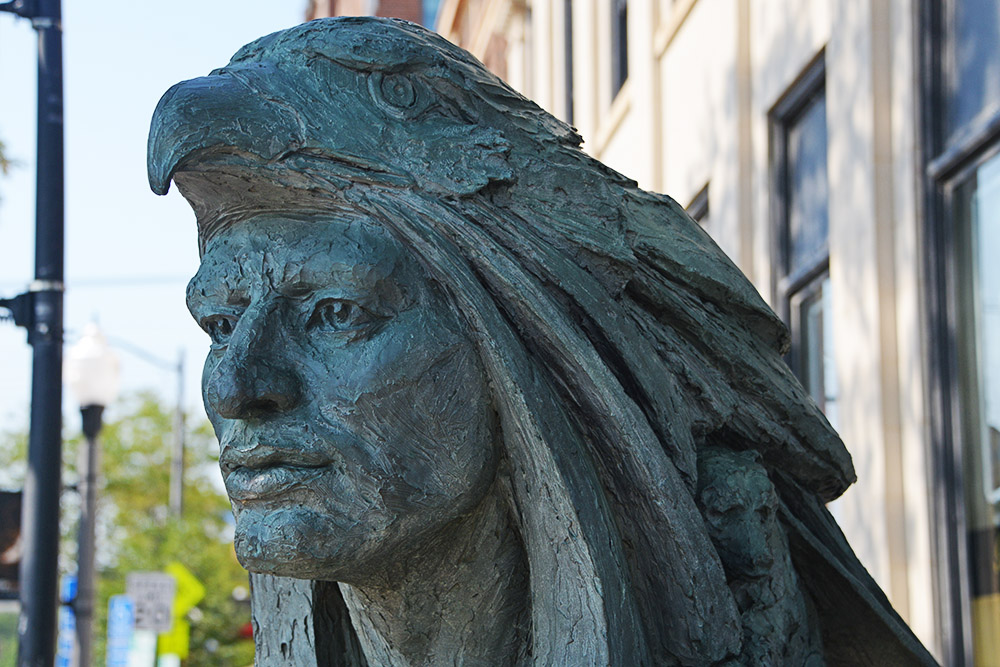
The presidents aren’t the only public sculptures downtown. This one is titled Mitakuye Oyasin, a Lakota expression commonly translated as “All My Relations.” A plaque beneath the sculpture describes it as representing hope for reconciliation, dignity and respect for humanity.
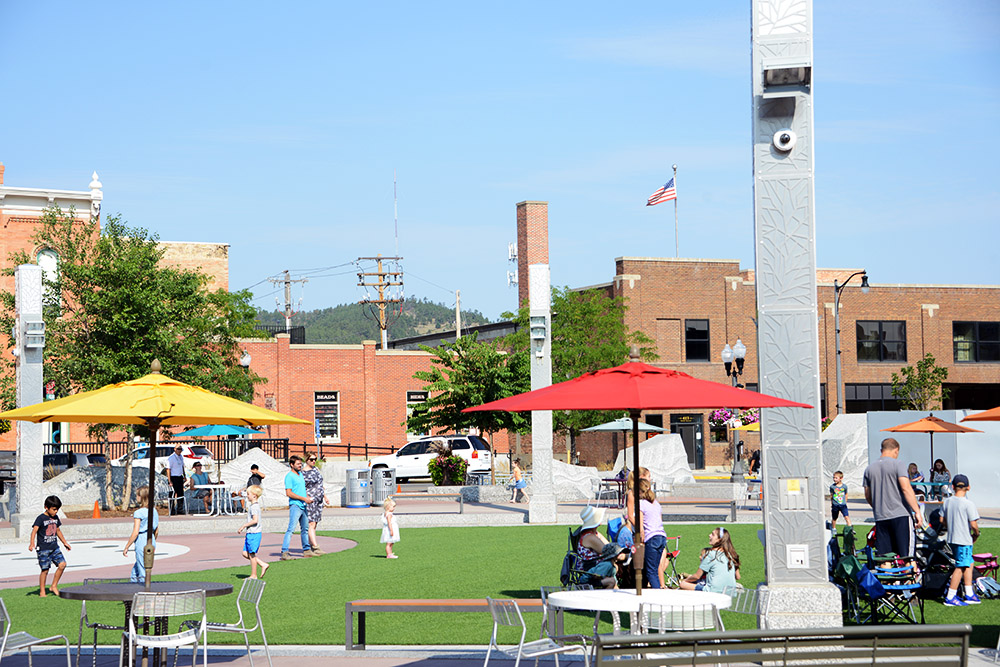
After a short walk I came across a park in the center of the city. Rapid City wasn’t huge, but downtown felt surprisingly lively. Families were out enjoying the weather, kids were playing and a live Christian band was performing while I passed through.
I wish I had taken better photographs because the atmosphere was much better than this picture manages to capture.
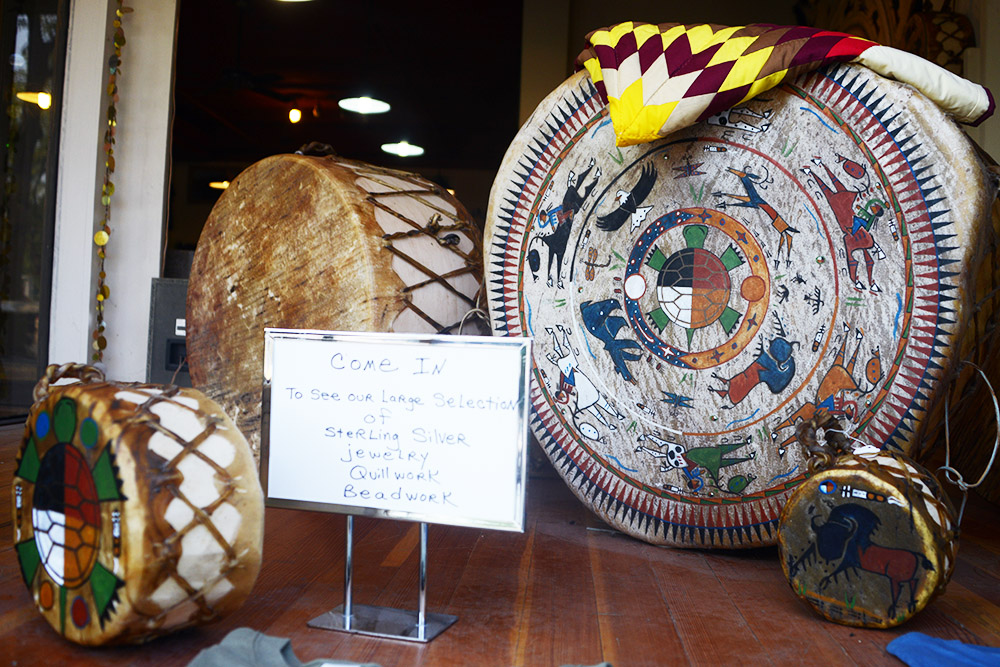
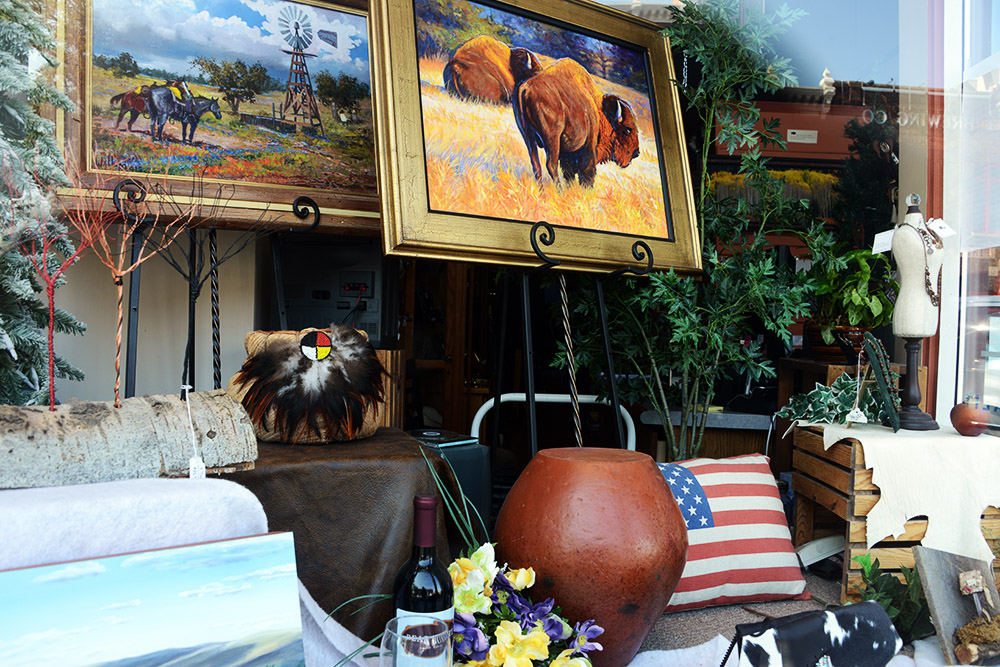
While walking downtown, I was especially interested in the stores selling Native American arts, crafts and souvenirs. There were quite a few of them, and although I normally don’t buy many souvenirs when I travel, maybe I should have made an exception here.
I did at least stop for lunch at one of the cafés and enjoyed nearly perfect weather for an August afternoon.
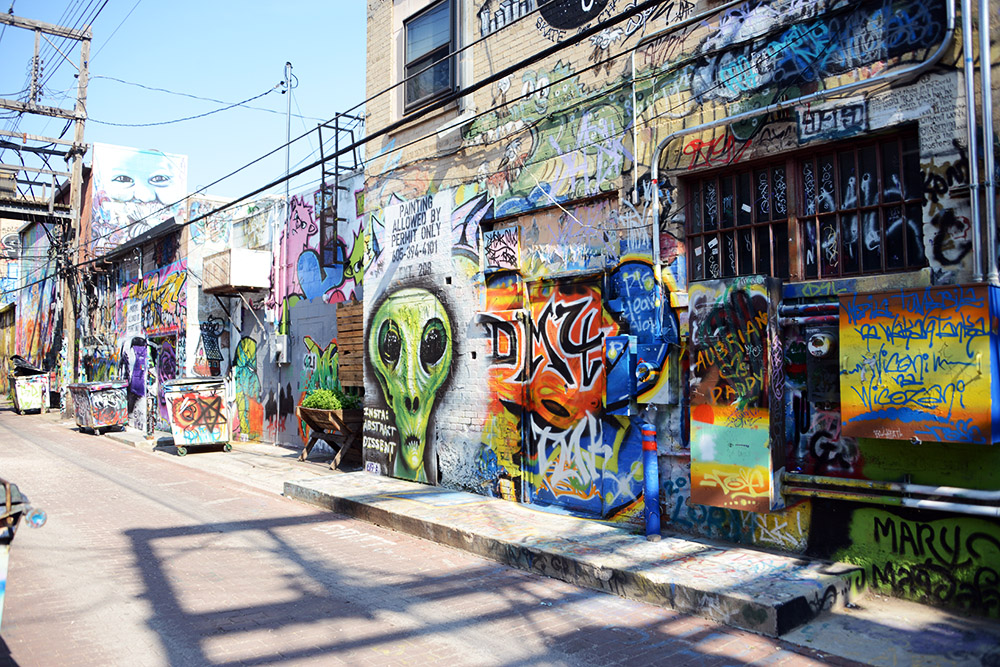
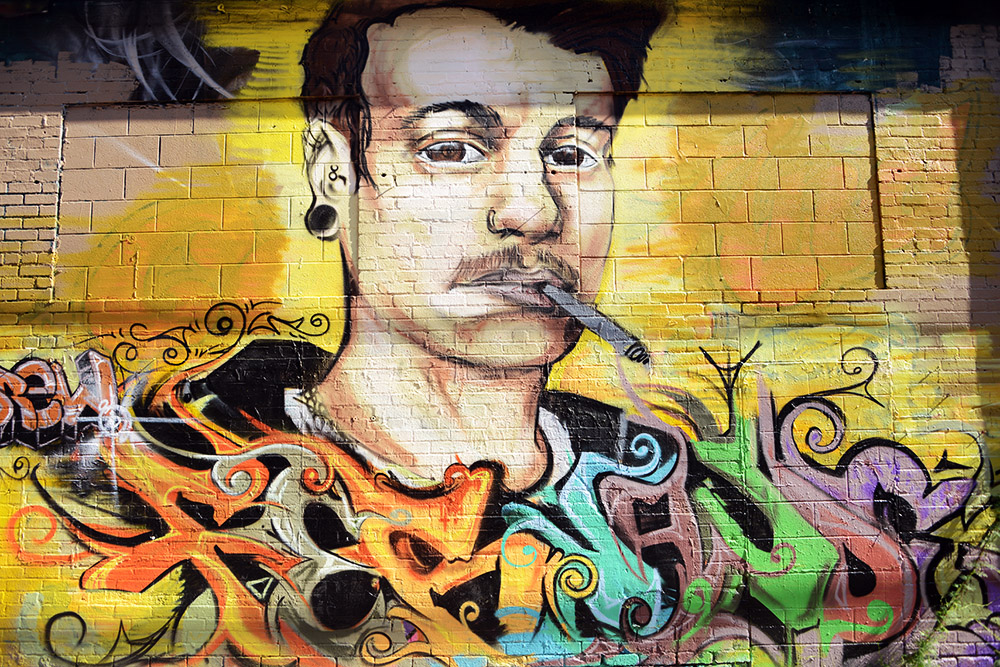
One attraction I hadn’t expected to find was Art Alley. Hidden between buildings downtown, the alley has served as a constantly changing outdoor canvas for artists since 2005. Murals and graffiti cover the walls from one end to the other, and because new artwork regularly replaces older pieces, the alley can look completely different from one visit to the next.
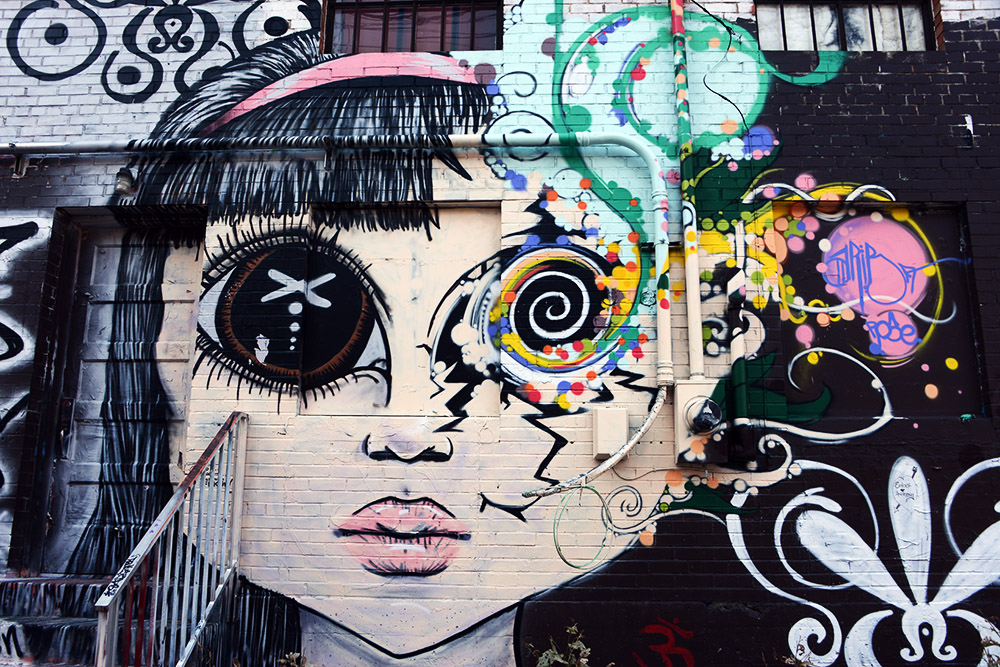
At first I wasn’t particularly impressed with some of the artwork, but the farther I walked, the more interesting it became. Art Alley isn’t enormous, but there’s enough packed into the space that I spent a while exploring it.
The artwork isn’t simply random graffiti either. Painting in the alley has been managed through agreements with property owners and local rules, allowing artists to create their work legally while keeping the constantly changing character of the place.
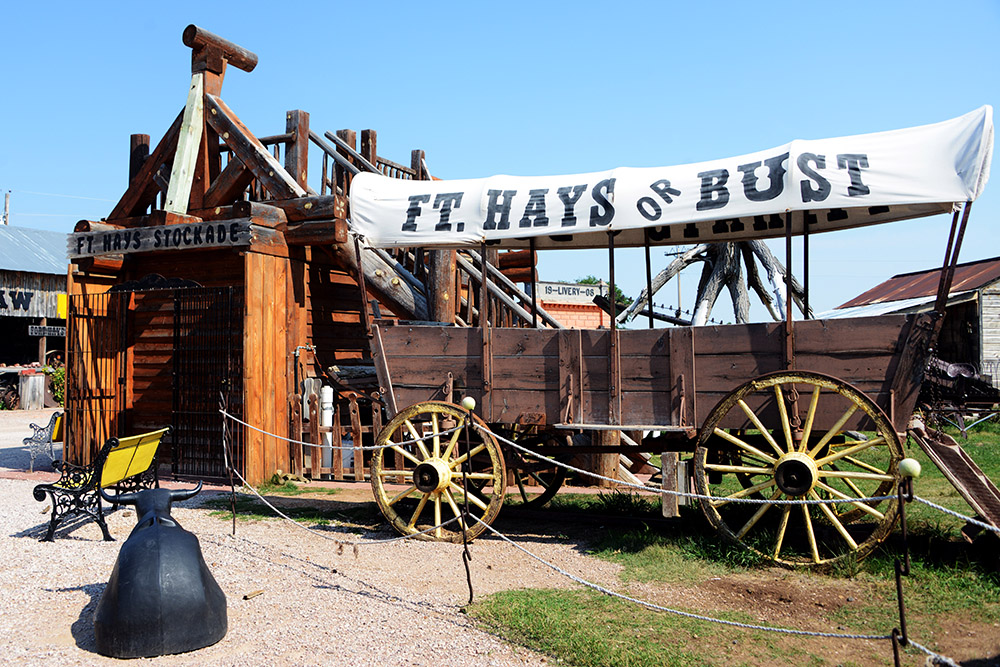
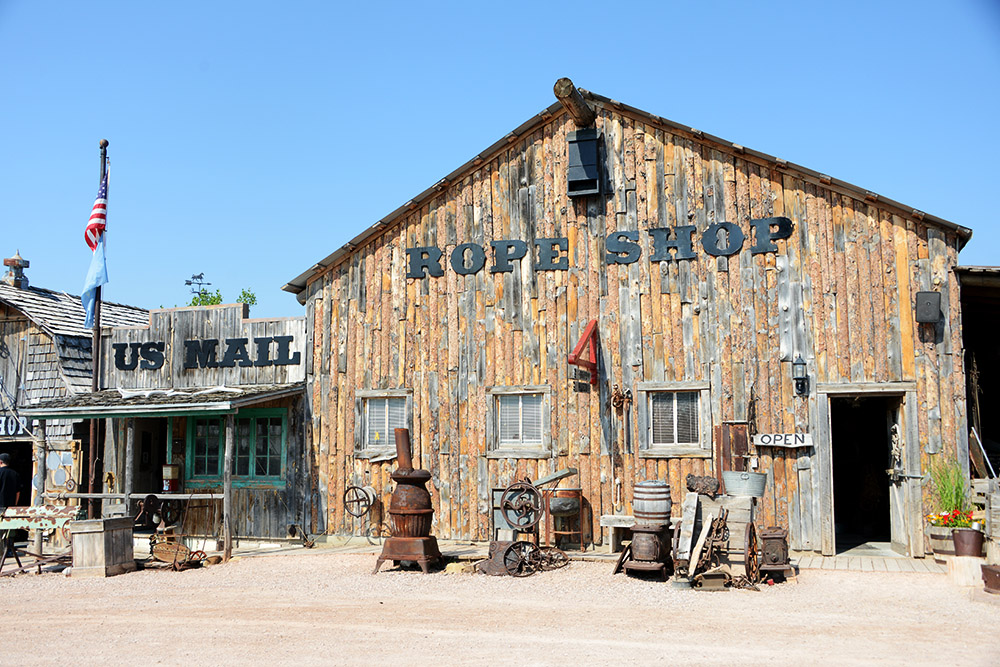
For something much more touristy, I stopped at Fort Hays Old West Town. This isn’t the historic Fort Hays—the actual nineteenth-century military post is in Kansas—but rather an Old West-themed attraction outside Rapid City.
Part of what makes the place interesting is its connection to the movie Dances with Wolves. Several buildings used during production of the film were relocated here and incorporated into the attraction. Today the complex also has shops, food and Old West-themed entertainment.
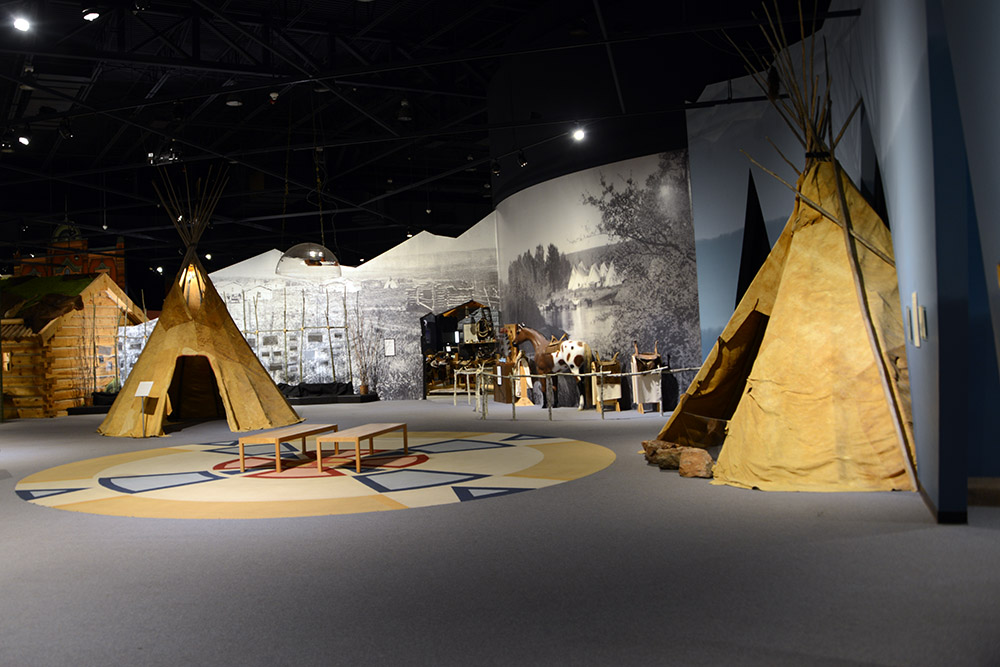
The only museum I visited in Rapid City was the Journey Museum. Its exhibits cover an enormous span of the Black Hills’ history, from geology and paleontology to Native American cultures, European settlement and more recent events.
One exhibit introduced me to the devastating Black Hills Flood of 1972. Embarrassingly, I had never heard of it before visiting the museum. On June 9, 1972, extreme rainfall caused Rapid Creek and other waterways to flood, devastating parts of Rapid City and the surrounding area. The disaster killed 238 people and became one of the deadliest floods in American history.
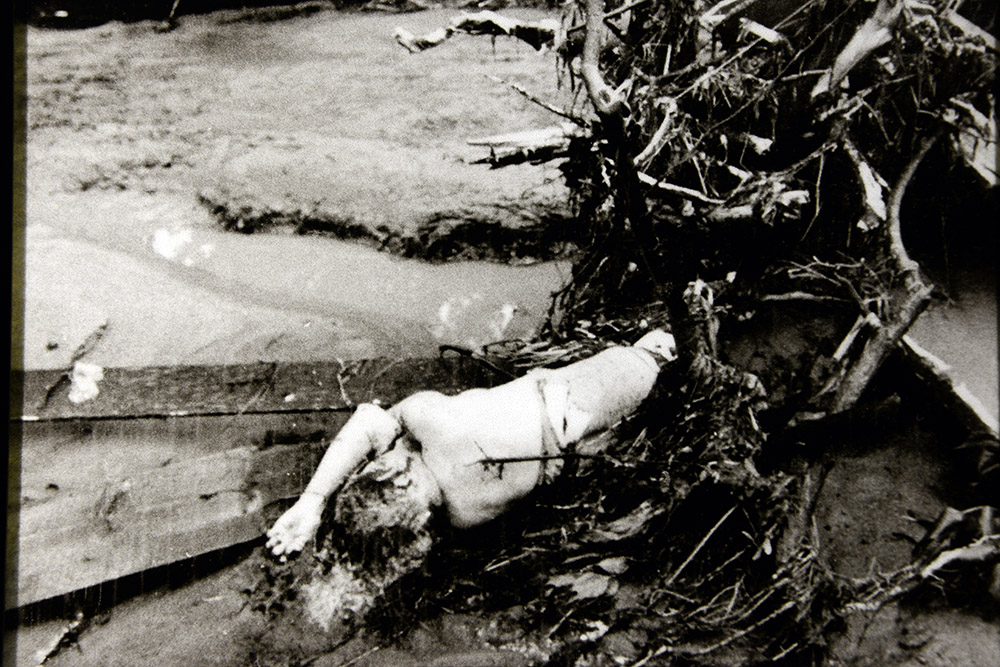
After the disaster, Rapid City changed how it used the floodplain along Rapid Creek. Rather than rebuilding many of the destroyed homes in the most vulnerable areas, much of the land was converted into parks and other open spaces, helping reduce the potential consequences of another major flood.
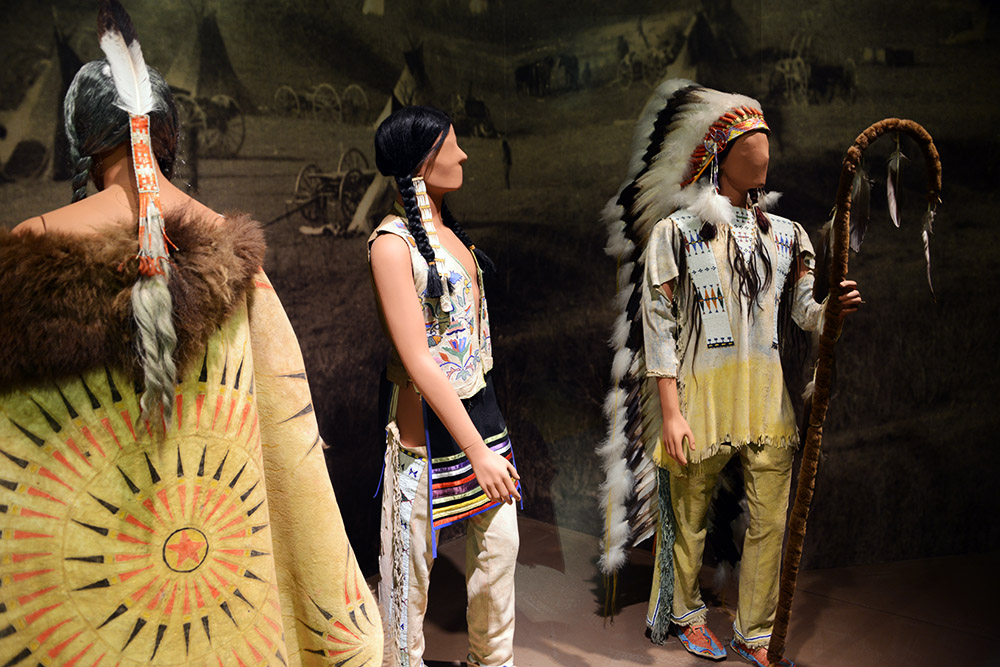
I was especially interested in the museum’s exhibits about the Lakota and other Native peoples of the region. The Wicoti exhibit above described traditional life through hunting, family, ceremonies, relationships with neighboring nations and the responsibilities shared within a community.
One phrase that appeared repeatedly was Mitakuye Oyasin—”All My Relations”—the same expression I had encountered earlier on the sculpture downtown. It reflects the idea of interconnectedness among people, other living things and the wider world.
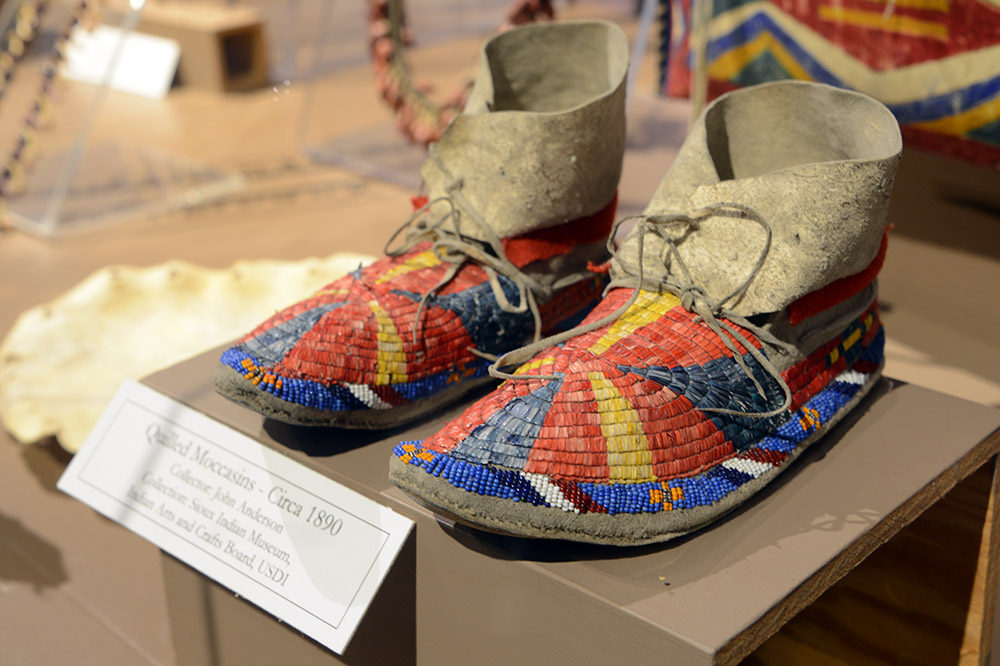
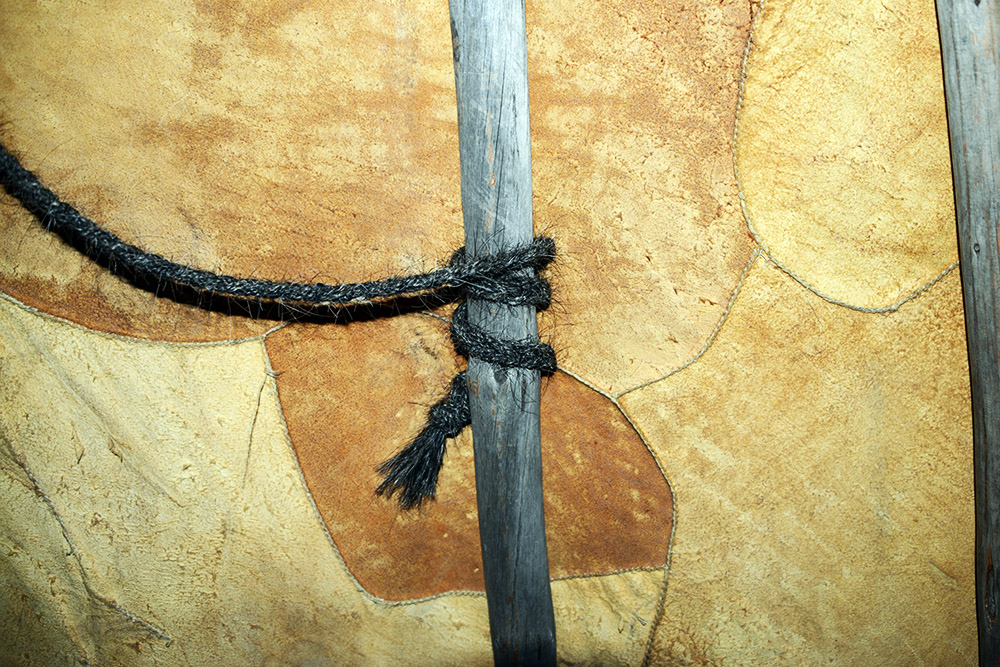
Other exhibits displayed clothing, tools and examples of traditional tipi construction. The photograph above shows a pair of decorated moccasins, while one of the museum’s tipi exhibits allowed visitors to step inside and see how the structure was assembled.
Traditional Plains tipis used long wooden poles to create a strong but portable framework. Historically, hides were used for the outer covering before canvas became increasingly common.
The museum covers much more than Native American history, with exhibits ranging from the geological formation of the Black Hills and prehistoric life to European-American settlement and the modern era.
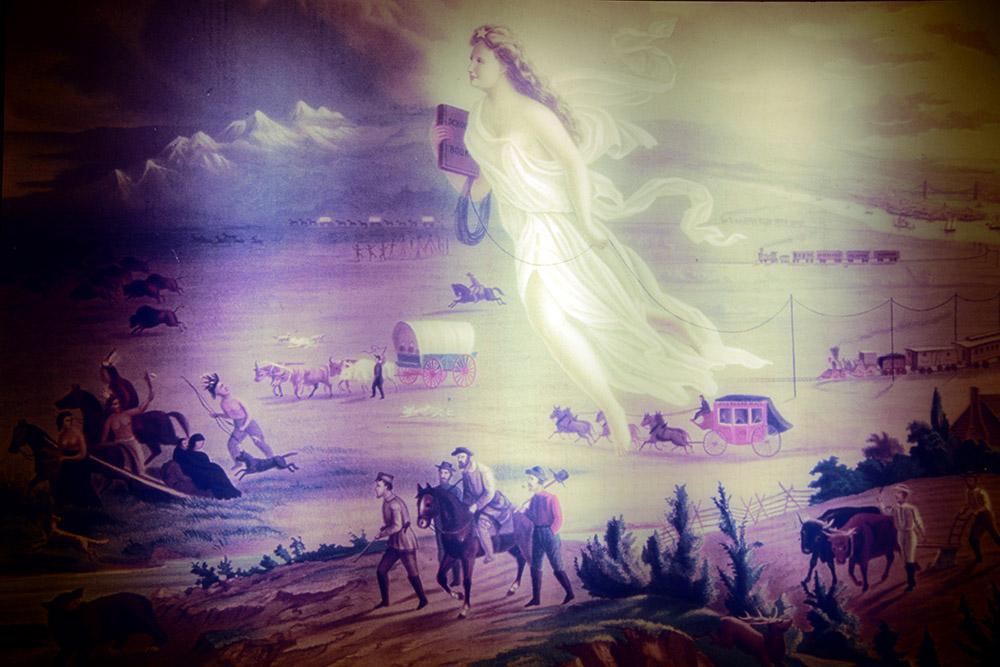
This painting especially caught my attention. It’s American Progress, painted by John Gast in 1872 and one of the best-known visual representations of Manifest Destiny. The woman floating westward represents Columbia, a personification of the United States. She carries a schoolbook while stringing telegraph wire across the landscape as settlers, railroads and other symbols of American expansion move west.
The painting is striking because it doesn’t just depict westward expansion—it presents the nineteenth-century ideology used to celebrate it. Native Americans and wildlife are shown being pushed toward the darkness in the west while settlement and technology advance behind Columbia. Knowing what that expansion meant for the Indigenous peoples already living there gives the image a very different meaning today.
Explore More of South Dakota
Black Elk Peak • Mt. Rushmore • Rapid City • Sica Hollow • Sioux Falls