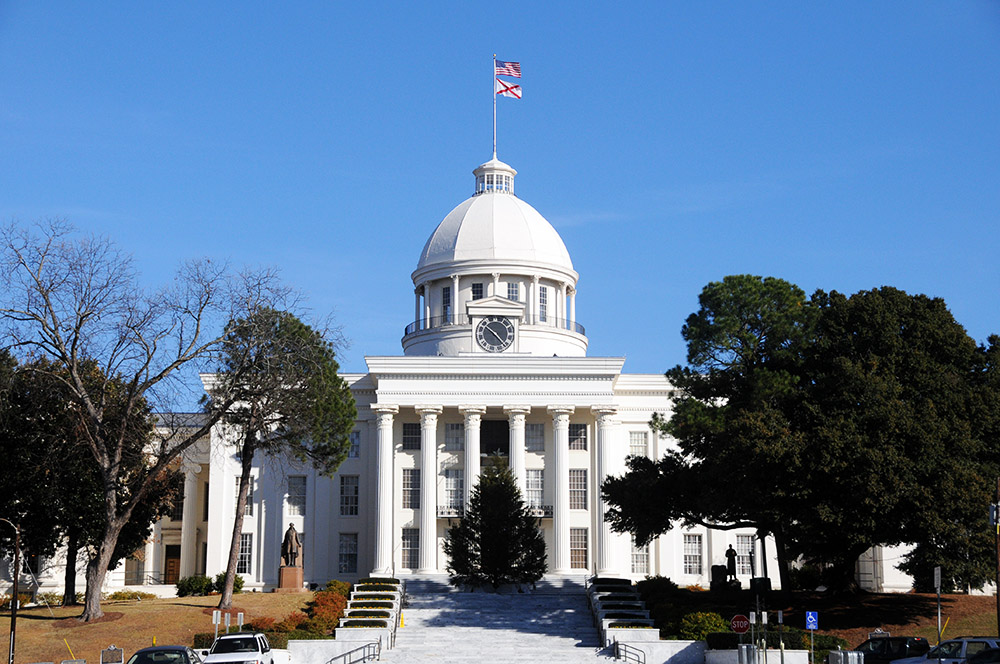
Alabama’s capital sits near the center of the state, and of all the cities I visited in Alabama, Montgomery was the one I found most interesting. It isn’t the state’s largest city, but there is an incredible amount of American history concentrated into a relatively small area.
The Alabama State Capitol is a good place to start. When the southern states seceded from the Union in 1861, Montgomery became the first capital of the Confederate States of America. Jefferson Davis was inaugurated as president of the Confederacy here before the Confederate government moved to Richmond, Virginia, only a few months later.
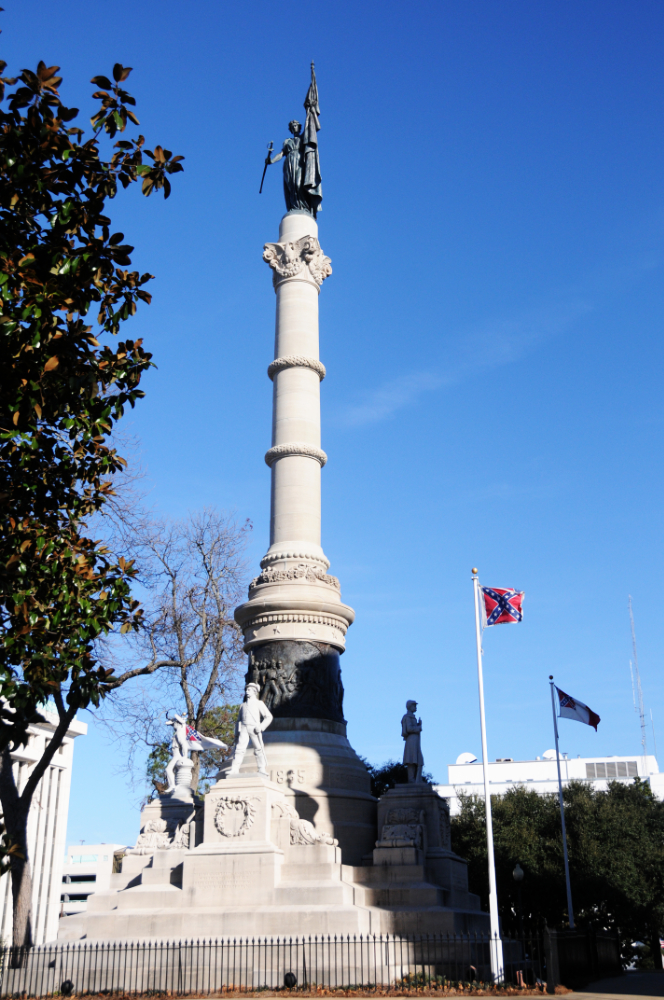
That history is only one part of what makes Montgomery so interesting. The city would later become one of the most important places in the Civil Rights Movement. Within a fairly small section of downtown, I could walk between places connected to the Confederacy, slavery, Rosa Parks, and Martin Luther King Jr. The different eras of American history almost sit on top of one another here.
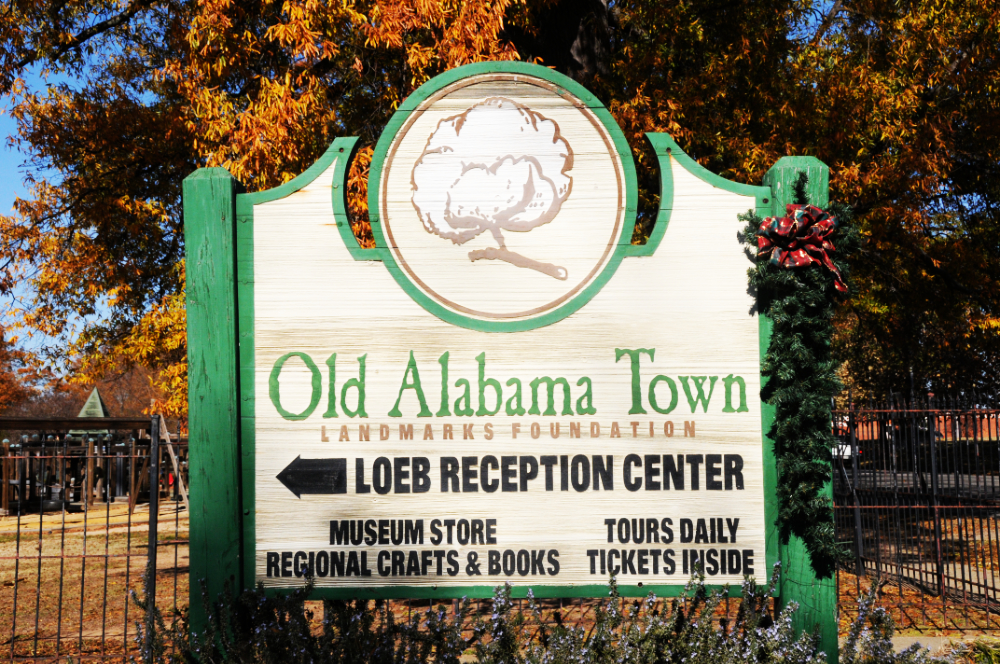
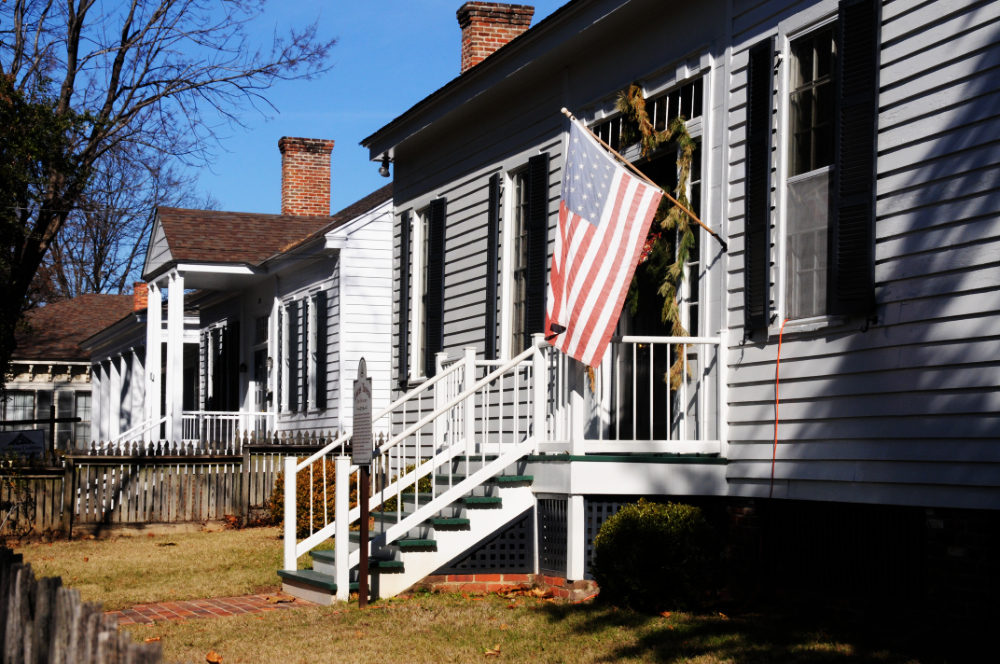
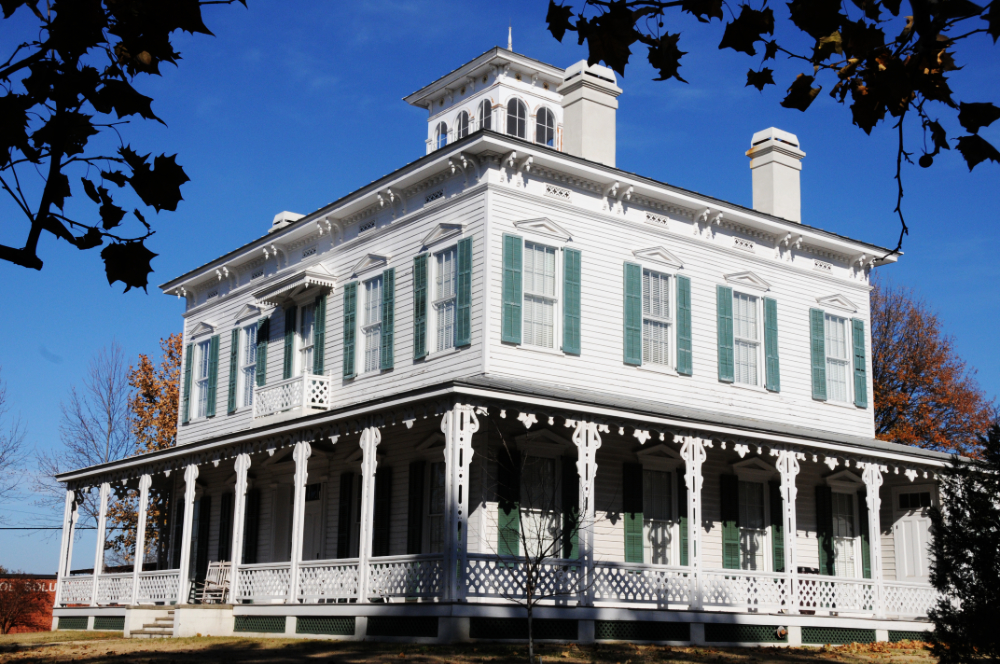
Another place I visited was Old Alabama Town, a collection of historic buildings spread across several blocks of Montgomery. The buildings preserve different parts of everyday life in Alabama during the 19th and early 20th centuries.
From the outside, I didn’t find every building especially impressive, but some of the interiors were another story. One of the larger homes was fully furnished in period style and was surprisingly elegant. Unfortunately, photography wasn’t allowed inside, so I don’t have any pictures to show what I thought was actually one of the best parts.
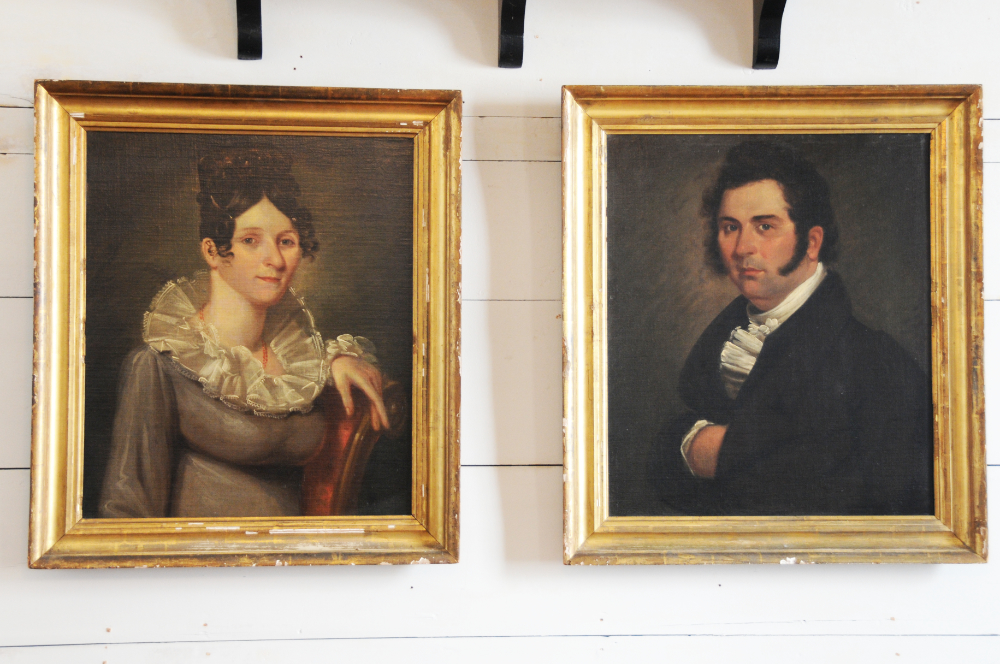
These portraits were connected to some of Montgomery’s early residents. Someone there told me they were expected to sell for around $25,000 each. Whether they actually brought that much I have no idea, but apparently I was looking at something considerably more valuable than I realized.
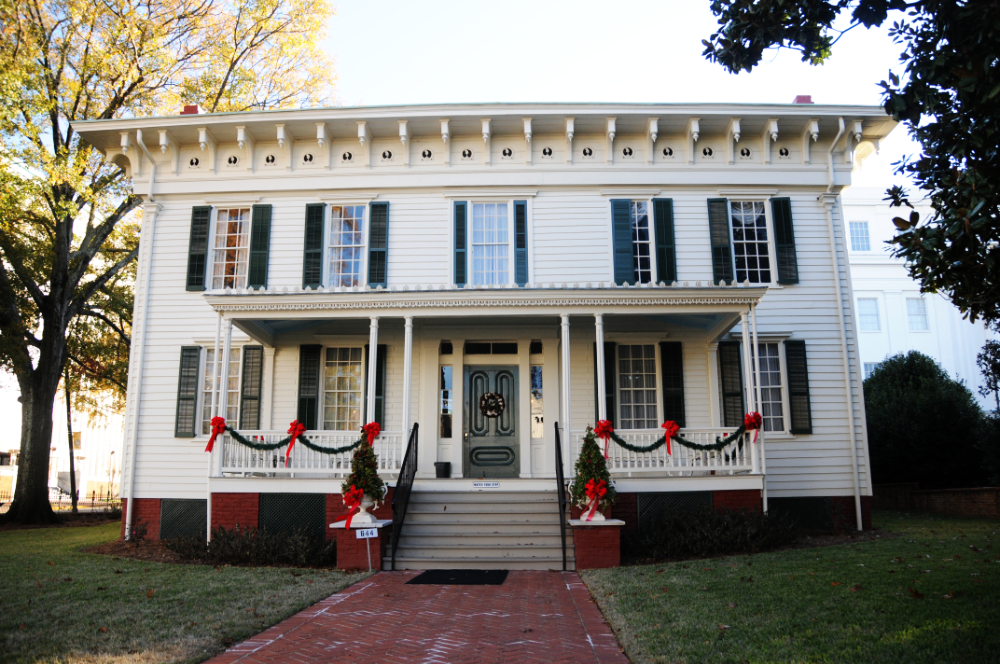
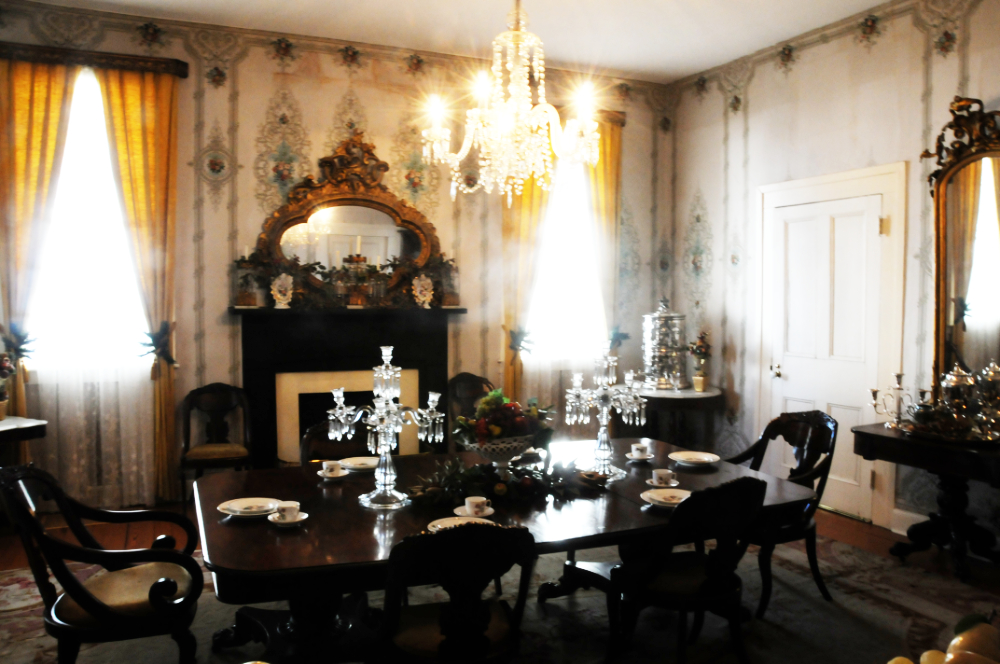
Near the Capitol is one of Montgomery’s most historically significant houses, the First White House of the Confederacy. Jefferson Davis and his family lived here while Montgomery served as the Confederate capital during the opening months of the Civil War.
Once the Confederate government moved to Richmond, this house stopped serving as the presidential residence. Today it has been preserved with period furniture and gives a look inside the type of wealthy Southern home associated with that era.
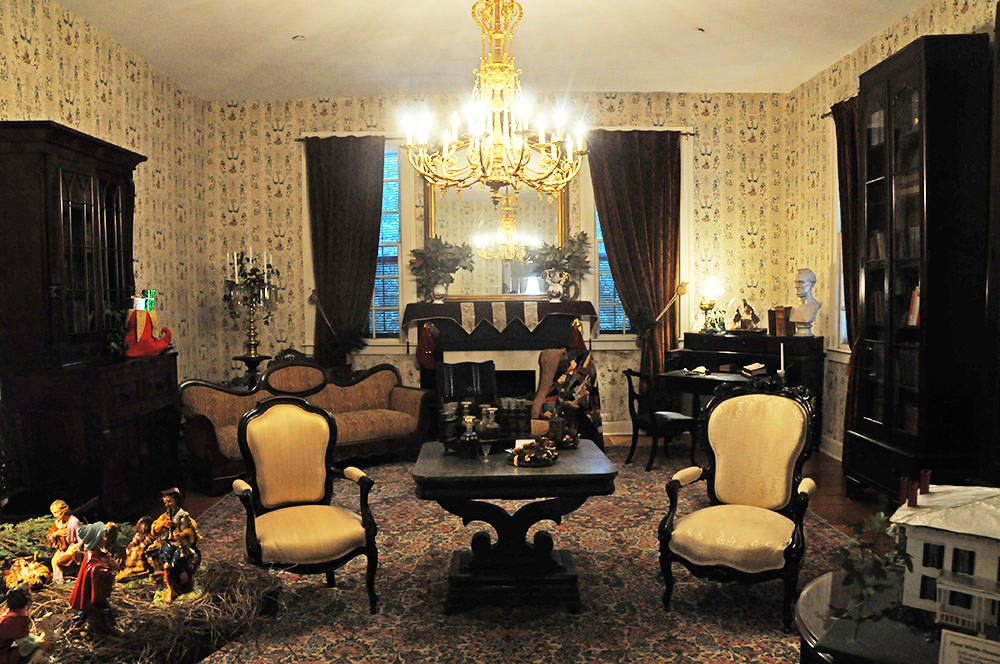
Honestly, I thought the house I had just seen in Old Alabama Town was decorated better. Still, the rooms here give a good idea of what the interior of an upper-class Southern home looked like during the 19th century.
Montgomery’s history becomes much darker only a short distance away. Before the Civil War, the city was an important center of the domestic slave trade. Enslaved people were brought into Montgomery and sold in markets near the center of town, with prices varying according to age, health, and skills.
Slavery legally ended after the Civil War, but equality obviously did not follow with it. Nearly a century later, Montgomery would become one of the places where African Americans challenged segregation directly, making the city central to another enormous chapter of American history.
In December 1955, Rosa Parks was arrested after refusing to surrender her seat to a white passenger on a segregated Montgomery bus. Her arrest helped trigger the Montgomery Bus Boycott, which lasted for more than a year and became one of the defining events of the Civil Rights Movement.
What struck me while walking around Montgomery was how physically close all of this history is. Places associated with slavery and the Confederacy stand in the same city where Rosa Parks and Martin Luther King Jr. would later challenge the system of segregation that followed.
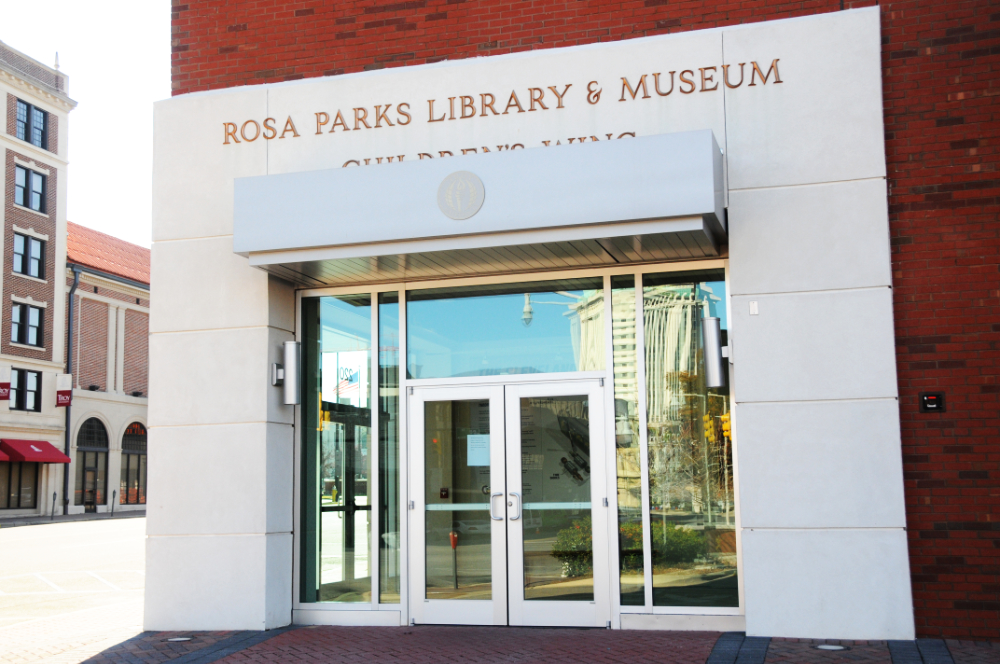
I wanted to visit the Rosa Parks Museum, but my timing was terrible. I was here during the Christmas weekend in 2010, and the museum was closed for several days. It was another place I could see from outside but would have to save for a future visit.
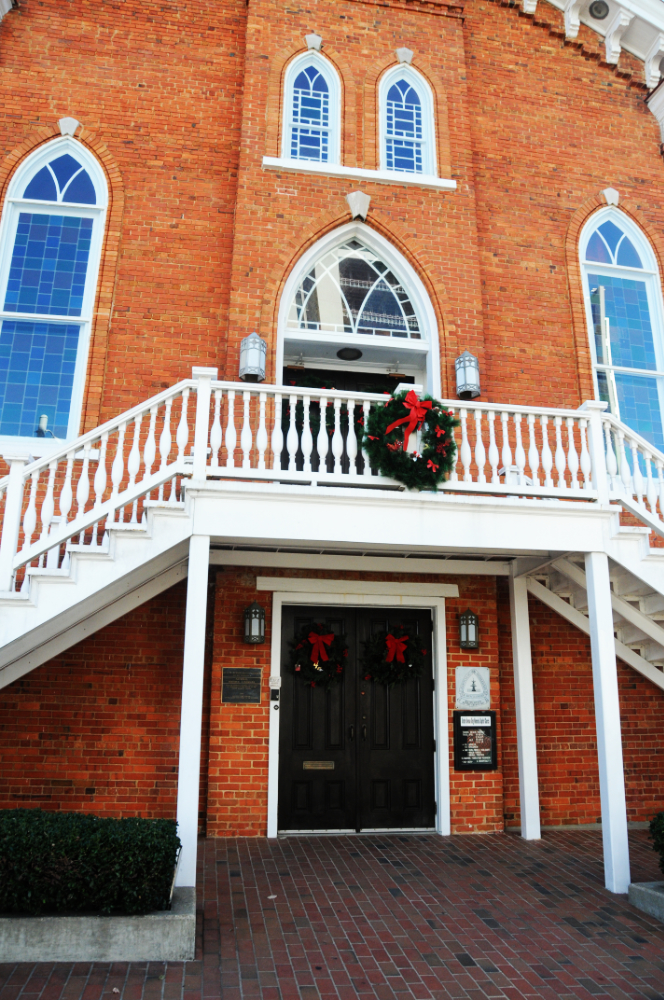
This is Dexter Avenue King Memorial Baptist Church, where Martin Luther King Jr. served as pastor during the 1950s. Meetings connected to the Montgomery Bus Boycott were organized here, and King emerged during the boycott as one of the country’s most important civil rights leaders.
The church sits only a short distance from the Alabama State Capitol. Standing here, you can really see why Montgomery interested me more than any other city I visited in the state. So many completely different chapters of American history unfolded within walking distance of each other.
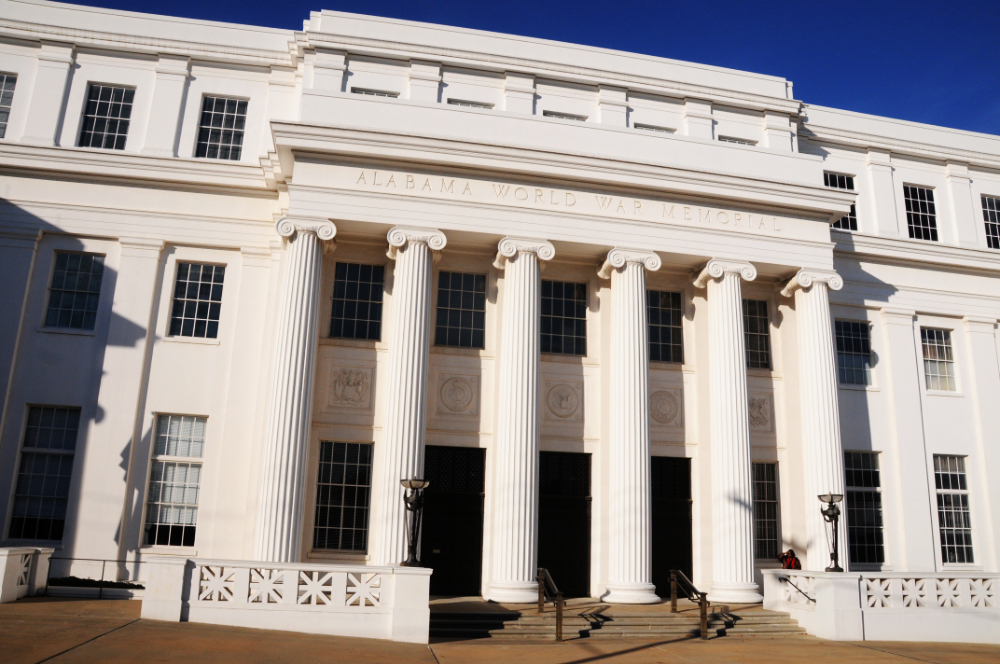
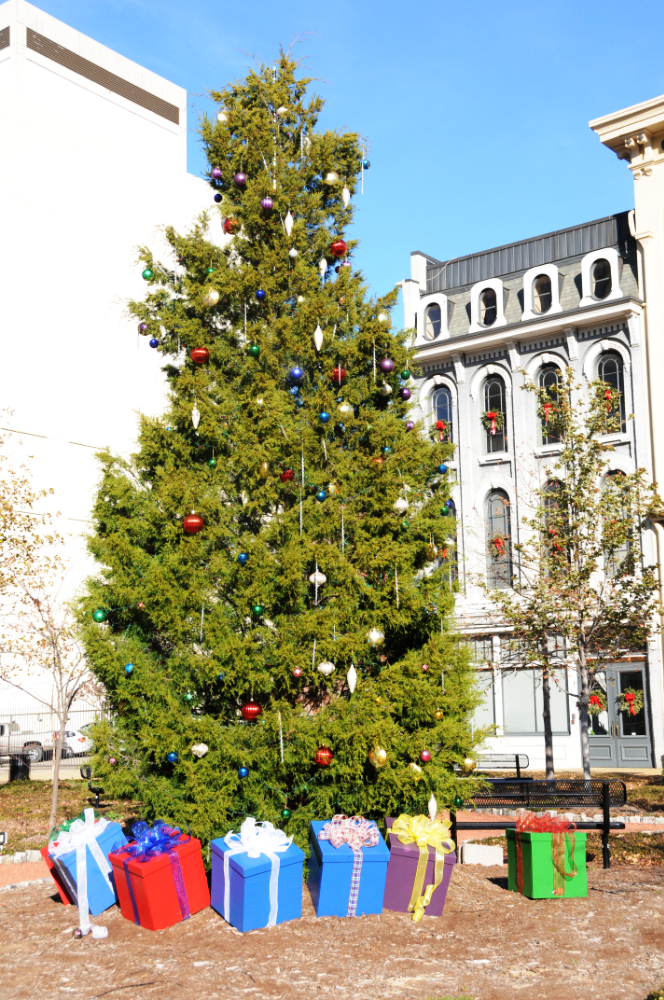
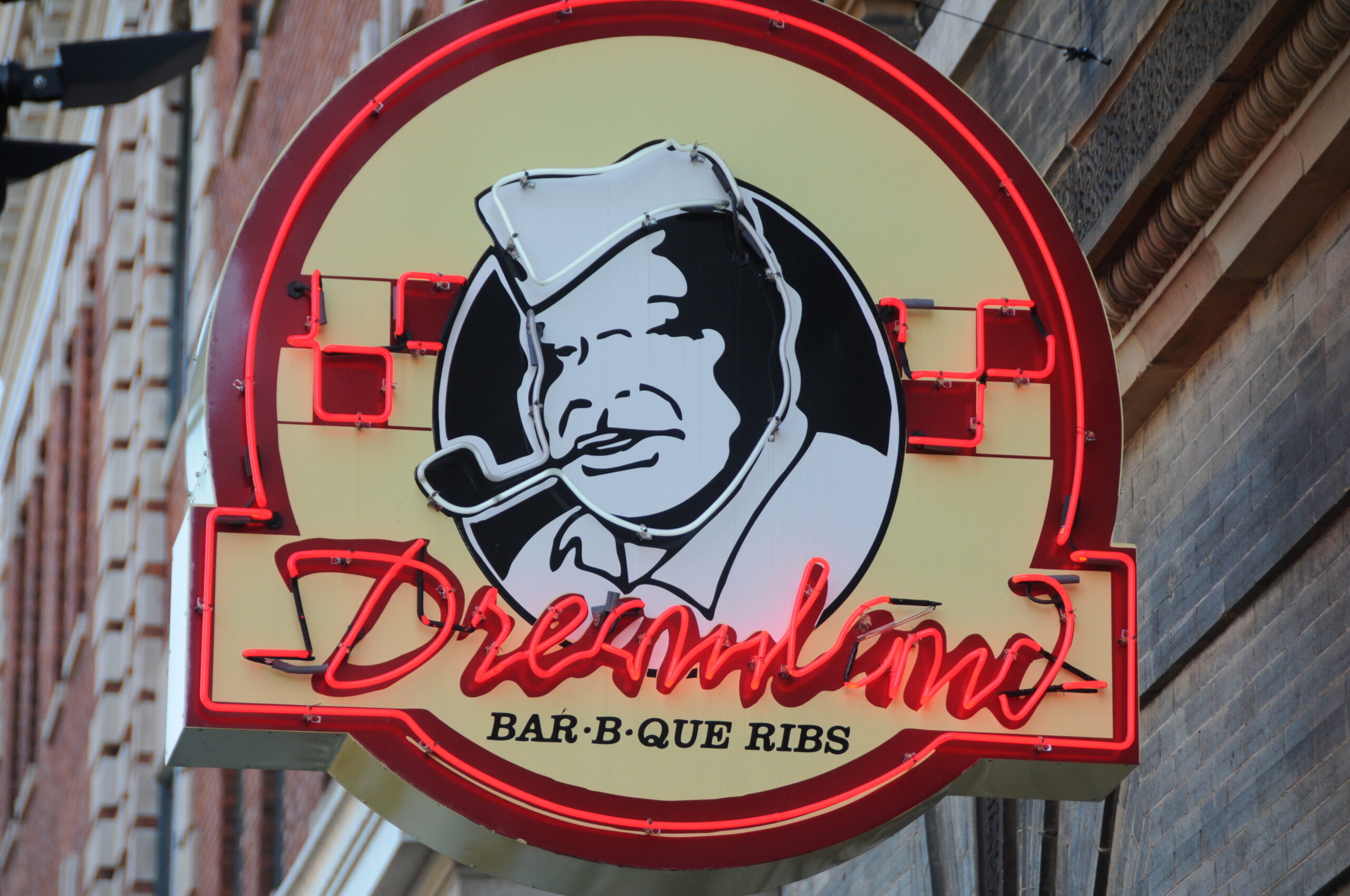
Not everything I photographed in Montgomery needed a history lesson. I also stopped at Dreamland for barbecue ribs near the river. After spending the day walking between monuments, museums, churches, and historic houses, Southern barbecue seemed appropriate.
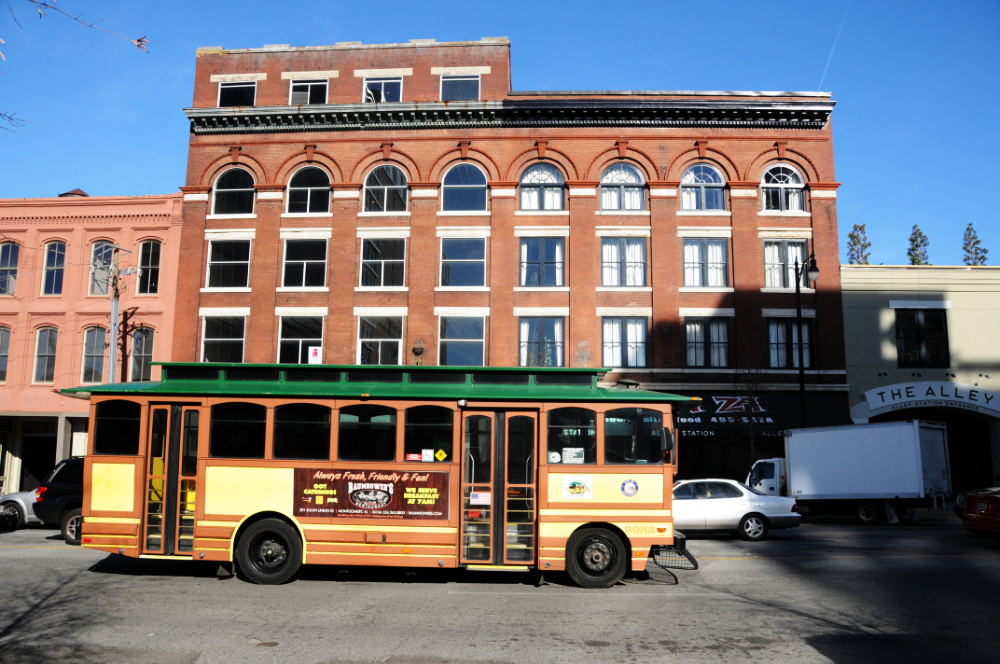
Before coming here, I don’t think I had ever seen many photos of Montgomery. If I had tried to picture the city, I probably would have imagined historic buildings and traditional Southern architecture, and that’s pretty much what I found.
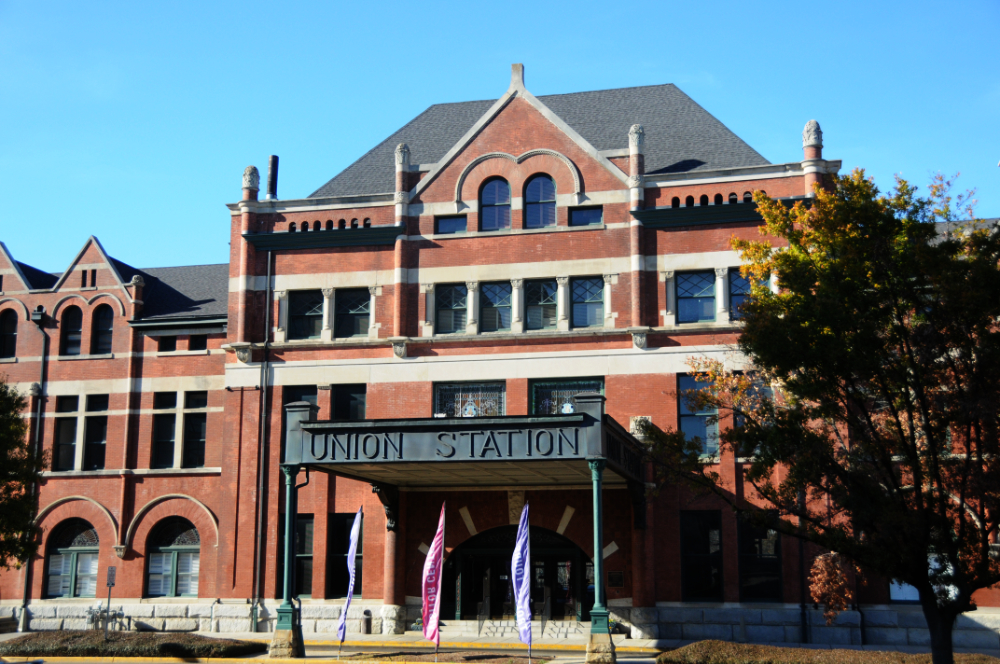
This is Montgomery’s historic Union Station, another reminder of the era when railroads were central to travel through the South. The old station sits near the Alabama River and is one of several historic structures preserved around downtown.
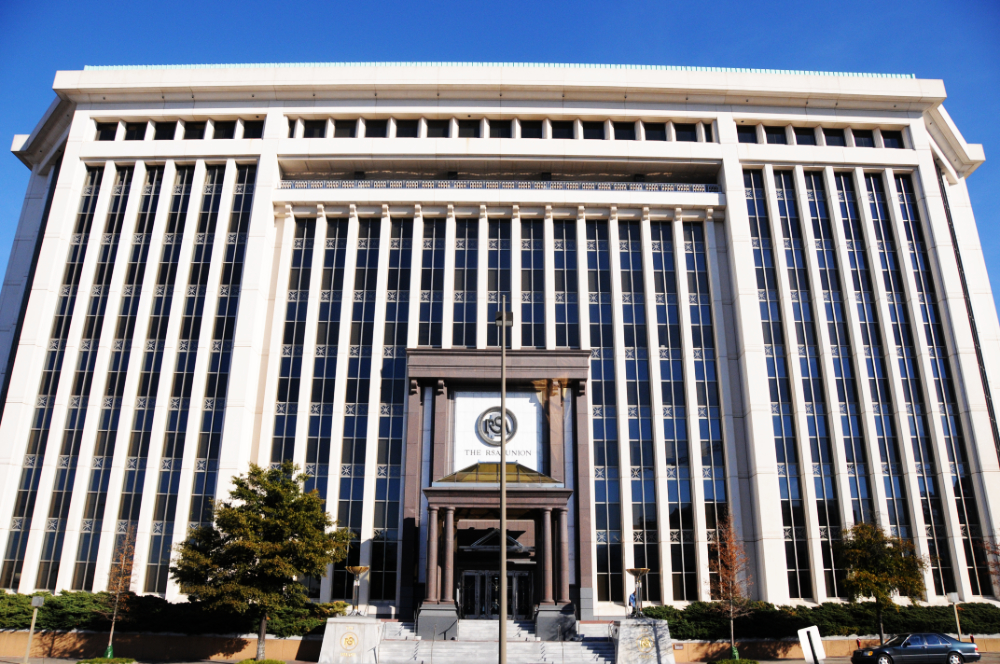
One modern feature I kept noticing throughout Alabama was the large RSA buildings. I didn’t know what they were at first, but RSA stands for the Retirement Systems of Alabama, which manages retirement benefits for public employees in the state. Once I noticed the name, I started seeing RSA properties all over Alabama.
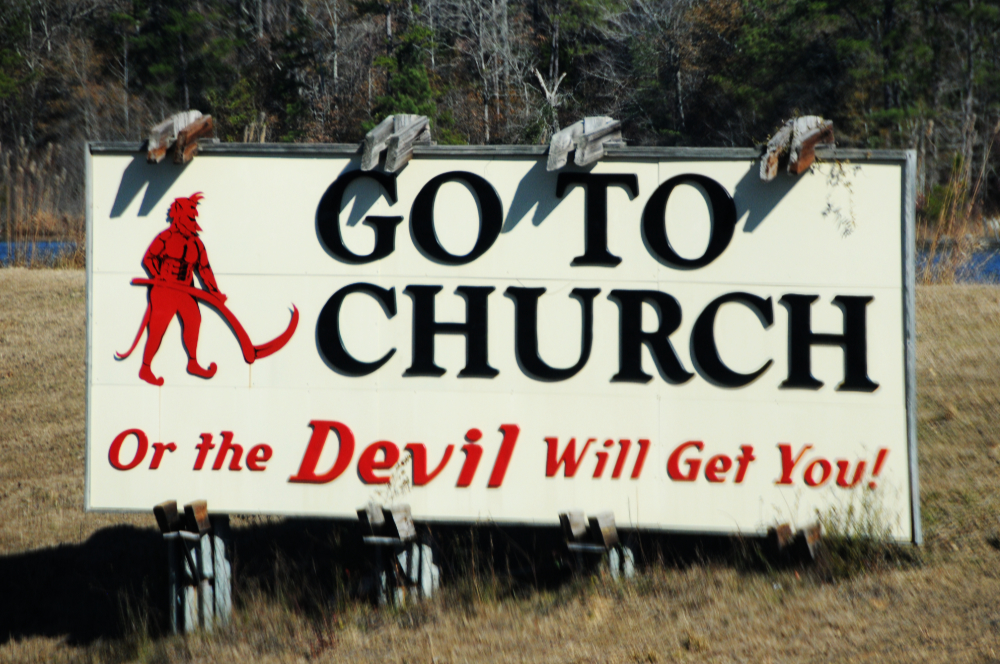
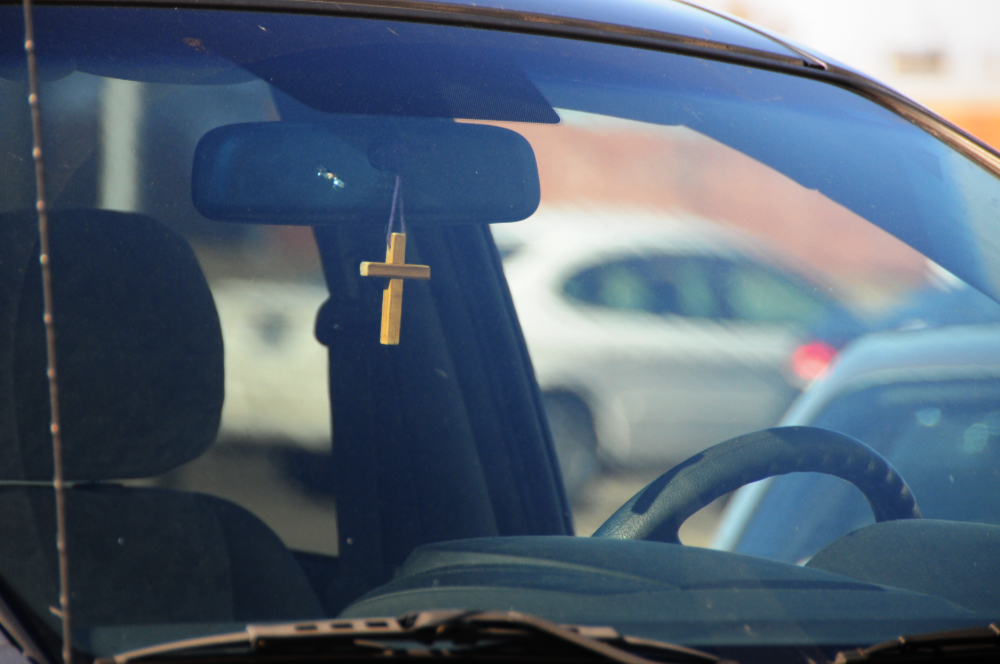
Then there were some things that simply reminded me I was traveling through the Deep South. Religious signs and crosses weren’t unusual at all. I’ve seen crosses hanging from rearview mirrors in plenty of other parts of the country, but they definitely seemed more common here.
The sign warning drivers to go to church or the devil will get them was a little harder to imagine seeing back home in the Northeast. Alabama sits firmly within what is commonly called the Bible Belt, and religion is much more visibly woven into everyday life here than in many other parts of the United States.
Montgomery wasn’t the biggest or most modern city I visited in Alabama, but it was easily the one that gave me the most to think about. In one day I could move from the first capital of the Confederacy to places associated with slavery, then continue to the exact streets and churches where the modern Civil Rights Movement began changing the country.
That’s what made Montgomery stand out to me. The city isn’t interesting because of one period of its history. It’s interesting because so many different periods are still visible at the same time.
Explore More of Alabama
Cheaha Mountain • Birmingham • Cathedral Caverns • Gulf Shores • Mobile • Montgomery